
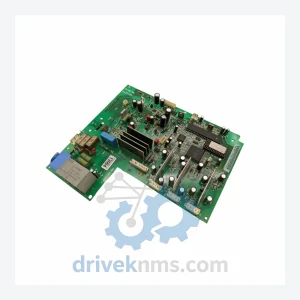
ABB SNAT-7120 Circuit Board – SNAZ7120J Series
ABB SNAT-7120 / SNAZ7120J Circuit Board: Sourcing Strategy & Asset Return Value in a Constrained Global Supply Chain The ABB…
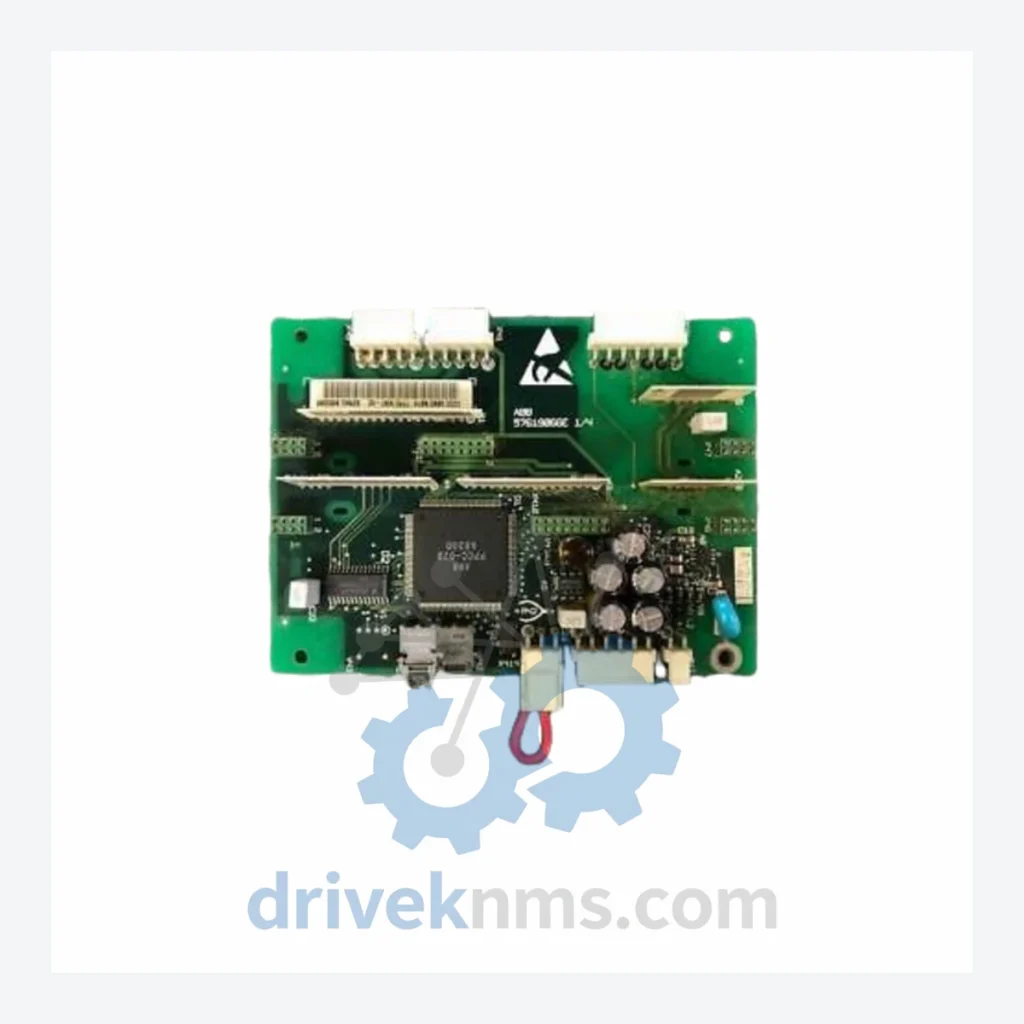
Model: NINT-52 57619066E
Product Overview
Commercial availability is handled through direct RFQ, model verification and export-oriented follow-up rather than public cart checkout.
Datasheet Preview
Use attached product manuals when available. If the manual is not public yet, request the full file directly through RFQ.
Commercial Path
Product pages on DRIVEKNMS are designed to verify model, brand and series first, then move the buyer into one clean quotation path.
Technical Dossier
The ABB NINT series comprises fieldbus adapter and interface boards designed for integration with ABB ACS series AC drives (ACS 600, ACS 800, ACS 1000, ACS 6000). These modules are deployed across global heavy industry verticals including petrochemical refineries, nuclear power auxiliary systems, offshore platforms, pulp and paper mills, and steel rolling mills. The NINT series serves as the communication backbone between ABB variable frequency drives and plant-level control networks, supporting protocols including PROFIBUS-DP, DeviceNet, Modbus RTU, CANopen, ControlNet, and Ethernet/IP. Installed base spans hundreds of thousands of drive units globally, making lifecycle support for this series a critical operational requirement for maintenance engineers and procurement teams.
The NINT series was introduced alongside the ACS 600 platform in the mid-1990s as a modular fieldbus adapter solution. Early variants such as the NINT-21 and NINT-31 provided basic PROFIBUS-DP and Modbus connectivity via the drive's DDCS (Distributed Drives Communication System) optical fiber interface. As industrial Ethernet adoption accelerated through the 2000s, ABB expanded the NINT range to include Ethernet-based adapters and dual-port variants for redundant network topologies.
With the transition to the ACS 800 and ACS 880 platforms, ABB introduced the RINT and RDNA series as functional successors, while the NINT series entered a maintenance-only lifecycle phase. Many NINT modules are now classified as obsolete or limited availability by ABB, with no active production. However, the installed base of ACS 600 and early ACS 800 drives remains substantial in long-lifecycle industries, creating sustained demand for NINT spare parts through specialist distributors. Compatibility between NINT generations is slot-specific and firmware-dependent; cross-substitution requires verification of drive firmware revision and option slot assignment.
The following SKUs represent verified members of the ABB NINT series interface board family, classified by function:
Fieldbus Adapter Modules — PROFIBUS-DP
Fieldbus Adapter Modules — DeviceNet / CANopen
Fieldbus Adapter Modules — Modbus / Serial
Fieldbus Adapter Modules — ControlNet / Ethernet
Interface and Auxiliary Boards
The majority of NINT series modules have been discontinued by ABB and are no longer available through standard distribution channels. DriveKNMS maintains a dedicated inventory of tested NINT spare parts sourced from decommissioned drive systems, authorized surplus channels, and controlled factory stock. Our procurement team actively tracks global availability of NINT-21, NINT-31, NINT-41, NINT-51, NINT-52 (57619066E), NINT-71, and NINT-81 variants.
For customers operating ACS 600 or ACS 800 drives in long-lifecycle facilities — including nuclear auxiliary systems, chemical processing, and water treatment — DriveKNMS provides lifecycle extension support including: verified replacement sourcing, cross-reference validation against drive firmware revision, and documentation of functional equivalents where direct replacements are unavailable. All obsolete NINT modules are supplied with test reports and, where applicable, refurbishment records.
NINT series boards incorporate multi-layer PCBs with DDCS optical transceivers, ASIC-based protocol controllers, and SMD passive arrays that require specialized test procedures. DriveKNMS applies the following verification protocol to all NINT units prior to dispatch:
© 2026 DriveKNMS. All trademarks belong to their respective owners. Specifications are for reference only and subject to change without notice. Verify all parameters against official documentation before installation.
Related Paths
ABB SNAT-7120 / SNAZ7120J Circuit Board: Sourcing Strategy & Asset Return Value in a Constrained Global Supply Chain The ABB…
ABB AC500 Series: Comprehensive Module Range and Technical Overview The ABB AC500 is a scalable modular PLC platform deployed across…
ABB SCDCS-CON-4 Control Board – Obsolete DCS Spare Part When a single control board fails in a legacy distributed control…