
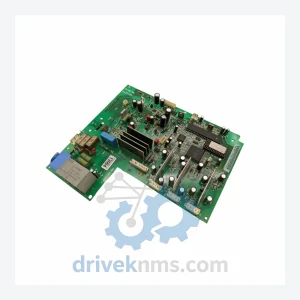
ABB SNAT-7120 Circuit Board – SNAZ7120J Series
ABB SNAT-7120 / SNAZ7120J Circuit Board: Sourcing Strategy & Asset Return Value in a Constrained Global Supply Chain The ABB…
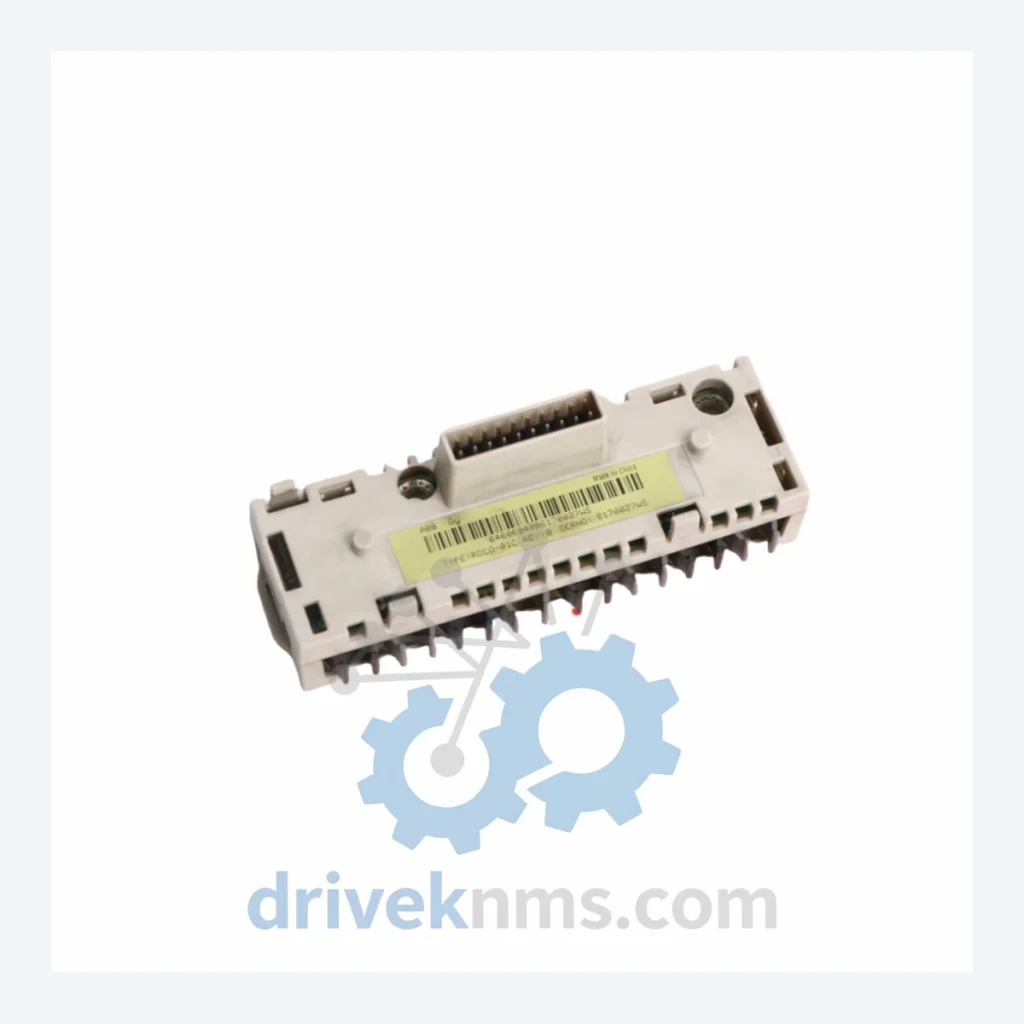
Model: RDCO-01C
Product Overview
Commercial availability is handled through direct RFQ, model verification and export-oriented follow-up rather than public cart checkout.
Datasheet Preview
Use attached product manuals when available. If the manual is not public yet, request the full file directly through RFQ.
Commercial Path
Product pages on DRIVEKNMS are designed to verify model, brand and series first, then move the buyer into one clean quotation path.
Technical Dossier
The ABB RDCO (Remote Drive Communication Option) series is a family of fieldbus communication adapter modules engineered for integration with ABB ACS800, ACS600, and ACS550 series AC drives. These modules are deployed across continuous-process heavy industries including petrochemical refineries, nuclear auxiliary systems, pulp and paper mills, offshore platforms, and large-scale water treatment facilities. The RDCO series enables deterministic, real-time communication between variable frequency drives and plant-level control systems via standardized industrial fieldbus protocols. Their compact DIN-rail-compatible form factor and direct slot-mount installation into the drive's option slot D have made them a de facto standard in ABB drive communication infrastructure globally. Installed base estimates place RDCO-series modules in tens of thousands of drive cabinets across Europe, Asia-Pacific, and the Americas, with many installations now exceeding 15 years of continuous operation.
The RDCO series was introduced alongside the ACS600 drive platform in the mid-1990s as ABB's response to the growing demand for fieldbus-integrated motor control in process automation. The original RDCO-01 provided DDCS (Distributed Drives Communication System) fiber-optic connectivity, allowing daisy-chain topology between multiple drives and a master controller such as the AC80 or AC800M. This architecture was deterministic and immune to electromagnetic interference — a critical requirement in high-voltage switchgear environments.
With the launch of the ACS800 platform, ABB refined the RDCO form factor into the RDCO-01C, which added improved optical transceiver components and extended the DDCS channel count. The RDCO-02C introduced PROFIBUS-DP V1 support, enabling integration with Siemens S7 and other PROFIBUS masters without a gateway device. The RDCO-03C added DeviceNet compatibility for North American automotive and packaging markets. The RDCO-04C addressed Modbus RTU/TCP requirements for legacy SCADA systems.
As the ACS880 platform emerged in the 2010s, ABB transitioned communication options to the FENA, FPBA, and FDNA adapter families. The RDCO series entered its maintenance phase: no new hardware revisions are planned, but ABB and authorized distributors continue to supply spare units to support the large installed base. Sites operating ACS600 or ACS800 drives have no direct migration path to ACS880 communication adapters without drive replacement, making RDCO spare parts a long-term procurement requirement.
DDCS / Fiber-Optic Communication Modules
PROFIBUS-DP Modules
DeviceNet Modules
Modbus / Serial Communication Modules
CANopen Modules
ControlNet Modules
Interbus Modules
LonWorks Modules
Ethernet / EtherNet/IP Modules
The RDCO series is classified by ABB as a mature product line. Several sub-variants — including the RDCO-01, RDCO-02, RDCO-03, RDCO-04, and RDCO-05 (non-C suffix) — have been discontinued from ABB's standard production schedule. Lead times through authorized distribution channels for C-suffix variants can extend to 16–26 weeks due to low-volume manufacturing runs.
RDCO modules incorporate a multi-layer PCB with high-density SMD components, optical transceiver assemblies (for DDCS variants), and a proprietary ABB option slot edge connector. Standard visual inspection is insufficient for functional verification of these modules. DriveKNMS applies the following test protocol to all RDCO units:
© 2026 DriveKNMS. All trademarks belong to their respective owners. Specifications are for reference only and subject to change without notice. Verify all parameters against official documentation before installation.
Related Paths
ABB SNAT-7120 / SNAZ7120J Circuit Board: Sourcing Strategy & Asset Return Value in a Constrained Global Supply Chain The ABB…
ABB AC500 Series: Comprehensive Module Range and Technical Overview The ABB AC500 is a scalable modular PLC platform deployed across…
ABB SCDCS-CON-4 Control Board – Obsolete DCS Spare Part When a single control board fails in a legacy distributed control…