
ABB SNAT-7120 Circuit Board – SNAZ7120J Series
ABB SNAT-7120 / SNAZ7120J Circuit Board: Sourcing Strategy & Asset Return Value in a Constrained Global Supply Chain The ABB…
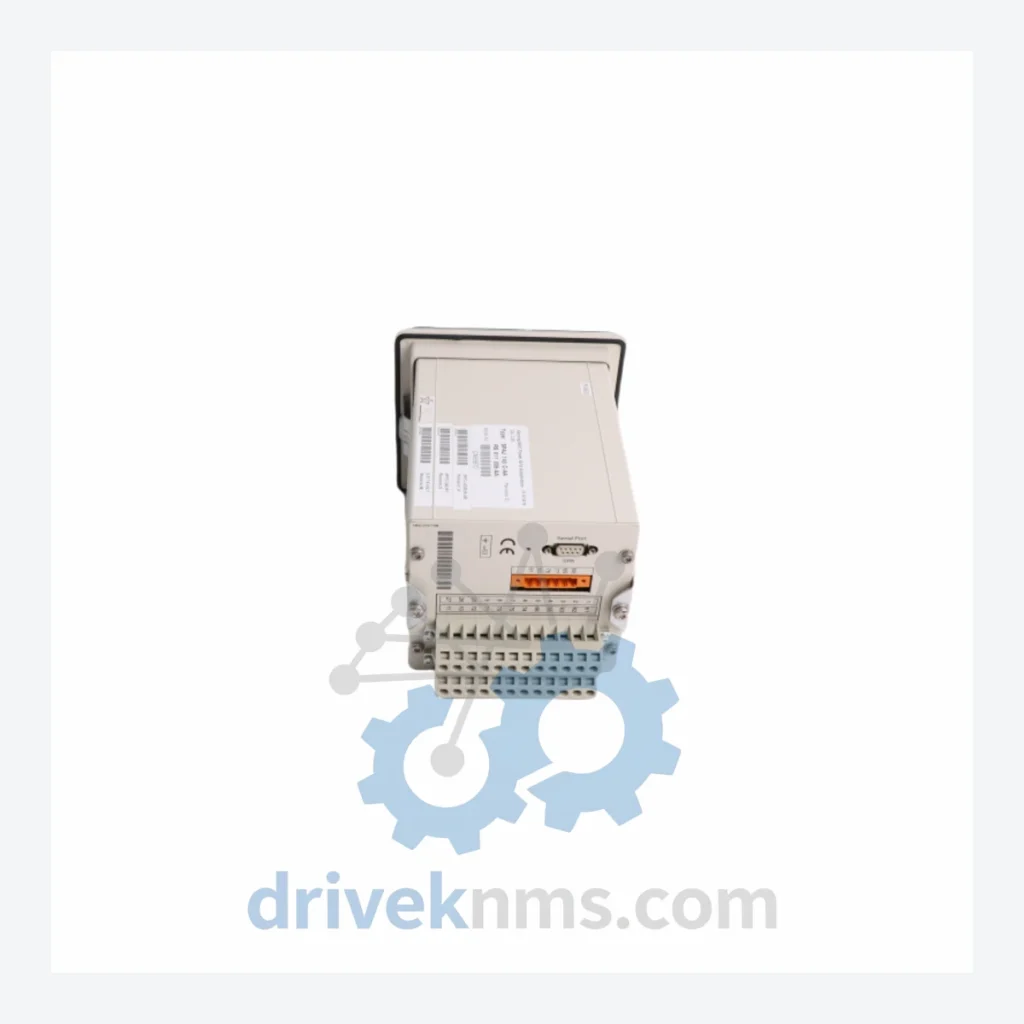
Model: SPAJ140C-AA
Product Overview
Commercial availability is handled through direct RFQ, model verification and export-oriented follow-up rather than public cart checkout.
Datasheet Preview
Use attached product manuals when available. If the manual is not public yet, request the full file directly through RFQ.
Commercial Path
Product pages on DRIVEKNMS are designed to verify model, brand and series first, then move the buyer into one clean quotation path.
Technical Dossier
The ABB SPAJ series represents one of the most widely deployed families of numerical protection relays in global heavy industry. Installed across chemical processing plants, nuclear power auxiliary systems, oil refineries, pulp and paper mills, and offshore platforms, the SPAJ range provides overcurrent and earth-fault protection for medium-voltage feeders, motors, and transformers. Its modular architecture, DIN-rail and flush-panel mounting compatibility, and standardized COMBIFLEX wiring system made it the default protection relay specification for utilities and industrial EPC contractors throughout the 1990s and 2000s. The series remains active in tens of thousands of switchgear panels globally, making long-term spare parts availability a critical operational requirement for asset owners.
The SPAJ series was introduced by ABB (then ABB Strömberg, Finland) in the late 1980s as part of the broader SPAM/SPAJ/SPCJ numerical relay platform. Early variants such as the SPAJ 140 C used analog input processing with digital logic, operating on a 24–240 V DC/AC auxiliary supply range. The architecture centered on a self-contained relay module with integrated measurement, protection logic, and output relay functions — eliminating the need for separate measuring units common in electromechanical designs.
Through the 1990s, ABB expanded the SPAJ range to cover directional overcurrent (SPAJ 142 C), combined overcurrent and earth-fault with auto-reclose (SPAJ 144 C), and motor protection variants. Communication capability was added via the SPA-bus (ABB's proprietary serial protocol) using the SPAC 531 C communication module, enabling integration with early SCADA systems. By the mid-2000s, the SPAJ platform was progressively superseded by the REF 541/542/543/545 series (IEC 61850-capable), and later by the REF630 series under the Relion® platform. However, the installed base of SPAJ relays in legacy switchgear panels means that SPAJ140C-AA and related variants remain in active service and require ongoing spare parts support through at least 2035 under typical 30-year asset lifecycle assumptions.
Compatibility note: SPAJ relays use the COMBIFLEX plug-in system. Replacement units must match the original case size (standard or high) and terminal block configuration. Firmware versions affect setting ranges — always verify relay version against the original protection coordination study before replacement.
Overcurrent & Earth-Fault Protection Relays
Motor Protection Relays
Communication & Auxiliary Modules
ABB formally discontinued active production of the SPAJ 140 C and most SPAJ-series variants in the early 2010s, transitioning customers to the REF630 Relion® platform. However, the discontinuation of new production does not eliminate the installed base requirement. Switchgear panels built around SPAJ relays cannot be upgraded to REF630 without full panel redesign, re-wiring, and re-commissioning — a capital expenditure that most asset owners defer for 10–20 years post-discontinuation.
DriveKNMS maintains a dedicated inventory of SPAJ series relays sourced from decommissioned switchgear, authorized surplus channels, and factory-sealed old stock. All units are cataloged by part number, hardware revision, and auxiliary voltage variant. For the SPAJ140C-AA specifically, DriveKNMS holds stock across multiple hardware revisions and can cross-reference against the customer's existing panel documentation to confirm compatibility before shipment.
SPAJ series relays present specific testing challenges due to their COMBIFLEX plug-in architecture and SPA-bus communication interface. DriveKNMS applies the following test protocol to all SPAJ units prior to dispatch:
© 2026 DriveKNMS. All trademarks belong to their respective owners. Specifications are for reference only and subject to change without notice. Verify all parameters against official documentation before installation.
Related Paths
ABB SNAT-7120 / SNAZ7120J Circuit Board: Sourcing Strategy & Asset Return Value in a Constrained Global Supply Chain The ABB…
ABB AC500 Series: Comprehensive Module Range and Technical Overview The ABB AC500 is a scalable modular PLC platform deployed across…
ABB SCDCS-CON-4 Control Board – Obsolete DCS Spare Part When a single control board fails in a legacy distributed control…