
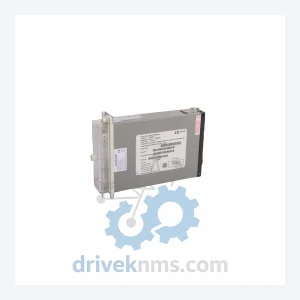
ALSTOM MVAJ105RA0802A Protection Relay – MiCOM Series
ALSTOM MVAJ105RA0802A Protection Relay: Supply Continuity Strategy for a Discontinued Critical Component The ALSTOM MVAJ105RA0802A is a numerical protection relay…
Model: ESVI1
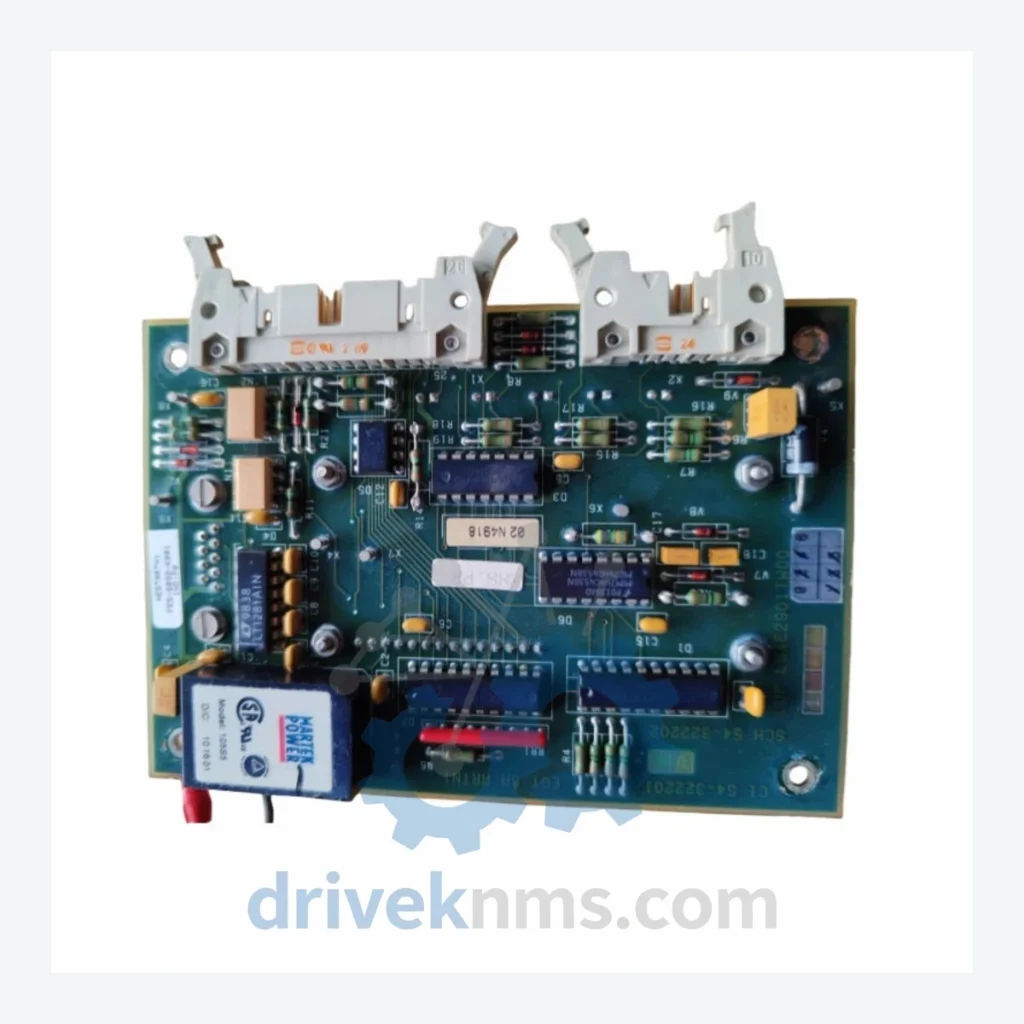
Product Overview
Commercial availability is handled through direct RFQ, model verification and export-oriented follow-up rather than public cart checkout.
Datasheet Preview
Use attached product manuals when available. If the manual is not public yet, request the full file directly through RFQ.
Commercial Path
Product pages on DRIVEKNMS are designed to verify model, brand and series first, then move the buyer into one clean quotation path.
Technical Dossier
The Alstom ESV series is a core component family within the ALSPA P320 / ALSPA 5 distributed control system (DCS) platform. This module range is deployed across heavy industrial sectors including thermal and nuclear power generation, petrochemical refining, and large-scale water treatment infrastructure. Installed across hundreds of facilities in Europe, Asia, and the Middle East, ESV-series I/O and control modules form the backbone of process automation architectures engineered for 20–30 year operational lifespans. Many of these systems remain in active service well beyond their original design horizon, creating sustained demand for verified spare modules.
The ESV module family was developed as part of Alstom's ALSPA control system lineage, tracing its origins to the GEC Alsthom era of the late 1980s. The architecture is built around a proprietary parallel backplane bus that supports hot-swap module replacement within defined rack configurations. Early ESV variants were designed for compatibility with ALSPA P320 controllers, operating under a deterministic scan-cycle model suited to power plant safety-critical loops.
As Alstom's power and grid divisions were progressively restructured — culminating in the acquisition of Alstom's energy business by General Electric in 2015 — active development of the ESV platform ceased. Firmware updates and OEM support were discontinued, leaving installed-base operators dependent on the secondary market for hardware continuity. The ESV series is now firmly in its end-of-life (EOL) phase: no new production runs are scheduled, and OEM replacement stock is exhausted. Plants operating ALSPA systems face a binary choice: source verified used or refurbished ESV modules, or undertake a full DCS migration at capital costs typically ranging from USD 2 million to USD 15 million per unit.
The ESV backplane uses a parallel I/O bus with module addressing via hardware DIP switches. A verified replacement module can be installed without reprogramming the host controller — a critical operational advantage when engineering resources and planned outage windows are constrained.
The following SKUs represent confirmed members of the Alstom ESV / ALSPA module family, classified by functional role within a rack assembly.
Analog Input (AI) Modules
Analog Output (AO) Modules
Digital Input (DI) Modules
Digital Output (DO) Modules
CPU / Controller Modules
Communication Adapter Modules
Power Supply Modules
DriveKNMS maintains a dedicated inventory program for end-of-life Alstom ALSPA components. For ESV-series modules, this involves active procurement from decommissioned plant assets, verified refurbishment, and long-term bonded storage for clients requiring multi-year supply assurance.
For plant managers operating ALSPA systems, a single failed ESV module — particularly a CPU or communication card — can halt an entire process train. At facilities where a planned DCS migration is 3–7 years away, sourcing a replacement module at a fraction of the migration cost is the rational asset protection decision. DriveKNMS provides that supply continuity.
For clients managing large installed bases, we offer consignment stock agreements: a pre-agreed quantity of critical ESV modules held in our warehouse, reserved exclusively for your facility, with defined lead times and pricing locked at contract date.
ESV modules present specific inspection challenges due to their age profile and the nature of their original operating environments — high ambient temperature, vibration, and continuous duty cycles. Our QC process addresses these factors directly:
© 2026 DriveKNMS. All trademarks belong to their respective owners. Specifications are for reference only and subject to change without notice. Verify all parameters against official documentation before installation.
Related Paths
ALSTOM MVAJ105RA0802A Protection Relay: Supply Continuity Strategy for a Discontinued Critical Component The ALSTOM MVAJ105RA0802A is a numerical protection relay…
ALSTOM 7932-4210 Interface Board – Obsolete ALSTOM Spare Part When the ALSTOM 7932-4210 Interface Board fails, the consequences extend far…
ALSTOM 8143 Series: Comprehensive Module Range and Technical Overview The ALSTOM 8143 Series represents a core family of distributed control…