
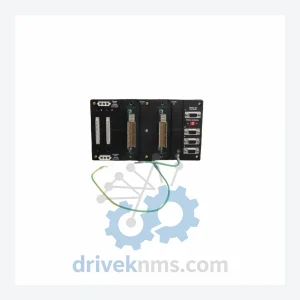
Foxboro RH924YF Mounted Modular Controller – Obsolete I/A Series Spare Part
Foxboro RH924YF Mounted Modular Controller – Obsolete I/A Series Spare Part When a Foxboro RH924YF fails on the plant floor,…
Model: FBM6 P0400YG
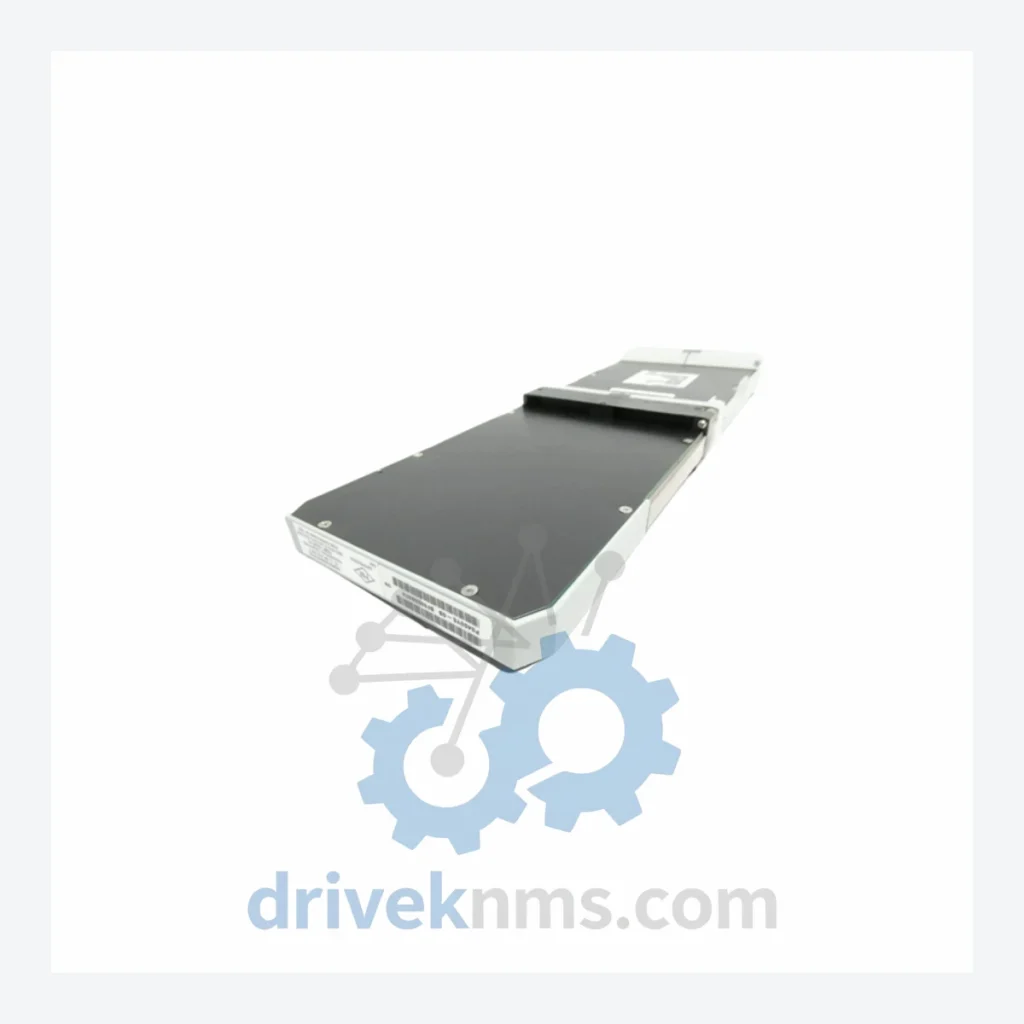
Product Overview
Commercial availability is handled through direct RFQ, model verification and export-oriented follow-up rather than public cart checkout.
Datasheet Preview
Use attached product manuals when available. If the manual is not public yet, request the full file directly through RFQ.
Commercial Path
Product pages on DRIVEKNMS are designed to verify model, brand and series first, then move the buyer into one clean quotation path.
Technical Dossier
The Foxboro FBM (Fieldbus Module) series is a core component of the Invensys/Schneider Electric I/A Series Distributed Control System (DCS), one of the most widely deployed process automation platforms in global heavy industry. FBM modules are installed across petrochemical complexes, nuclear power stations, crude oil refineries, LNG terminals, and pharmaceutical manufacturing facilities. The series provides the physical interface layer between field instrumentation and the I/A Series control network, handling analog input/output, digital input/output, pulse counting, and serial communications. Installed base spans decades of continuous operation, making long-term spare parts availability a critical operational requirement for plant maintenance teams worldwide.
The FBM series was introduced alongside the Foxboro I/A Series DCS platform in the mid-1980s, designed around a proprietary Nodebus and Fieldbus communication architecture. Early-generation modules such as the FBM01 through FBM10 established the baseline I/O topology, using a DIN-rail-mounted baseplate system with hot-swap capability on select models. These modules communicated via the 70-Series Fieldbus at 2 Mbps, interfacing with the FCP (Fieldbus Communications Processor) and CP60 controllers.
Through the 1990s and 2000s, the series expanded to include HART-enabled analog modules (FBM201–FBM232 range), intrinsically safe variants, and high-density I/O modules. The introduction of the FCP270 and CP270 controllers brought compatibility with newer FBM generations while maintaining backward compatibility with legacy baseplates. As of 2020, Schneider Electric (successor to Invensys/Foxboro) has transitioned active development to the EcoStruxure Foxboro DCS platform, placing the majority of the classic FBM series in a sustained-support or end-of-life lifecycle phase. This makes verified surplus and refurbished FBM inventory the primary procurement channel for operating plants.
The following represents a cross-section of the FBM series organized by functional category. All models listed are genuine Foxboro part numbers documented in I/A Series hardware reference literature.
Analog Input Modules
Analog Output Modules
Digital Input Modules
Digital Output Modules
Communications & Specialty Modules
DriveKNMS maintains a dedicated inventory of Foxboro FBM series modules, including models that have been discontinued by Schneider Electric. For plants operating I/A Series DCS installations commissioned between 1988 and 2010, the FBM series represents a non-replaceable hardware layer — full platform migration is capital-intensive and operationally disruptive. DriveKNMS provides lifecycle extension support through three channels: verified surplus stock sourced from decommissioned plant assets, factory-refurbished units with full functional restoration, and exchange programs that allow failed modules to be returned against replacement units. All FBM modules are stored in ESD-safe, climate-controlled facilities. Traceability documentation is available on request for regulated industries including nuclear and pharmaceutical.
FBM modules incorporate proprietary backplane bus interfaces and multi-layer PCB assemblies that require specialized test procedures beyond standard bench testing. DriveKNMS applies a structured validation protocol to all FBM units: initial visual inspection for capacitor degradation, connector wear, and conformal coating integrity; functional power-on test using I/A Series-compatible test fixtures; channel-level signal verification for all analog I/O points using calibrated signal sources and measurement equipment; HART communication handshake verification for HART-enabled models; and Fieldbus communication integrity test using protocol analyzers. Digital I/O modules are tested under load conditions to verify relay contact ratings and optocoupler response times. Each unit is issued a test report prior to shipment.
Related Paths
Foxboro RH924YF Mounted Modular Controller – Obsolete I/A Series Spare Part When a Foxboro RH924YF fails on the plant floor,…
Foxboro FCM10E P0914YM Communication Interface Module – Obsolete I/A Series Spare Part When a Foxboro FCM10E P0914YM fails in an…
Foxboro P0400YE FBM4 Analog I/O Module: Supply Continuity Strategy for Mission-Critical DCS Infrastructure The Foxboro P0400YE FBM4 is a legacy…