
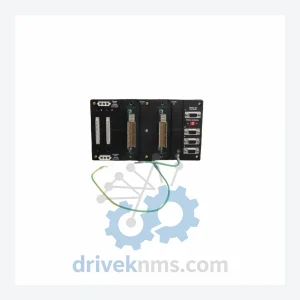
Foxboro RH924YF Mounted Modular Controller – Obsolete I/A Series Spare Part
Foxboro RH924YF Mounted Modular Controller – Obsolete I/A Series Spare Part When a Foxboro RH924YF fails on the plant floor,…
Model: SPEC-200
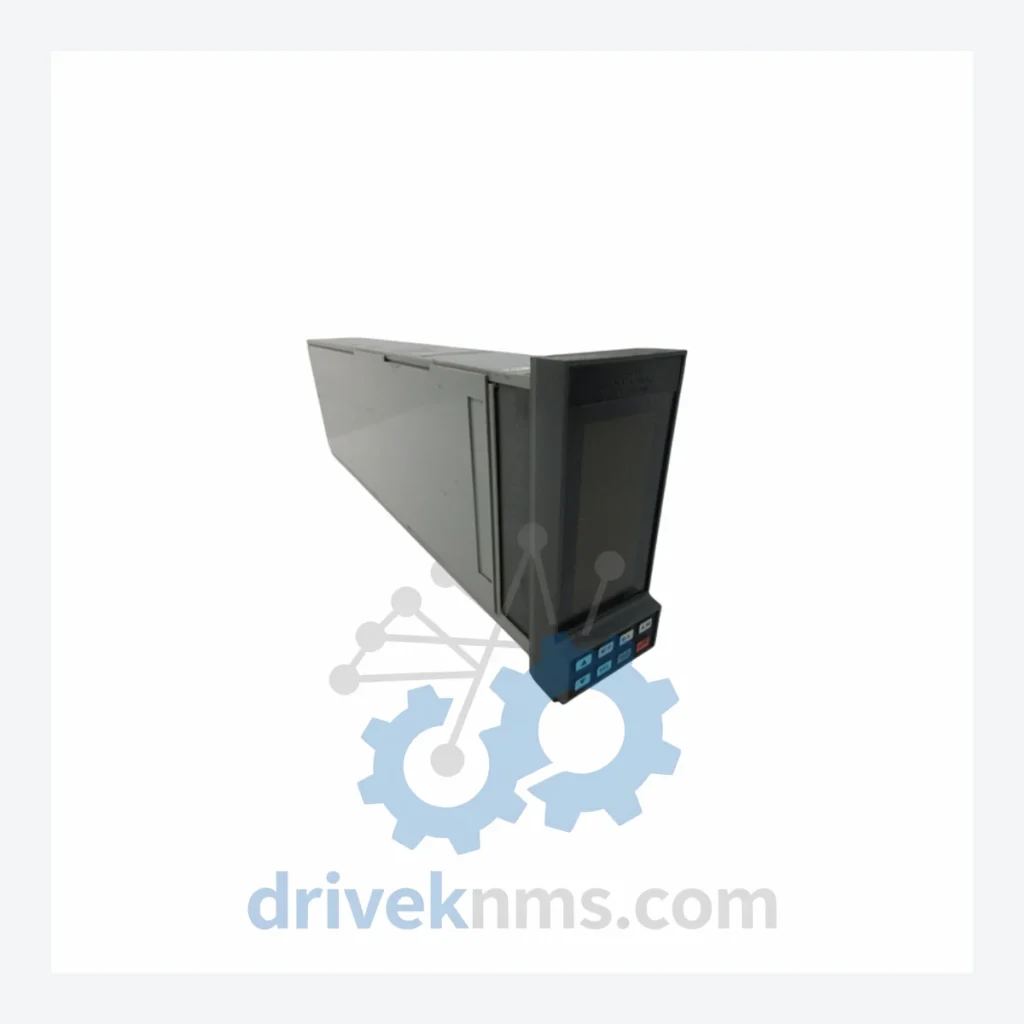
Product Overview
Commercial availability is handled through direct RFQ, model verification and export-oriented follow-up rather than public cart checkout.
Datasheet Preview
Use attached product manuals when available. If the manual is not public yet, request the full file directly through RFQ.
Commercial Path
Product pages on DRIVEKNMS are designed to verify model, brand and series first, then move the buyer into one clean quotation path.
Technical Dossier
The Foxboro SPEC-200 is a panel-mounted analog control system developed by Foxboro (now part of Schneider Electric's Foxboro brand). It has been deployed extensively across global heavy industry sectors including petroleum refining, chemical processing, pulp and paper manufacturing, and nuclear power generation. The SPEC-200 platform operates on a standardized 200 mm rack architecture with a passive backplane, enabling modular configuration of controllers, indicators, recorders, and I/O signal conditioning modules. Its installed base spans facilities across North America, Europe, the Middle East, and Asia-Pacific, many of which continue to operate SPEC-200 infrastructure as part of long-term capital asset strategies. The system's analog signal architecture (4–20 mA, pneumatic interface options) and its compatibility with legacy field instrumentation make it a persistent fixture in brownfield plant environments where full DCS migration is not economically viable.
The SPEC-200 system was introduced in the 1970s as a successor to Foxboro's earlier pneumatic and early electronic control platforms. Its architecture is built around the 200 mm (8-inch) card format inserted into standardized racks, with a passive backplane that routes power and signal buses. Early generations focused on single-loop PID control with manual/auto transfer stations. Through the 1980s, Foxboro expanded the catalog to include cascade controllers, ratio controllers, and feedforward summing modules, enabling more complex process strategies without requiring a digital host system.
In the 1990s, Foxboro introduced interface modules to allow SPEC-200 racks to communicate with the I/A Series distributed control system, extending the operational life of existing SPEC-200 hardware by integrating it into digital supervisory architectures. This hybrid configuration—SPEC-200 analog execution layer supervised by I/A Series—became a common migration path for refineries and chemical plants seeking incremental modernization. By the 2000s, Foxboro formally classified the SPEC-200 as a mature product line, with no new module types introduced. Spare parts support transitioned progressively to third-party MRO suppliers. As of 2026, the SPEC-200 is in the end-of-life phase: Foxboro/Schneider Electric no longer manufactures new SPEC-200 modules, and OEM spare parts availability is severely constrained. Plants operating SPEC-200 systems are advised to maintain buffer stock of critical modules and engage qualified third-party suppliers for refurbished and tested replacements.
The following SKUs represent verified, commonly deployed modules within the Foxboro SPEC-200 platform. Modules are classified by functional category.
Controllers & Indicators
I/O Signal Conditioning Modules
Power Supply Modules
Communication & Interface Modules
SPEC-200 modules present specific quality control challenges due to their analog circuit architecture, passive backplane interface, and age-related component degradation. DriveKNMS applies a structured test protocol to all SPEC-200 modules prior to shipment. Each module undergoes visual inspection for PCB damage, corrosion, and component substitution. Functional testing is performed using a dedicated SPEC-200 rack test bench configured to replicate standard backplane signal conditions. PID controller modules are tested across the full output range (4–20 mA) with simulated process variable inputs, verifying proportional, integral, and derivative response parameters. Signal conditioning modules are tested against calibrated reference signals to verify input linearization accuracy and output scaling. Power supply modules are load-tested at rated current with ripple and regulation measurements recorded. All test results are documented and accompany the shipment. Modules that do not meet original Foxboro performance specifications are rejected from inventory and not offered for sale.
© 2026 DriveKNMS. All trademarks belong to their respective owners. Specifications are for reference only and subject to change without notice. Verify all parameters against official documentation before installation.
Related Paths
Foxboro RH924YF Mounted Modular Controller – Obsolete I/A Series Spare Part When a Foxboro RH924YF fails on the plant floor,…
Foxboro FCM10E P0914YM Communication Interface Module – Obsolete I/A Series Spare Part When a Foxboro FCM10E P0914YM fails in an…

Foxboro FBM Series: Comprehensive Module Range and Technical Overview The Foxboro FBM (Fieldbus Module) series is a core component of…