
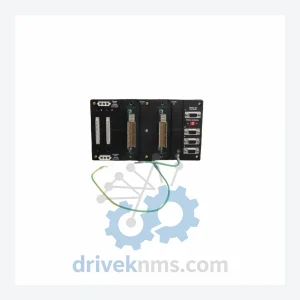
Foxboro RH924YF Mounted Modular Controller – Obsolete I/A Series Spare Part
Foxboro RH924YF Mounted Modular Controller – Obsolete I/A Series Spare Part When a Foxboro RH924YF fails on the plant floor,…
Model: P0400DA FBM1
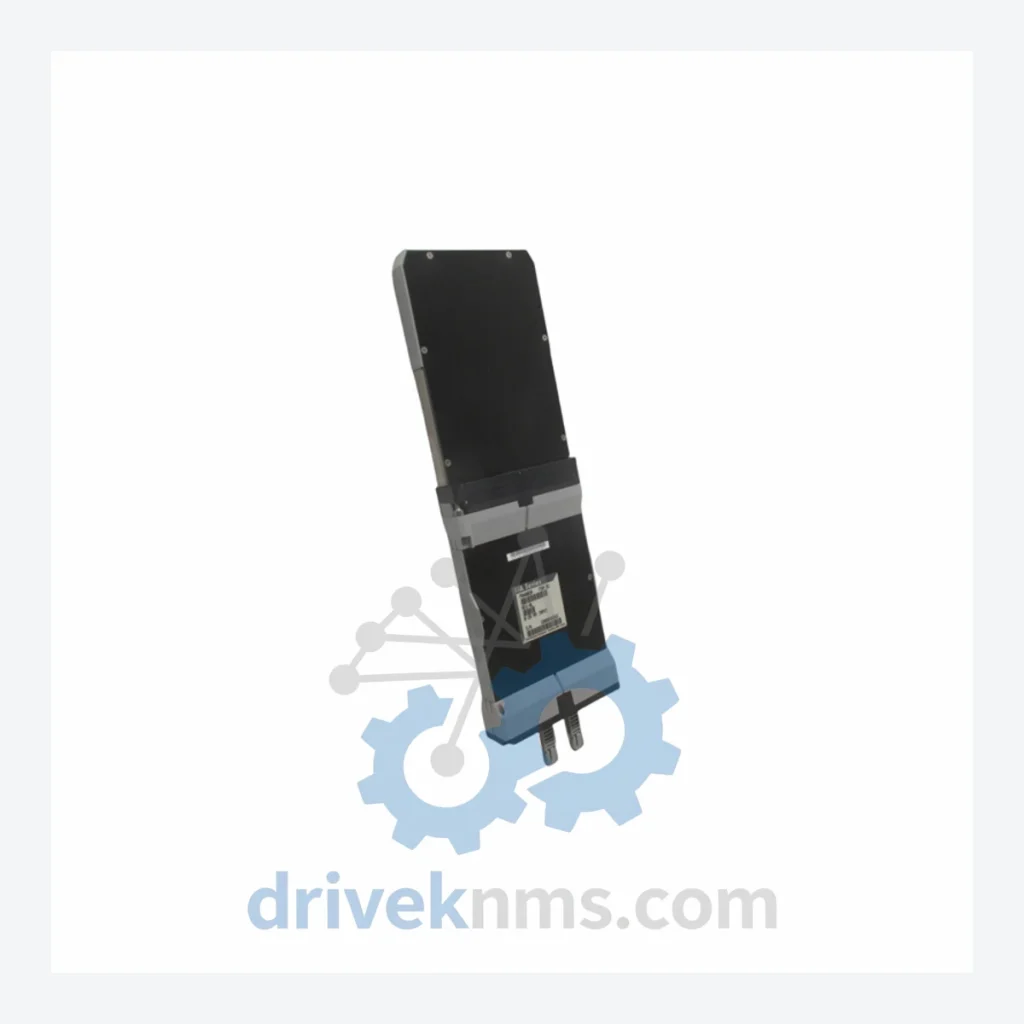
Product Overview
Commercial availability is handled through direct RFQ, model verification and export-oriented follow-up rather than public cart checkout.
Datasheet Preview
Use attached product manuals when available. If the manual is not public yet, request the full file directly through RFQ.
Commercial Path
Product pages on DRIVEKNMS are designed to verify model, brand and series first, then move the buyer into one clean quotation path.
Technical Dossier
The Foxboro I/A Series (Intelligent Automation Series) represents one of the most widely deployed Distributed Control System (DCS) platforms in global heavy industry. Installed across petrochemical refineries, nuclear power stations, offshore platforms, pulp and paper mills, and large-scale chemical processing facilities, the I/A Series has maintained a continuous field presence since its commercial introduction in the mid-1980s. The Field Bus Module (FBM) subsystem forms the I/O backbone of this architecture, providing the physical and logical interface between field instrumentation and the central control processors. The P0400DA FBM1 is a representative module within this extensive catalog, functioning as a fieldbus interface unit within the I/A Series nodebus topology.
The I/A Series FBM architecture has undergone three distinct generational transitions since its initial deployment. The first generation (circa 1987–1995) introduced the concept of distributed I/O over a proprietary nodebus, with modules such as the FBM01 through FBM10 handling analog and discrete I/O in a rack-mounted format. These early modules used parallel backplane communication and were limited to single-ended signal conditioning.
The second generation (1995–2005) introduced enhanced signal processing, HART pass-through capability on select analog input modules, and improved diagnostic registers accessible via the Foxboro Control Configurator (FoxCAE/ICC). Modules in this era — including the FBM201, FBM202, FBM207, and FBM214 — became the dominant installed base across refinery and power generation applications.
The third generation (2005–present) introduced the Foxboro Evo platform compatibility layer, allowing legacy FBM modules to coexist with modern Ethernet-based I/O under a unified control environment. However, many original I/A Series FBM modules are now classified as End-of-Life (EOL) or End-of-Support (EOS) by Schneider Electric (which acquired Foxboro/Invensys in 2014). This creates a sustained demand for certified spare and replacement units across the global installed base.
The following SKUs represent verified, commonly sourced modules within the Foxboro I/A Series FBM range. Each entry reflects the module's primary functional classification:
Analog Input Modules
Analog Output Modules
Digital Input Modules
Digital Output Modules
Communication & Specialty Modules
A significant portion of the global I/A Series installed base operates on modules that Schneider Electric has formally discontinued. Lead times for new-manufacture equivalents — where available — frequently exceed 26 weeks. DriveKNMS maintains a dedicated inventory of tested, pull-out, and refurbished I/A Series FBM modules to support lifecycle extension programs at facilities that cannot justify a full DCS migration.
DriveKNMS sources I/A Series FBM modules through decommissioned plant buybacks, certified distributor networks, and direct factory-surplus channels. All units are cataloged by part number, firmware revision where applicable, and physical condition grade. For EOL modules such as early FBM1 through FBM10 variants, DriveKNMS provides cross-reference matching to identify functional equivalents within the later FBM200-series range where direct substitution is feasible.
I/A Series FBM modules present specific test challenges due to their proprietary nodebus communication protocol and backplane-dependent initialization sequences. DriveKNMS employs a structured test protocol for all FBM units prior to dispatch:
© 2026 DriveKNMS. All trademarks belong to their respective owners. Specifications are for reference only and subject to change without notice. Verify all parameters against official documentation before installation.
Related Paths
Foxboro RH924YF Mounted Modular Controller – Obsolete I/A Series Spare Part When a Foxboro RH924YF fails on the plant floor,…
Foxboro FCM10E P0914YM Communication Interface Module – Obsolete I/A Series Spare Part When a Foxboro FCM10E P0914YM fails in an…

Foxboro FBM Series: Comprehensive Module Range and Technical Overview The Foxboro FBM (Fieldbus Module) series is a core component of…