
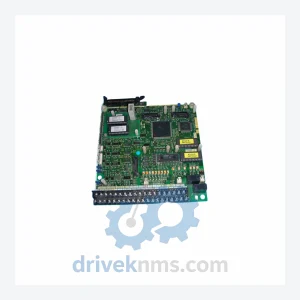
FUJI EP Series Modules: EP-3429-C6-Z2
Fuji Electric EP Series: Comprehensive Module Range and Technical Overview The Fuji Electric EP Series represents a mature, field-proven platform…
Model: TEC-1VM EP-3955B
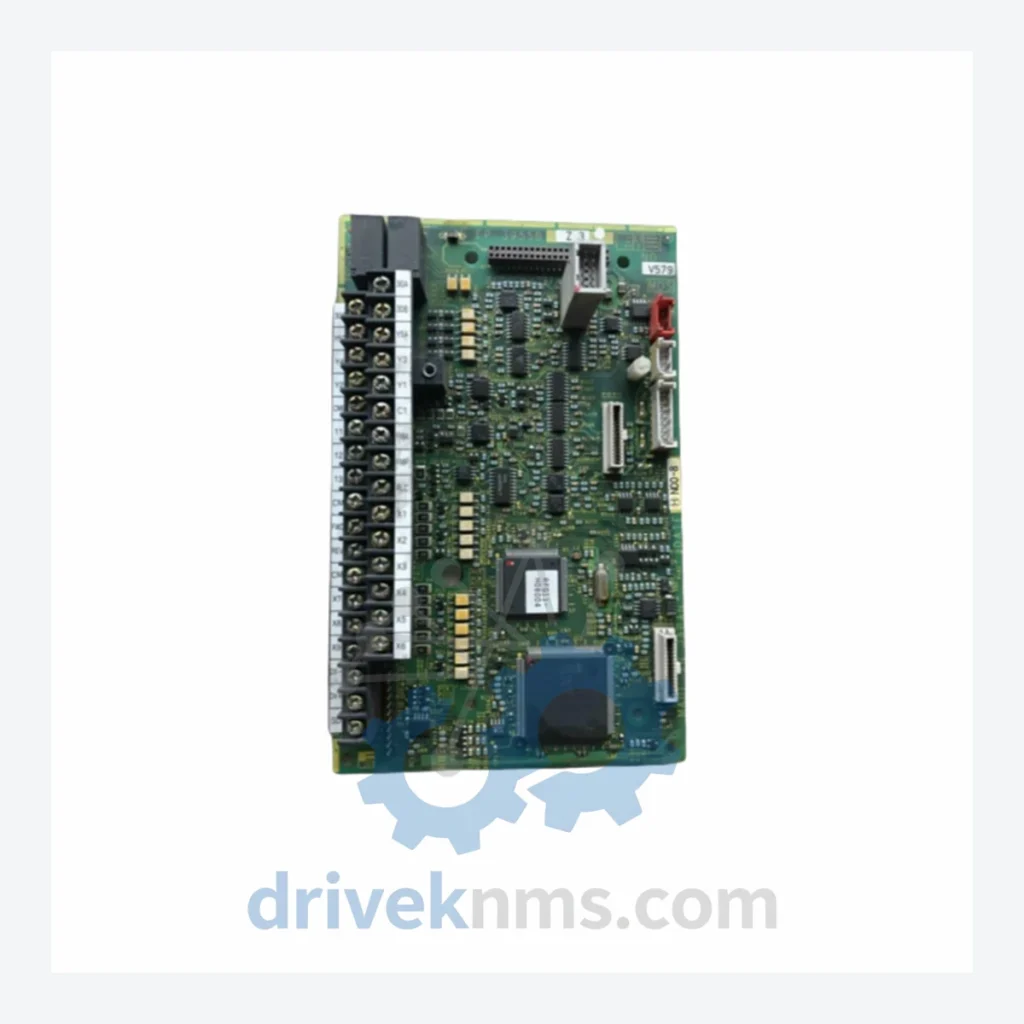
Product Overview
Commercial availability is handled through direct RFQ, model verification and export-oriented follow-up rather than public cart checkout.
Datasheet Preview
Use attached product manuals when available. If the manual is not public yet, request the full file directly through RFQ.
Commercial Path
Product pages on DRIVEKNMS are designed to verify model, brand and series first, then move the buyer into one clean quotation path.
Technical Dossier
The FUJI TEC-1VM series represents a core hardware platform deployed across heavy industrial environments globally, including petrochemical refineries, nuclear power facilities, chemical processing plants, and large-scale manufacturing automation systems. Engineered by Fuji Electric, the TEC-1VM architecture was designed to meet the stringent reliability and deterministic control requirements of continuous-process industries where unplanned downtime carries significant operational and safety consequences. Installed base records indicate widespread deployment across Asia-Pacific, the Middle East, and European industrial sectors, with many installations now operating beyond their original design lifecycle. The EP-3955B High Power Motherboard is a central backplane component within this series, providing the primary bus interconnect and power distribution infrastructure for multi-module rack configurations.
The TEC-1VM platform was introduced as part of Fuji Electric's mid-generation DCS and programmable controller expansion during the late 1990s and early 2000s. Early revisions of the architecture utilized parallel backplane bus communication with fixed-slot addressing, which imposed strict module positioning requirements within the rack. Subsequent hardware revisions introduced improved bus arbitration logic and enhanced EMI shielding to address interference issues observed in high-voltage industrial environments.
The EP-3955B High Power Motherboard specifically addresses power delivery requirements for racks populated with high-current I/O modules and communication adapters. Compatibility across TEC-1VM sub-revisions requires verification of firmware version alignment between the motherboard and installed CPU modules. Older EP-series motherboards are not forward-compatible with later-generation CPU cards without hardware modification. As the TEC-1VM series has entered its mature-to-end-of-life phase, Fuji Electric has transitioned support to successor platforms; however, the installed base remains extensive, making long-term spare parts availability a critical operational concern for maintenance engineers.
The following SKUs represent verified components within the FUJI TEC-1VM series, organized by functional category. Each module is a discrete field-replaceable unit (FRU) within the TEC-1VM rack architecture.
Motherboards & Backplanes
CPU & Controller Modules
Digital Input (DI) Modules
Digital Output (DO) Modules
Analog Input (AI) Modules
Analog Output (AO) Modules
Communication Adapters
Power Supply Modules
The TEC-1VM series has been formally discontinued by Fuji Electric, with OEM spare parts availability progressively declining. DriveKNMS maintains a dedicated inventory program for end-of-life Fuji Electric control system components, including the EP-3955B and associated TEC-1VM modules. Sourcing channels include decommissioned plant equipment, authorized distributor surplus stock, and tested pull inventory from controlled industrial environments.
All obsolete TEC-1VM components supplied by DriveKNMS are subject to full functional verification prior to dispatch. Customers operating legacy TEC-1VM installations are advised to conduct a spare parts audit and establish a buffer stock strategy for critical single-point-of-failure modules, particularly CPU units, power supplies, and the EP-3955B backplane, which are not field-repairable and carry long lead times when sourced through standard channels. DriveKNMS provides lifecycle extension consultation to assist maintenance teams in prioritizing procurement based on module failure rate data and remaining operational life projections.
The TEC-1VM series employs a proprietary parallel backplane bus architecture with tight electrical timing tolerances. Standard bench testing procedures are insufficient to validate module integrity for this platform. DriveKNMS applies a dedicated test protocol for TEC-1VM components that includes the following stages:
Related Paths
Fuji Electric EP Series: Comprehensive Module Range and Technical Overview The Fuji Electric EP Series represents a mature, field-proven platform…
FUJI EP-3364B-CA-Z2 Inverter Control Board: Supply Continuity Strategy for a Discontinued Critical Spare The FUJI EP-3364B-CA-Z2 is a control board…
Fuji Electric 7MBI Series: Comprehensive Module Range and Technical Overview The Fuji Electric 7MBI series represents one of the most…