
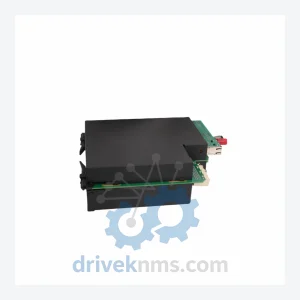
GE Multilin UR Series Modules: UR9GH UR 9GH CPU Module —
GE Multilin UR Series: Comprehensive Module Range and Technical Overview The GE Multilin Universal Relay (UR) Series represents one of…
Model: UR6DV
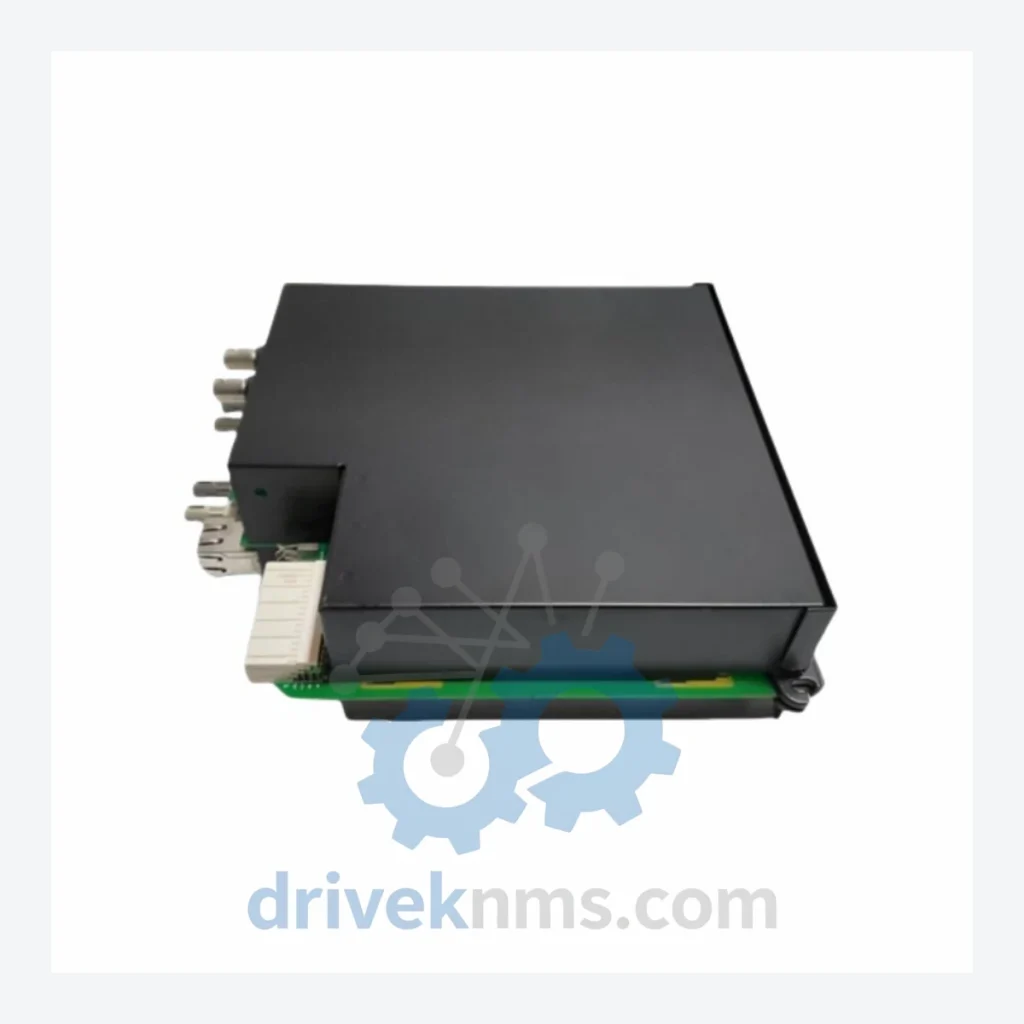
Product Overview
Commercial availability is handled through direct RFQ, model verification and export-oriented follow-up rather than public cart checkout.
Datasheet Preview
Use attached product manuals when available. If the manual is not public yet, request the full file directly through RFQ.
Commercial Path
Product pages on DRIVEKNMS are designed to verify model, brand and series first, then move the buyer into one clean quotation path.
Technical Dossier
The GE Multilin UR (Universal Relay) platform is one of the most widely deployed protection and control relay architectures in global heavy industry. Installed across petrochemical complexes, nuclear generating stations, oil refineries, and high-voltage transmission substations, the UR platform provides modular, slot-based protection logic for generators, transformers, motors, buses, lines, and feeders. Its chassis-based architecture supports hot-swappable I/O modules, enabling maintenance without full system shutdown — a critical requirement in continuous-process industries. The UR6DV is a Digital I/O Input module within this platform, providing discrete contact sensing for protection logic and interlocking schemes.
The UR platform was introduced by GE Multilin in the late 1990s as a successor to fixed-function electromechanical and early digital relays. The architecture is defined by a universal chassis (available in 3U, 5U, and 8U rack heights) populated with function-specific plug-in modules. Early UR generations used proprietary serial communications (RS-485, DNP3); subsequent revisions added IEC 61850 GOOSE messaging, IEEE 1588 precision time protocol, and fiber-optic inter-relay communications. The platform spans multiple product families — the C series (feeder/motor), D series (transformer differential), F series (feeder), G series (generator), L series (line distance), M series (motor), T series (transformer), and the universal chassis modules shared across all families. Compatibility between module generations is governed by firmware revision and chassis backplane version. Modules from early UR1 chassis are not electrically compatible with UR2 backplanes without adapter hardware. End-of-life announcements for select UR1-generation modules began in 2015, with GE (now GE Vernova / Grid Solutions) transitioning customers toward the UR2 and UR+ platforms. Long-term maintenance support for legacy UR1 modules is now primarily served by authorized third-party distributors and repair depots.
The following SKUs represent verified, commonly stocked modules within the GE Multilin UR platform. Modules are categorized by functional type.
Digital I/O Modules
CPU / Control Processor Modules
Communications Modules
Power Supply Modules
DriveKNMS maintains a dedicated inventory program for GE Multilin UR platform modules, with particular focus on UR1-generation hardware that has been discontinued by the OEM. For facilities operating legacy UR chassis in long-lifecycle environments — nuclear, refinery, or utility substation applications where full system replacement is not operationally feasible — DriveKNMS provides the following lifecycle extension services: verified surplus stock of discontinued SKUs including UR9LH, UR9KH, and early-generation I/O modules; factory-equivalent repair and refurbishment with full functional test; cross-reference and compatibility analysis between UR1 and UR2 module generations; and emergency same-day dispatch for critical plant maintenance windows. All sourced modules are accompanied by full traceability documentation and test records.
GE Multilin UR modules incorporate complex backplane bus communications and high-density FPGA-based protection logic that require specialized test procedures beyond standard power-on verification. DriveKNMS applies the following test protocol to all UR series modules prior to dispatch: backplane bus signal integrity verification using protocol-aware test fixtures; digital I/O channel-by-channel functional test under rated contact voltage (24 Vdc, 48 Vdc, 125 Vdc, 250 Vdc as applicable); analog I/O calibration verification against NIST-traceable reference instruments; CPU module firmware version identification and compatibility logging; communications module loopback test for all active ports (Ethernet, fiber, serial); and 48-hour burn-in under thermal cycling for refurbished units. Modules that do not pass all test stages are quarantined and not offered for sale.
© 2026 DriveKNMS. All trademarks belong to their respective owners. Specifications are for reference only and subject to change without notice. Verify all parameters against official documentation before installation.
Related Paths
GE Multilin UR Series: Comprehensive Module Range and Technical Overview The GE Multilin Universal Relay (UR) Series represents one of…
GE Multilin UR Series: Comprehensive Module Range and Technical Overview The GE Multilin Universal Relay (UR) platform is a modular,…
GE Multilin UR8AH UR Module – Obsolete Universal Relay Spare Part When a GE Multilin UR8AH module fails inside an…