
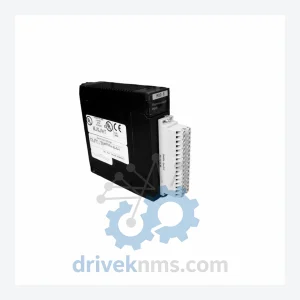
GE HE693THM166E Memory Ethernet Module – Series 90-30
GE Fanuc HE693THM166E is listed for Series 90-30 RFQ review. Confirm quantity, condition and destination before quotation.
RFQ-ready industrial model
Model: IC693NIU004
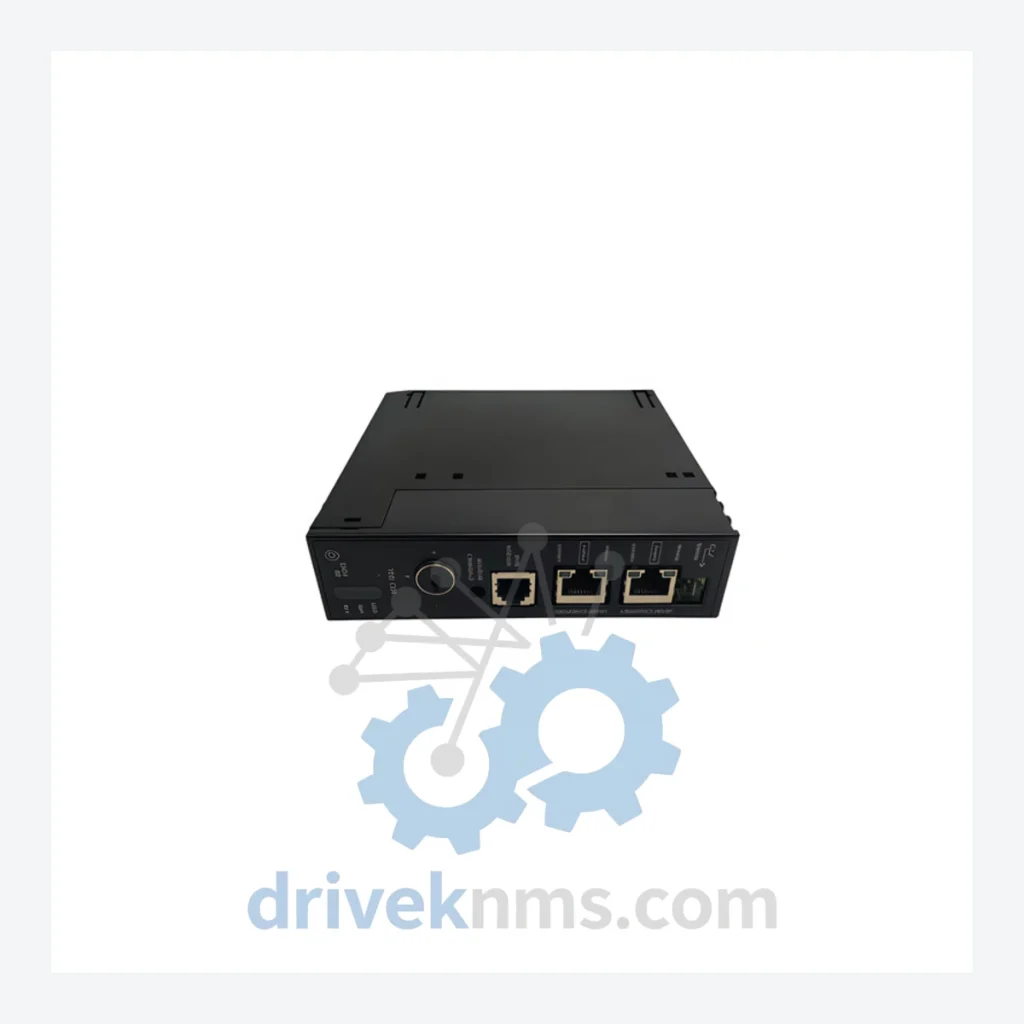
Product Overview
Commercial availability is handled through direct RFQ, model verification and export-oriented follow-up rather than public cart checkout.
Datasheet Preview
Use attached product manuals when available. If the manual is not public yet, request the full file directly through RFQ.
Commercial Path
Product pages on DRIVEKNMS are designed to verify model, brand and series first, then move the buyer into one clean quotation path.
Technical Dossier
The GE Series 90-30, identified by the IC693 prefix, is one of the most widely deployed programmable logic controller (PLC) platforms in global heavy industry. Since its introduction in the late 1980s, the Series 90-30 has accumulated a substantial installed base across petrochemical refineries, nuclear power auxiliary systems, water treatment facilities, automotive assembly lines, and continuous process manufacturing plants. Its modular rack-based architecture, deterministic scan cycle, and broad I/O density made it the default control platform for mid-scale automation projects throughout the 1990s and 2000s.
The Series 90-30 was designed around a passive backplane architecture with a proprietary high-speed serial bus connecting CPU and I/O modules. Early rack configurations supported 5-slot and 10-slot chassis (IC693CHS391, IC693CHS392), with the CPU occupying slot 1 and I/O modules filling remaining positions. Expansion racks communicated via dedicated bus expansion cables, allowing systems to scale to several hundred I/O points without a fundamental redesign.
The CPU family evolved through multiple generations. The IC693CPU311 and IC693CPU313 represented the initial 16-bit processing tier, with limited memory and no built-in communications. The IC693CPU340 and IC693CPU341 introduced expanded program memory and floating-point capability. The IC693CPU360, IC693CPU363, and IC693CPU374 added Ethernet-ready architectures and higher scan performance, representing the platform's technical ceiling before GE shifted investment to the PACSystems RX3i platform.
Communications evolved in parallel. Early systems relied on IC693CMM301 (serial) and IC693CMM311 (GENIUS bus) modules. The introduction of the IC693NIU004 Ethernet Network Interface Unit marked the platform's integration into TCP/IP-based plant networks, enabling SRTP and Modbus TCP communication without replacing the CPU. This backward compatibility was a deliberate design decision that extended the operational life of legacy racks by a decade or more.
The transition from Series 90-30 to PACSystems RX3i is not a drop-in replacement. While GE designed the RX3i to accept some IC693 I/O modules via a compatibility backplane, CPU programs, network configurations, and HMI tag databases require re-engineering. For facilities without dedicated controls engineering staff, this transition represents a multi-year project.
The following catalog covers verified IC693 module families. SKUs are grouped by functional category. All models listed are confirmed Series 90-30 hardware.
CPU Modules
Network & Communications Modules
Discrete I/O Modules
Analog I/O Modules
Power Supply Modules
The Series 90-30 platform presents specific inspection challenges due to its age and the diversity of storage and operating conditions units have experienced. DriveKNMS applies a structured verification process to all IC693 modules prior to dispatch.
Step 1 – Visual and Physical Inspection: Each module is examined for mechanical damage, connector pin condition, PCB corrosion, and evidence of field modifications or unauthorized repairs. Modules with compromised backplane connectors are rejected at this stage.
Step 2 – Electrolytic Capacitor Assessment: IC693 power supply and CPU modules contain electrolytic capacitors with a finite service life. Units are inspected for capacitor bulging, electrolyte leakage, and ESR (equivalent series resistance) deviation. Modules with degraded capacitors are either recapped using specification-matched components or removed from serviceable inventory.
Step 3 – Firmware Version Verification: CPU and communications modules are powered and interrogated to confirm firmware revision. Firmware version directly affects compatibility with specific Logicmaster 90 and Proficy Machine Edition software releases. Modules are documented with their confirmed firmware level prior to sale.
Step 4 – Functional Bench Test: Modules are installed in a reference IC693 rack and subjected to functional testing under controlled conditions. For I/O modules, all channels are exercised. For CPU modules, a reference program is loaded and executed to verify scan integrity. For communications modules including the IC693NIU004, network connectivity and protocol response are confirmed.
Step 5 – Anti-Static Packaging and Documentation: Verified modules are packaged in ESD-protective materials with a test record and condition report. Condition is classified as New, Refurbished-Tested, or Tested-Used, with full disclosure provided to the buyer.
Continue The Model Path
Move from this exact model into the matching system hub, brand archive, model-family archive or lifecycle sourcing route before sending a final RFQ list.
Related Paths
GE Fanuc HE693THM166E is listed for Series 90-30 RFQ review. Confirm quantity, condition and destination before quotation.
GE Fanuc IC609SJR100C is listed for Series 90-30 RFQ review. Confirm quantity, condition and destination before quotation.
GE Fanuc IC693PCM301 is listed for Series 90-30 RFQ review. Confirm quantity, condition and destination before quotation.