
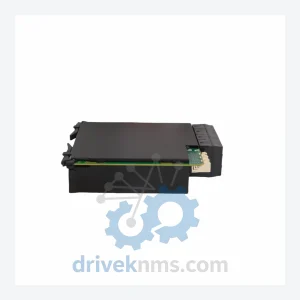
GE UR Series Modules: UR6AV Digital I/O Module —
GE UR Series: Comprehensive Module Range and Technical Overview The GE Grid Solutions UR Series (Universal Relay) platform is one…
Model: UR8FV
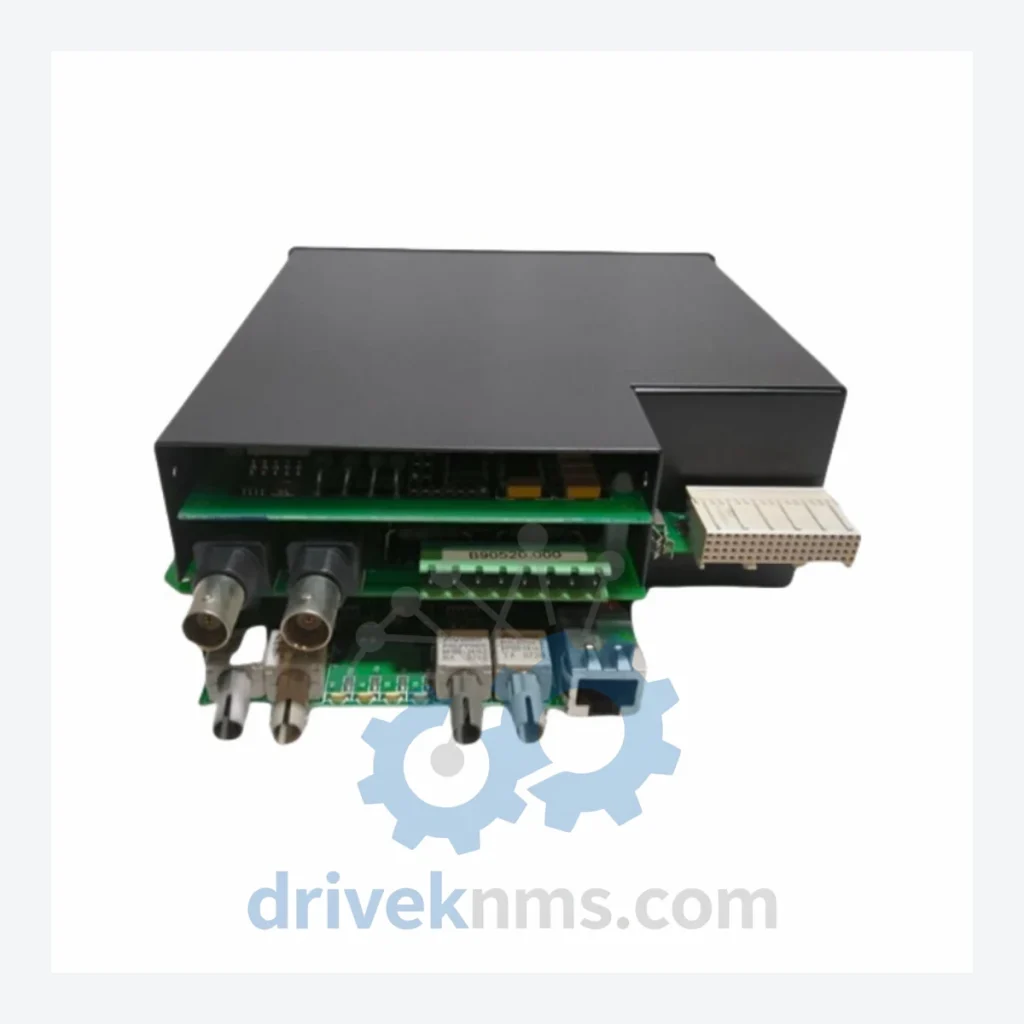
Product Overview
Commercial availability is handled through direct RFQ, model verification and export-oriented follow-up rather than public cart checkout.
Datasheet Preview
Use attached product manuals when available. If the manual is not public yet, request the full file directly through RFQ.
Commercial Path
Product pages on DRIVEKNMS are designed to verify model, brand and series first, then move the buyer into one clean quotation path.
Technical Dossier
The GE UR (Universal Relay) Series, developed by GE Grid Solutions (formerly GE Multilin), represents one of the most widely deployed digital protection relay platforms in global heavy industry. Installed across chemical processing plants, nuclear power stations, petroleum refineries, offshore platforms, and high-voltage transmission substations, the UR Series has established a dominant position in mission-critical protection applications where relay coordination, fault recording, and communications redundancy are non-negotiable operational requirements. The platform's modular hardware architecture allows end users to configure relay functionality precisely to the protection scheme required — from single-function feeder protection to complex multi-function transformer and generator protection — without replacing the base chassis. This flexibility has made the UR Series the relay of choice for utilities and industrial operators managing aging infrastructure alongside modern SCADA and IEC 61850 networks.
The UR platform was introduced in the late 1990s as GE Multilin's response to the industry's transition from electromechanical and solid-state relays to fully numerical, microprocessor-based protection. The first-generation UR chassis established the 19-inch rack-mount form factor and the modular slot-based I/O philosophy that remains the platform's defining characteristic today.
Early UR firmware (pre-4.0x) operated on a proprietary real-time OS with limited IEC 61850 support. From firmware 5.0x onward, GE introduced full GOOSE messaging and MMS protocol compliance, enabling the UR Series to integrate natively into IEC 61850 station bus architectures. The transition to firmware 7.xx brought enhanced cybersecurity features aligned with NERC CIP requirements, including role-based access control and encrypted communications — a critical development for utility operators subject to regulatory compliance mandates.
Hardware revisions followed a parallel trajectory. The original CPU modules (e.g., UR6FH, UR7FH) were succeeded by higher-performance variants with expanded memory and faster sampling rates. The introduction of the 9-slot chassis (e.g., UR9xx platform) extended the I/O capacity for complex protection schemes requiring simultaneous analog, digital, and communications modules. Compatibility between chassis generations is constrained: modules from the 6-slot and 8-slot chassis families are not interchangeable with 9-slot variants without engineering review. This is a critical consideration for maintenance teams sourcing replacement modules for installed base equipment.
As of 2026, the UR Series is in a mature/sustained phase. GE Grid Solutions continues to supply firmware updates and hardware replacements, but the platform is no longer the primary development focus — that role has shifted to the UR-series successor platforms. For operators with long-term installed base commitments, lifecycle extension through certified spare parts sourcing is the primary maintenance strategy.
The following SKUs represent verified, commonly deployed modules within the GE UR Series platform. Modules are classified by functional category.
CPU & Main Processing Modules
Analog Input Modules (AI)
Digital Input Modules (DI)
Digital Output / Relay Output Modules (DO)
Communications & Adapter Modules
Power Supply Modules
DriveKNMS maintains a dedicated inventory program for GE UR Series modules that have reached end-of-active-production status. For operators running UR platform relays in substations or industrial facilities with 10–25 year operational horizons, the ability to source verified replacement modules — particularly CPU boards, analog input cards, and communications adapters — is a direct operational risk factor.
Our sourcing process for obsolete UR Series parts includes: direct procurement from decommissioned substation equipment, certified refurbishment of pulled units, and cross-referencing of GE Multilin part numbers against current GE Grid Solutions equivalents where form-fit-function substitution is documented. All modules are supplied with full traceability documentation. For time-critical plant maintenance windows, DriveKNMS offers priority allocation from bonded stock.
The GE UR Series presents specific quality verification challenges due to its backplane bus architecture and the tight coupling between CPU firmware and I/O module hardware revisions. DriveKNMS applies a structured test protocol to all UR Series modules prior to dispatch:
Related Paths
GE UR Series: Comprehensive Module Range and Technical Overview The GE Grid Solutions UR Series (Universal Relay) platform is one…
GE URSHB Power Supply Module – Obsolete UR Series Spare Part When a power supply module fails inside a GE…
GE UR8LV CT/VT Module – Obsolete UR Series Spare Part When a CT/VT input module fails inside a GE UR…