
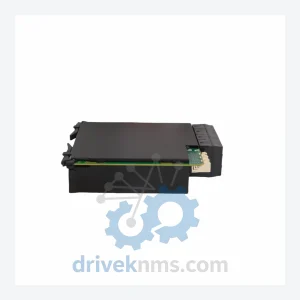
GE UR Series Modules: UR6AV Digital I/O Module —
GE UR Series: Comprehensive Module Range and Technical Overview The GE Grid Solutions UR Series (Universal Relay) platform is one…
Model: ECPU500 K HCD90 H P/N 271-4270 F
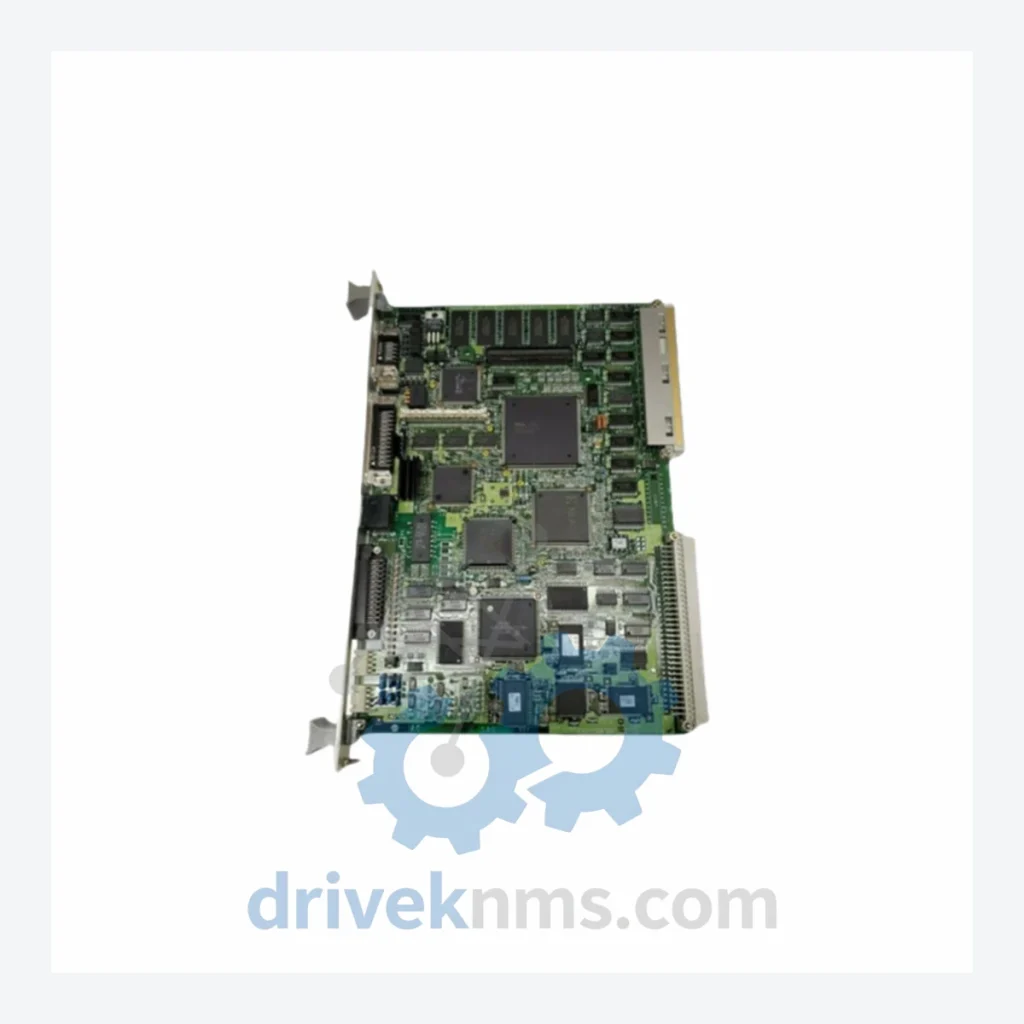
Product Overview
Commercial availability is handled through direct RFQ, model verification and export-oriented follow-up rather than public cart checkout.
Datasheet Preview
Use attached product manuals when available. If the manual is not public yet, request the full file directly through RFQ.
Commercial Path
Product pages on DRIVEKNMS are designed to verify model, brand and series first, then move the buyer into one clean quotation path.
Technical Dossier
The HP ECPU500 series represents a generation of distributed control system (DCS) and process automation modules deployed extensively across global heavy industry — including petrochemical refineries, nuclear power facilities, offshore platforms, and large-scale chemical processing plants. Manufactured under the HP (Hewlett-Packard) industrial automation division, the ECPU500 platform was engineered to deliver deterministic process control with high-density I/O integration in environments demanding continuous uptime and fault tolerance. Installed base units remain operational in legacy DCS architectures worldwide, making spare parts availability a critical operational concern for plant engineers and maintenance teams managing long-lifecycle assets.
The ECPU500 architecture was developed as part of HP's broader industrial control portfolio, designed to interface with backplane-based rack systems using proprietary bus communication protocols. Early revisions of the series focused on analog and discrete I/O processing with centralized CPU coordination. Subsequent hardware iterations introduced enhanced memory capacity, improved noise immunity for high-EMI industrial environments, and expanded communication adapter compatibility. The HCD90 sub-variant designation (as in the ECPU500 K HCD90 H) indicates a specific hardware configuration revision targeting high-current distribution and power conditioning functions within the rack assembly. Compatibility across ECPU500 sub-variants is revision-dependent; engineers must verify backplane connector pinout, firmware revision, and bus arbitration settings before substituting modules. As the series has entered its end-of-life and obsolescence phase, cross-compatibility with modern DCS platforms (such as Emerson DeltaV, Honeywell Experion, or ABB 800xA) requires gateway adapters and is not native. Long-term maintenance strategies for ECPU500-based systems typically involve stockpiling certified refurbished spares rather than platform migration, given the capital cost of full DCS replacement.
The following SKUs represent verified components within the HP ECPU500 ecosystem, classified by functional category. Each module is a discrete field-replaceable unit (FRU) within the ECPU500 rack architecture.
Power Modules
CPU / Controller Modules
Analog Input (AI) Modules
Analog Output (AO) Modules
Digital Input (DI) Modules
Digital Output (DO) Modules
Communication Adapters
ECPU500 modules present specific testing challenges due to their proprietary backplane bus architecture and multi-layer PCB construction. DriveKNMS applies a structured QC protocol for all ECPU500 units prior to dispatch. Power modules (including the ECPU500 K HCD90 H P/N 271-4270 F) undergo load-bank testing at rated current output, ripple voltage measurement, and thermal cycling to verify capacitor integrity — a common failure mode in aged power supply assemblies. CPU modules are tested under simulated scan-cycle load with memory read/write verification across the full address space. I/O modules are functionally tested channel-by-channel using calibrated signal sources and measurement equipment traceable to national standards. Communication adapter modules are validated for protocol handshake integrity and error-rate performance. All modules are visually inspected for PCB delamination, corroded contacts, and component-level damage before functional testing commences. Units that pass all test stages are issued a DriveKNMS inspection certificate with test date, technician ID, and measured parameters.
Related Paths
GE UR Series: Comprehensive Module Range and Technical Overview The GE Grid Solutions UR Series (Universal Relay) platform is one…
GE Multilin UR Series: Comprehensive Module Range and Technical Overview The GE Multilin Universal Relay (UR) Series represents one of…
GE UR Series: Comprehensive Module Range and Technical Overview The GE UR (Universal Relay) Series, developed by GE Grid Solutions…