
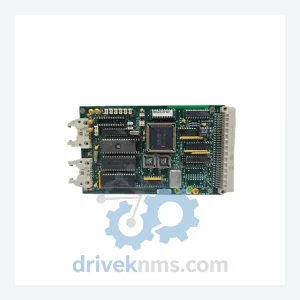
KONGSBERG NA-1E220 Modules: NA1E220.1 Single Board,
KONGSBERG NA-1E220 Series: Comprehensive Module Range and Technical Overview The KONGSBERG NA-1E220 series represents a core single-board computing and I/O…
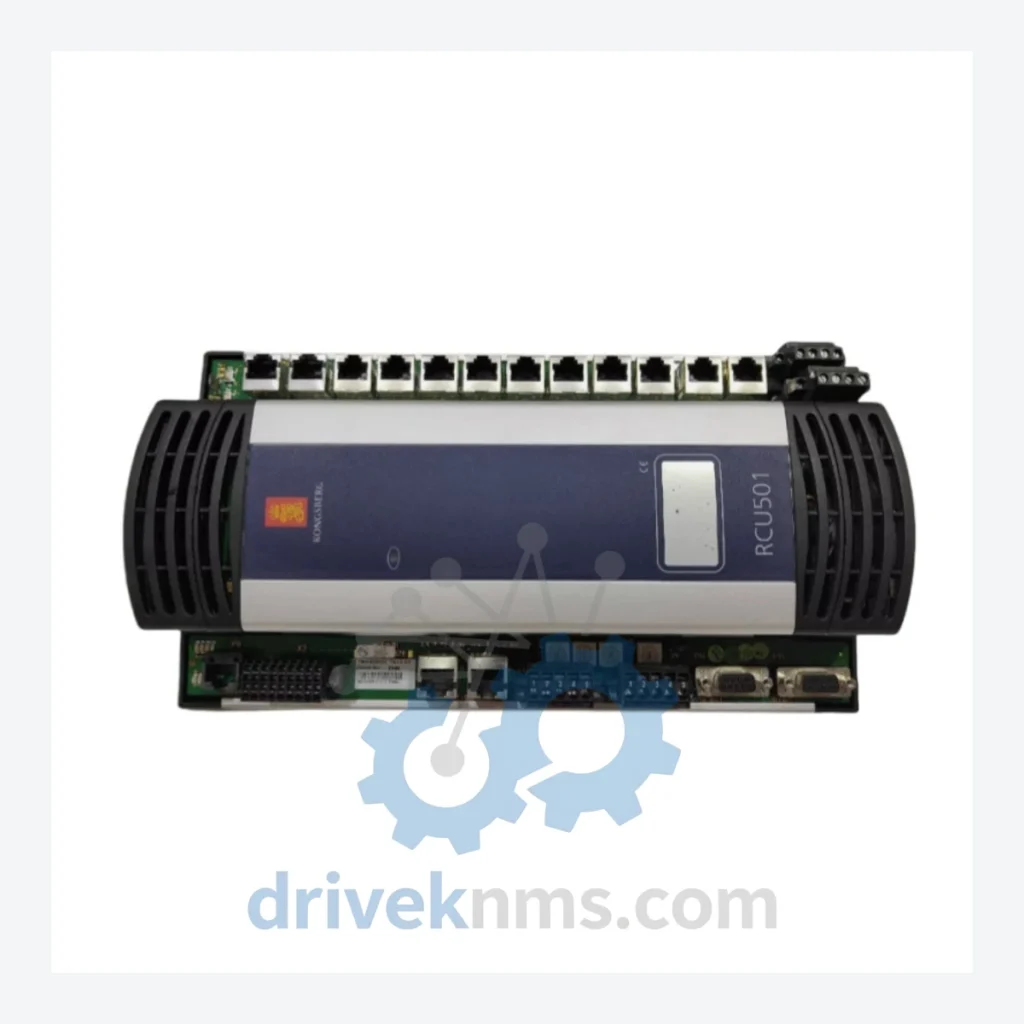
Model: RCU501
Product Overview
Commercial availability is handled through direct RFQ, model verification and export-oriented follow-up rather than public cart checkout.
Datasheet Preview
Use attached product manuals when available. If the manual is not public yet, request the full file directly through RFQ.
Commercial Path
Product pages on DRIVEKNMS are designed to verify model, brand and series first, then move the buyer into one clean quotation path.
Technical Dossier
The KONGSBERG RCU (Remote Controller Unit) series is a purpose-engineered control platform deployed across global heavy industry sectors including offshore oil & gas platforms, petrochemical refineries, subsea production systems, and nuclear auxiliary control applications. Developed by Kongsberg Maritime and Kongsberg Digital, the RCU architecture forms the backbone of distributed control and remote monitoring systems where deterministic response, environmental hardening, and long-term serviceability are non-negotiable requirements. Installations span major operators in the North Sea, the Middle East, Southeast Asia, and the Gulf of Mexico, with documented service lives exceeding 20 years in continuous operation.
The RCU series originated within Kongsberg's Simrad and Norcontrol lineage, inheriting ruggedized backplane designs from the SDP (Ship Dynamic Positioning) and K-Chief automation platforms. Early-generation units such as the RCU101 and RCU201 utilized proprietary serial bus communication (RS-422/RS-485 derivatives) with fixed-function I/O mapping. The mid-generation transition introduced modular slot architecture, enabling field-replaceable I/O cards without full panel shutdown — a critical feature for live vessel and platform operations.
The RCU501 generation represents the mature phase of this architecture, incorporating dual-redundant power inputs, expanded diagnostic registers accessible via the K-Bus protocol, and compatibility with Kongsberg's IAMS (Integrated Alarm and Monitoring System) software suite. Later variants introduced Ethernet-based configuration interfaces while retaining legacy serial backplane compatibility for brownfield integration. As the RCU series has entered its maintenance and end-of-life phase for several sub-models, the primary operational challenge for asset owners is securing certified replacement modules without triggering full system re-qualification.
The following catalog covers verified SKUs within the KONGSBERG RCU platform. Units are classified by primary function:
Remote Controller Units (Main Processing)
Analog Input / Output Modules
Digital Input / Output Modules
Communication & Network Adapters
Power Supply Modules
Several RCU sub-models — including the RCU101, RCU201, and RCU-COM1 — have been formally discontinued by KONGSBERG with no direct OEM replacement pathway. For operators running these modules in active installations, the options are: full system migration (high cost, extended downtime), functional equivalent substitution (requires re-qualification), or certified aftermarket sourcing from specialist distributors.
DriveKNMS maintains a dedicated inventory program for end-of-life KONGSBERG RCU modules. Stock is sourced from decommissioned vessels, platform upgrades, and controlled OEM surplus channels. All units undergo identity verification against KONGSBERG part number databases before entering inventory. For operators requiring long-term maintenance agreements covering the RCU series, DriveKNMS provides multi-year supply contracts with guaranteed response times — a critical requirement for Class-certified vessels and ATEX-zoned installations where unplanned downtime carries regulatory consequences.
The RCU series presents specific test challenges due to its proprietary K-Bus backplane protocol and multi-slot interdependency. Standard bench testing is insufficient — modules must be validated within a live RCU chassis environment to confirm correct bus arbitration, interrupt handling, and watchdog response.
DriveKNMS employs a dedicated RCU test rig replicating the standard 6-slot and 12-slot chassis configurations. Each module undergoes the following verification sequence: (1) visual and mechanical inspection against OEM dimensional tolerances; (2) power-on self-test with bus isolation to detect latent faults; (3) functional I/O verification using calibrated signal sources traceable to national standards; (4) K-Bus communication stress test at maximum poll rate for a minimum of 4 hours; (5) thermal cycling between 0°C and 55°C to screen for marginal solder joints and capacitor degradation. Modules that pass all five stages are issued a DriveKNMS test certificate with individual serial number traceability.
Related Paths
KONGSBERG NA-1E220 Series: Comprehensive Module Range and Technical Overview The KONGSBERG NA-1E220 series represents a core single-board computing and I/O…
KONGSBERG NN791 Series: Comprehensive Module Range and Technical Overview The KONGSBERG NN791 series is a distributed control system (DCS) module…
Kongsberg VT25-373-99/X9 Power Supply Unit – Obsolete Kongsberg Spare Part When a power supply unit fails inside a legacy Kongsberg…