
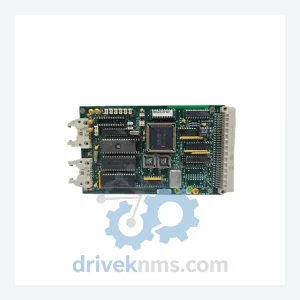
KONGSBERG NA-1E220 Modules: NA1E220.1 Single Board,
KONGSBERG NA-1E220 Series: Comprehensive Module Range and Technical Overview The KONGSBERG NA-1E220 series represents a core single-board computing and I/O…
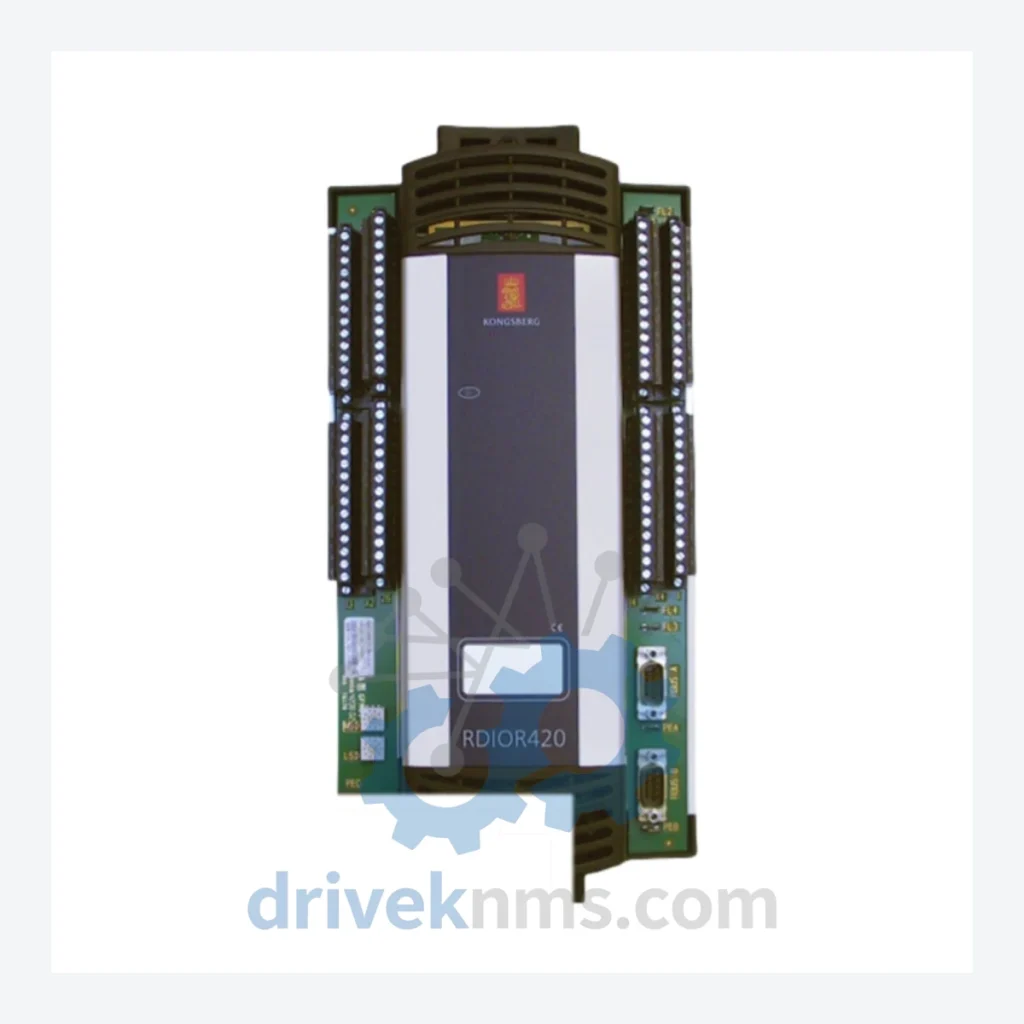
Model: RDIOR420
Product Overview
Commercial availability is handled through direct RFQ, model verification and export-oriented follow-up rather than public cart checkout.
Datasheet Preview
Use attached product manuals when available. If the manual is not public yet, request the full file directly through RFQ.
Commercial Path
Product pages on DRIVEKNMS are designed to verify model, brand and series first, then move the buyer into one clean quotation path.
Technical Dossier
The Kongsberg RDIOR420 Remote Digital Input module is a field-proven I/O component deployed across heavy industrial installations including offshore oil & gas platforms, petrochemical refineries, LNG terminals, and nuclear auxiliary systems. Manufactured by Kongsberg Maritime / Kongsberg Digital under the K-Chief and SDP (Ship Dynamic Positioning) control architecture, the RDIOR420 belongs to the Remote I/O (RIO) subsystem family that interfaces field instruments with the central processing units of Kongsberg's distributed control systems (DCS). Its 24 VDC digital input channels are designed for high-noise industrial environments, with galvanic isolation and redundant bus communication ensuring deterministic signal integrity in safety-critical loops. The RDIOR420 platform has accumulated decades of installed base across global heavy industry, making it one of the most referenced spare parts in Kongsberg DCS lifecycle management programs.
Kongsberg's Remote I/O architecture evolved through several generations tied to the broader K-Chief 500, K-Chief 600, and SDP MkII/MkIII control system platforms. Early RIO modules from the 1990s used proprietary serial backplane communication with limited diagnostics. The RDIOR420 generation introduced structured cabling compatibility, improved EMC shielding, and modular DIN-rail mounting, aligning with IEC 61131-2 environmental standards. As Kongsberg transitioned toward Ethernet-based field networks and IEC 61850 integration in newer platforms (K-Chief 700 series), the RDIOR420 entered a mature/end-of-active-production phase. However, due to the 20–30 year operational lifecycle of vessels and offshore installations where it is embedded, demand for RDIOR420 units as maintenance spares remains structurally sustained. Compatibility issues arise primarily when mixing RDIOR420 units with newer RIO bus controllers that require firmware-matched I/O modules; version verification is mandatory before installation.
The following SKUs represent the verified Kongsberg Remote I/O module range associated with the RDIOR420 platform and its direct ecosystem. Each module is classified by function:
Digital Input Modules
Digital Output Modules
Analog Input Modules
Analog Output Modules
Communication & Bus Interface Modules
Specialty / Safety Modules
The RDIOR420 and its associated RIO module family are no longer in active volume production by Kongsberg. Standard OEM lead times for new-build spares, where available, exceed 26 weeks. DriveKNMS maintains a dedicated inventory program for Kongsberg RIO modules sourced through certified secondary market channels, decommissioned vessel part-outs, and authorized distributor excess stock. All RDIOR420 units in DriveKNMS inventory are subject to pre-shipment functional verification. For operators running K-Chief 500/600 or SDP MkII/MkIII systems with no planned platform migration, DriveKNMS provides multi-year supply agreements to support planned maintenance schedules and unplanned breakdown events. Firmware version documentation and hardware revision records are provided with each unit upon request.
The RDIOR420 presents specific test challenges due to its RIO backplane bus protocol and multi-channel isolated input architecture. DriveKNMS applies the following verification procedures to all RDIOR420 units: (1) Visual inspection per IPC-A-610 Class 2 criteria, covering PCB, connector pins, and conformal coating integrity. (2) Powered functional test using a Kongsberg-compatible RIO bus simulator to verify all 24 input channels individually at 24 VDC nominal and at ±10% voltage tolerance limits. (3) Isolation resistance test between input channels and backplane bus at 500 VDC, minimum 100 MΩ. (4) Communication handshake verification with RIOBC420/421 bus controller to confirm correct module addressing and diagnostic register response. (5) Burn-in cycle: 48-hour powered soak at 40°C ambient to screen latent component failures. Units that fail any stage are quarantined and not returned to serviceable stock.
Related Paths
KONGSBERG NA-1E220 Series: Comprehensive Module Range and Technical Overview The KONGSBERG NA-1E220 series represents a core single-board computing and I/O…
KONGSBERG NN791 Series: Comprehensive Module Range and Technical Overview The KONGSBERG NN791 series is a distributed control system (DCS) module…
Kongsberg VT25-373-99/X9 Power Supply Unit – Obsolete Kongsberg Spare Part When a power supply unit fails inside a legacy Kongsberg…