
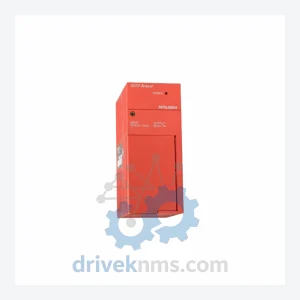
Mitsubishi A1S63P Power Supply Unit – Obsolete MELSEC-A Series Spare Part
Mitsubishi Electric A1S63P is listed for MELSEC-A RFQ review. Confirm quantity, condition and destination before quotation.
RFQ-ready industrial model
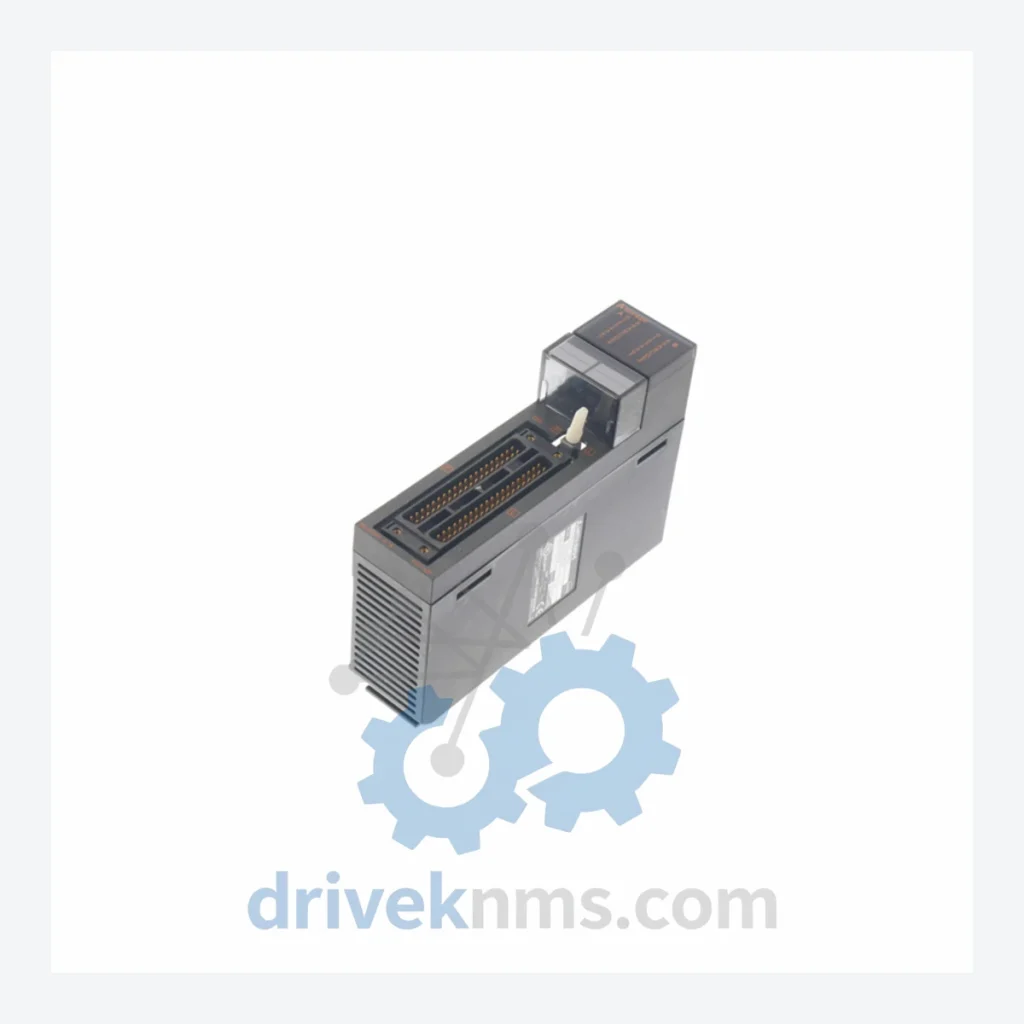
Model: A1SY42P
Product Overview
Commercial availability is handled through direct RFQ, model verification and export-oriented follow-up rather than public cart checkout.
Datasheet Preview
Use attached product manuals when available. If the manual is not public yet, request the full file directly through RFQ.
Commercial Path
Product pages on DRIVEKNMS are designed to verify model, brand and series first, then move the buyer into one clean quotation path.
Technical Dossier
The Mitsubishi Electric MELSEC-A Series programmable logic controller platform has been deployed across global heavy industry for over three decades. Installations span petrochemical complexes, nuclear power auxiliary systems, crude oil refineries, steel rolling mills, and municipal water treatment facilities. The series established Mitsubishi Electric's position as a primary DCS/PLC supplier in Asia-Pacific and remains one of the most widely installed legacy automation platforms in continuous-process industries.
The A1SY42P is a transistor-type digital output module rated for 16 points, designed for the A1S-series slim-line base unit, operating at 12–24 VDC with a maximum load current of 0.1 A per point and 0.8 A per common. Its sink-type output configuration is compatible with NPN-driven field devices standard in Japanese and Asian industrial installations.
The MELSEC-A Series was introduced in the early 1980s as Mitsubishi Electric's modular mid-range PLC platform, succeeding the MELSEC-K Series. The architecture is organized into two primary form-factor families: the full-size A-Series (A2A, A3A, A2AS, A3N) and the slim-line A1S-Series (A1SCPU, A1SHCPU), which share a common instruction set but differ in backplane pitch, power supply ratings, and maximum I/O point counts.
Key architectural milestones: The A2ACPU introduced floating-point arithmetic support. The A3NCPU extended program capacity to 60K steps. The A1SHCPU added built-in RS-232C and RS-422 ports, eliminating the need for a dedicated communication module in small-scale applications. The A2USCPU and A2USHCPU introduced USB programming interfaces and expanded data register capacity to 8,192 words.
Compatibility constraints are significant: A1S-series modules are not physically interchangeable with full-size A-series base units due to different connector pitch. Communication modules using the A-Bus protocol (e.g., A1SJ71AP23Q) are not compatible with Q-Series base units without a dedicated conversion adapter. Mitsubishi Electric officially announced end-of-production for the MELSEC-A Series in 2008, with repair support extended through 2023. The recommended migration path is to the MELSEC iQ-R Series or MELSEC Q Series, both of which offer A-Series emulation modes via GX Works3 software.
CPU Modules
A1SCPU: Slim-line CPU, 8K steps, 256 I/O points max, basic instruction set.
A1SHCPU: Slim-line CPU with built-in RS-232C/RS-422, 14K steps, enhanced interrupt handling.
A2ACPU: Full-size CPU, 28K steps, floating-point arithmetic, 2048 I/O points.
A2ASCPU: Full-size CPU with built-in RS-232C, 28K steps, MELSECNET/B compatible.
A3NCPU: Full-size high-capacity CPU, 60K steps, 8192 I/O points, multi-program execution.
A2USCPU: Full-size CPU, USB programming port, 28K steps, 8192-word data register.
A2USHCPU: Full-size CPU, USB + RS-232C dual port, 28K steps, redundancy-ready.
Digital Input (DI) Modules
A1SX40: 16-point DC input, 24 VDC, sink/source compatible, slim-line form factor.
A1SX80: 32-point DC input, 24 VDC, high-density, slim-line base compatible.
AX40: 16-point DC input, full-size base, 24 VDC, standard 10 ms response time.
AX80: 32-point DC input, full-size base, 24 VDC, high-density configuration.
Digital Output (DO) Modules
A1SY42P: 16-point transistor output, 12–24 VDC, 0.1 A/point, sink type, slim-line base, fuse-protected commons.
A1SY80: 32-point transistor output, 12–24 VDC, 0.1 A/point, high-density slim-line module.
A1SY10: 16-point relay output, 240 VAC / 24 VDC, 2 A/point, slim-line base.
AY40: 16-point transistor output, full-size base, 12–24 VDC, sink type.
AY80: 32-point transistor output, full-size base, 12–24 VDC, high-density.
Analog I/O (AI/AO) Modules
A1S62DA: 2-channel analog output, 12-bit resolution, 0–10 V / 4–20 mA selectable per channel.
A1S64AD: 4-channel analog input, 12-bit resolution, voltage and current input selectable.
A68AD: 8-channel analog input, full-size base, 12-bit, high-channel-count process applications.
Communication & Network Modules
A1SJ71AP23Q: MELSECNET/B master module, coaxial or twisted-pair, slim-line base.
A1SJ71UC24-R4: RS-422/485 serial communication module, 4-wire, multi-drop capable.
A1SJ71E71-B2: Ethernet interface module, 10BASE-T, MELSEC communication protocol.
Power Supply Modules
A1S61P: Slim-line power supply, 100–240 VAC input, 5 VDC / 3 A output.
A1S62P: Slim-line power supply, 100–240 VAC input, 5 VDC / 6 A output, for higher-density base configurations.
Mitsubishi Electric ceased production of the MELSEC-A Series in 2008 and formally ended factory repair services in 2023. For facilities operating legacy A-Series installations — particularly in industries where control system replacement requires extended regulatory approval cycles (nuclear auxiliary systems, pharmaceutical batch control, municipal infrastructure) — sourcing tested surplus and refurbished modules is the primary lifecycle extension strategy.
MELSEC-A Series modules present specific test challenges due to their A-Bus backplane communication protocol and age-related component degradation. DriveKNMS applies the following test procedures to all A-Series units prior to dispatch:
Backplane Communication Verification: Each module is seated in a live A1S or A-series base unit and polled via GX Developer software to confirm correct module recognition and error-free A-Bus communication. Modules that generate SP.UNIT ERR or I/O assignment faults are quarantined for component-level repair.
Output Point Load Test (A1SY42P and all output modules): All 16 output points are individually energized under resistive load at rated current (0.1 A/point). Leakage current is measured in the OFF state. Fuse continuity on each common is verified. Transistor switching response time is measured against the 1 ms specification.
Capacitor and Power Rail Inspection: Electrolytic capacitors on the logic power rail are inspected for ESR degradation using an LCR meter. Units with capacitors exceeding 150% of rated ESR are recapped prior to sale.
Thermal Cycling: CPU and high-density I/O modules undergo a 4-hour thermal cycle (0°C to 55°C) to screen for intermittent solder joint failures common in modules with 15+ years of service history.
Continue The Model Path
Move from this exact model into the matching system hub, brand archive, model-family archive or lifecycle sourcing route before sending a final RFQ list.
Related Paths
Mitsubishi Electric A1S63P is listed for MELSEC-A RFQ review. Confirm quantity, condition and destination before quotation.
Mitsubishi Electric A8GT-PWTF is listed for MELSEC-A RFQ review. Confirm quantity, condition and destination before quotation.
Mitsubishi Electric A1S61PN is listed for MELSEC-A RFQ review. Confirm quantity, condition and destination before quotation.