
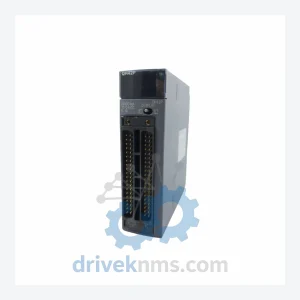
Mitsubishi QX48Y57 BD627B662G51 Combination Unit – PLC Module
Mitsubishi QX48Y57 BD627B662G51 PLC Combination Unit: Supply Continuity Strategy for Mission-Critical Operations The Mitsubishi QX48Y57 BD627B662G51 is a combination I/O…
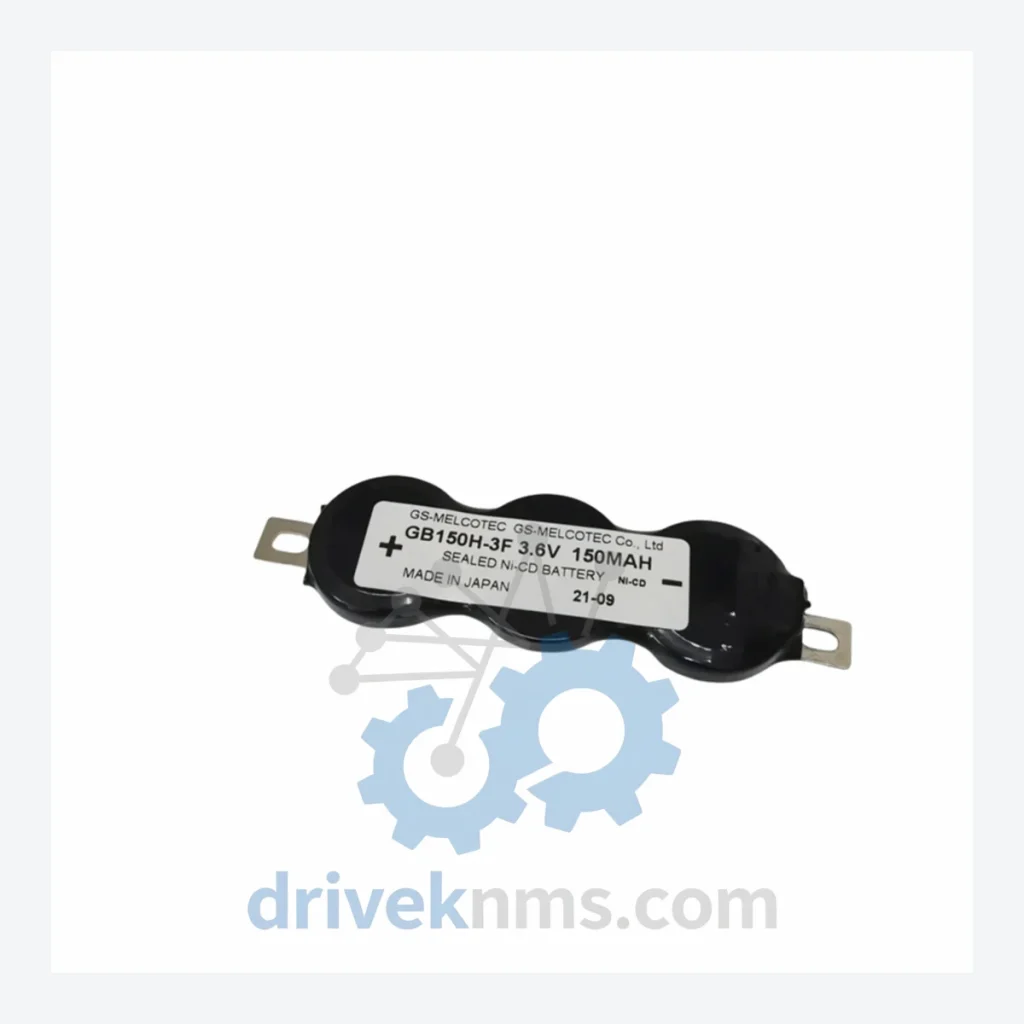
Model: GB250H-3F
Product Overview
Commercial availability is handled through direct RFQ, model verification and export-oriented follow-up rather than public cart checkout.
Datasheet Preview
Use attached product manuals when available. If the manual is not public yet, request the full file directly through RFQ.
Commercial Path
Product pages on DRIVEKNMS are designed to verify model, brand and series first, then move the buyer into one clean quotation path.
Technical Dossier
The Mitsubishi Electric GB250H Series represents the dedicated battery backup and power retention module line developed for Mitsubishi's MELSEC programmable logic controller (PLC) and distributed control system (DCS) platforms. These units are deployed globally across heavy industrial sectors including petrochemical refineries, nuclear power auxiliary systems, offshore platforms, steel mills, and continuous-process chemical plants where RAM data retention and clock backup during power interruption are non-negotiable operational requirements. The GB250H-3F and its series siblings are designed to interface directly with Mitsubishi MELSEC Q-series, A-series, and compatible CPU backplane slots, providing lithium-cell-based backup power to retain program memory, device data, and real-time clock registers during mains power loss events. Installed base across Asia-Pacific, Middle East, and European heavy industry makes this series one of the most frequently sourced battery replacement components in the Mitsubishi spare parts ecosystem.
The GB250H series traces its lineage to Mitsubishi Electric's early MELSEC battery backup philosophy, where discrete lithium thionyl chloride (Li-SOCl₂) cells were integrated into standardized module housings compatible with the A-series backplane form factor. Early iterations such as the GB-BAT and Q6BAT established the electrical interface standard — a low-voltage DC rail supplying SRAM and RTC circuits on the CPU module. As the MELSEC platform evolved through the A-series into the Q-series architecture (introduced in the late 1990s), battery module form factors were standardized around the Q6BAT and Q7BAT designations, with the GB250H sub-series emerging as a higher-capacity, longer-service-life variant targeting installations where annual battery replacement cycles are operationally impractical. The GB250H-3F specifically incorporates a 3-cell lithium configuration delivering extended backup duration, rated for CPU modules with higher SRAM capacities. Compatibility spans multiple CPU generations, making cross-generation sourcing a common requirement for maintenance engineers managing mixed-vintage MELSEC installations. As the A-series has reached end-of-life and Q-series approaches mature/declining lifecycle status, the GB250H series has transitioned into a long-term maintenance and lifecycle-extension component category — meaning new production runs are limited and verified surplus stock is the primary sourcing channel.
The following SKUs represent verified components within the Mitsubishi Electric GB250H / MELSEC battery and backup power module range. Each entry reflects a distinct part number with defined functional scope:
GB250H-3F: 3-cell lithium battery unit for MELSEC CPU RAM/RTC backup, extended service life
Q6BAT: Standard lithium battery for Q-series CPU modules, 3.6V primary cell
Q7BAT: High-capacity battery for Q-series large-memory CPU modules
Q8BAT: Battery cassette for Q-series redundant CPU configurations
A6BAT: Lithium battery for MELSEC A-series CPU modules (legacy)
A7BAT: Extended-capacity battery for A-series large-memory CPUs (legacy)
MR-BAT: Lithium battery for MELSERVO MR-J series servo amplifier absolute encoder backup
MR-BAT6V1SET: 6V lithium battery set for MR-J4/J5 series absolute position retention
ER6V/3.6V: Thionyl chloride lithium cell used in multiple MELSEC battery holders
Q170MCPU-BAT: Dedicated battery for Motion CPU Q170M series
Q172DCPU-BAT: Battery module for Q172D motion controller CPU
FX3U-32BL: Battery holder with lithium cell for MELSEC FX3U series CPU
FX-BAT: Replacement lithium battery for FX0/FX1/FX2 series CPU memory backup
GT15-BAT: Battery for GOT1000 series GT15 HMI panel RTC and backup
GT11-50BAT: Compact lithium battery for GOT1000 GT11 panel series
Q6DIN1: DIN rail adapter used in conjunction with Q-series battery module mounting
BKO-C10811H03: Mitsubishi CNC system battery for MELDAS series controller backup
MDS-B-BAT: Battery unit for MDS-B series CNC drive system absolute position memory
DriveKNMS maintains a dedicated inventory channel for Mitsubishi Electric battery and backup power modules across all lifecycle stages. The GB250H-3F and related A-series battery modules (A6BAT, A7BAT) are formally discontinued by Mitsubishi Electric, with no active production. For facilities operating legacy MELSEC A-series or early Q-series installations, sourcing verified surplus stock with confirmed cell chemistry integrity is the only viable maintenance path. DriveKNMS sources GB250H-3F units from decommissioned plant inventories, authorized distributor overstock, and controlled warehouse environments where storage temperature and humidity conditions preserve lithium cell capacity. All units are date-coded and capacity-verified prior to dispatch. For large-volume requirements — common in refinery turnaround projects or nuclear auxiliary system overhauls — DriveKNMS can provide consolidated lot sourcing with full traceability documentation.
Battery backup modules present unique verification challenges compared to active I/O or CPU modules: cell degradation is not externally visible and requires instrumented testing. DriveKNMS applies the following protocol to all GB250H series units prior to shipment. Open-circuit voltage (OCV) measurement confirms cell chemistry integrity — GB250H-3F units must read within the manufacturer-specified voltage window for a fresh lithium cell. Internal resistance measurement via AC impedance method identifies aged or partially discharged cells that pass OCV but fail under load. Capacity verification under controlled discharge confirms actual available backup duration against the rated specification. For units supplied as new-old-stock (NOS), storage duration is cross-referenced against lithium thionyl chloride self-discharge curves to calculate remaining service life. Each unit ships with a test report card documenting OCV, internal resistance, and estimated remaining capacity percentage.
Related Paths
Mitsubishi QX48Y57 BD627B662G51 PLC Combination Unit: Supply Continuity Strategy for Mission-Critical Operations The Mitsubishi QX48Y57 BD627B662G51 is a combination I/O…
Mitsubishi MW400 Series: Comprehensive Module Range and Technical Overview The Mitsubishi Electric MW400 series represents a generation of industrial circuit…
Mitsubishi PD21 PD21B Series: Comprehensive Module Range and Technical Overview The Mitsubishi PD21 and PD21B are DC power supply modules…