
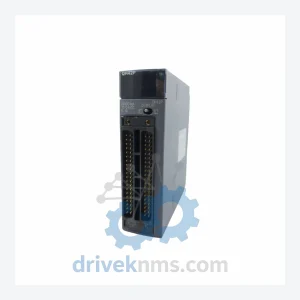
Mitsubishi QX48Y57 BD627B662G51 Combination Unit – PLC Module
Mitsubishi QX48Y57 BD627B662G51 PLC Combination Unit: Supply Continuity Strategy for Mission-Critical Operations The Mitsubishi QX48Y57 BD627B662G51 is a combination I/O…
Model: DOIOC11
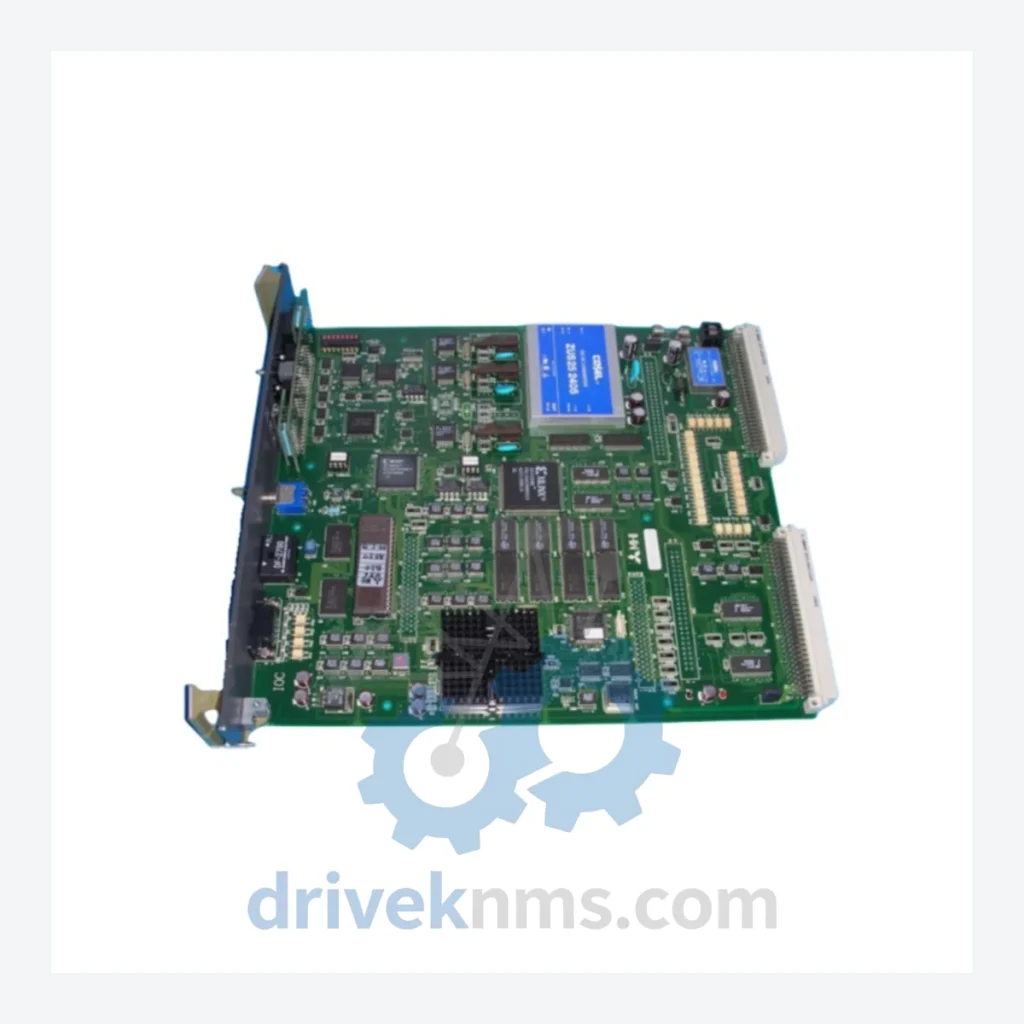
Product Overview
Commercial availability is handled through direct RFQ, model verification and export-oriented follow-up rather than public cart checkout.
Datasheet Preview
Use attached product manuals when available. If the manual is not public yet, request the full file directly through RFQ.
Commercial Path
Product pages on DRIVEKNMS are designed to verify model, brand and series first, then move the buyer into one clean quotation path.
Technical Dossier
The Mitsubishi MELSEC A-Series programmable controller platform has been deployed across heavy industrial sectors globally, including petrochemical refineries, nuclear power auxiliary systems, steel rolling mills, and continuous-process chemical plants. The DOIOC11 is a transistor-output digital output module within this platform, designed for high-density discrete control applications requiring reliable sink-type output switching. The A-Series architecture, introduced in the early 1980s and progressively expanded through the 1990s, established a standardized backplane bus that allowed mixed I/O configurations within a single base unit. Its installed base in long-lifecycle industries means demand for spare modules — including the DOIOC11 — remains active well beyond the series' official production end-of-life.
The MELSEC A-Series was Mitsubishi Electric's primary mid-range PLC platform from approximately 1982 through the early 2000s. Early modules operated on a parallel backplane bus with fixed slot addressing. The introduction of the AnS sub-series (compact form factor) and AnN/AnA/AnU variants expanded processing capability while maintaining backward I/O compatibility at the module level. Digital output modules in this era used relay, triac, or transistor output stages; the DOIOC11 belongs to the transistor (sink) category, offering faster switching speeds and longer mechanical life than relay equivalents.
By the mid-1990s, Mitsubishi began transitioning customers toward the MELSEC Q-Series, which introduced a 32-bit RISC CPU architecture, high-speed bus, and modular redundancy options. The A-Series was officially discontinued for new production, though Mitsubishi and authorized distributors continued to supply spare modules for maintenance contracts. Plants operating A-Series systems today face increasing difficulty sourcing modules such as the DOIOC11 through standard distribution channels, making specialist suppliers a critical part of their maintenance strategy.
Compatibility note: A-Series I/O modules are not directly interchangeable with Q-Series or iQ-R Series modules due to differences in backplane connector pitch, bus protocol, and power rail voltage. Replacement requires either an identical A-Series module or a full base-unit migration project.
Digital Output Modules (Transistor / Relay / Triac)
Digital Input Modules
Analog I/O Modules
CPU & Power Supply Modules
DriveKNMS maintains a dedicated inventory program for discontinued Mitsubishi MELSEC A-Series modules, including the DOIOC11 and related I/O units. Our sourcing network covers decommissioned plant equipment, authorized surplus channels, and long-term storage stock held under controlled conditions. For facilities operating under multi-year maintenance contracts or regulatory frameworks that prohibit mid-lifecycle platform migrations (common in nuclear auxiliary systems and continuous chemical processes), we provide module-level replacement without requiring base unit or software changes. Inquiries for single units or bulk lot requirements are handled with equal priority. Lead time estimates and condition grading (new-in-box, tested-used, refurbished) are provided at the time of quotation.
All MELSEC A-Series modules processed by DriveKNMS undergo a structured verification protocol before dispatch. For digital output modules such as the DOIOC11, this includes point-by-point output switching tests under rated load conditions, backplane connector pin inspection for oxidation or mechanical deformation, and optical isolation integrity verification between field-side and logic-side circuits. Analog modules are tested against full-scale linearity and zero-offset specifications. CPU modules are powered on a reference base unit and subjected to program read/write cycle verification. All modules are tested using Mitsubishi GX Developer or GX Works2 diagnostic utilities where applicable. Test records are retained and available upon request for quality-critical procurement processes.
Related Paths
Mitsubishi QX48Y57 BD627B662G51 PLC Combination Unit: Supply Continuity Strategy for Mission-Critical Operations The Mitsubishi QX48Y57 BD627B662G51 is a combination I/O…
Mitsubishi MW400 Series: Comprehensive Module Range and Technical Overview The Mitsubishi Electric MW400 series represents a generation of industrial circuit…
Mitsubishi PD21 PD21B Series: Comprehensive Module Range and Technical Overview The Mitsubishi PD21 and PD21B are DC power supply modules…