
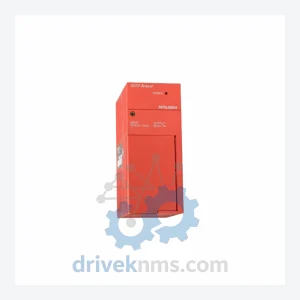
Mitsubishi A1S63P Power Supply Unit – Obsolete MELSEC-A Series Spare Part
Mitsubishi Electric A1S63P is listed for MELSEC-A RFQ review. Confirm quantity, condition and destination before quotation.
RFQ-ready industrial model
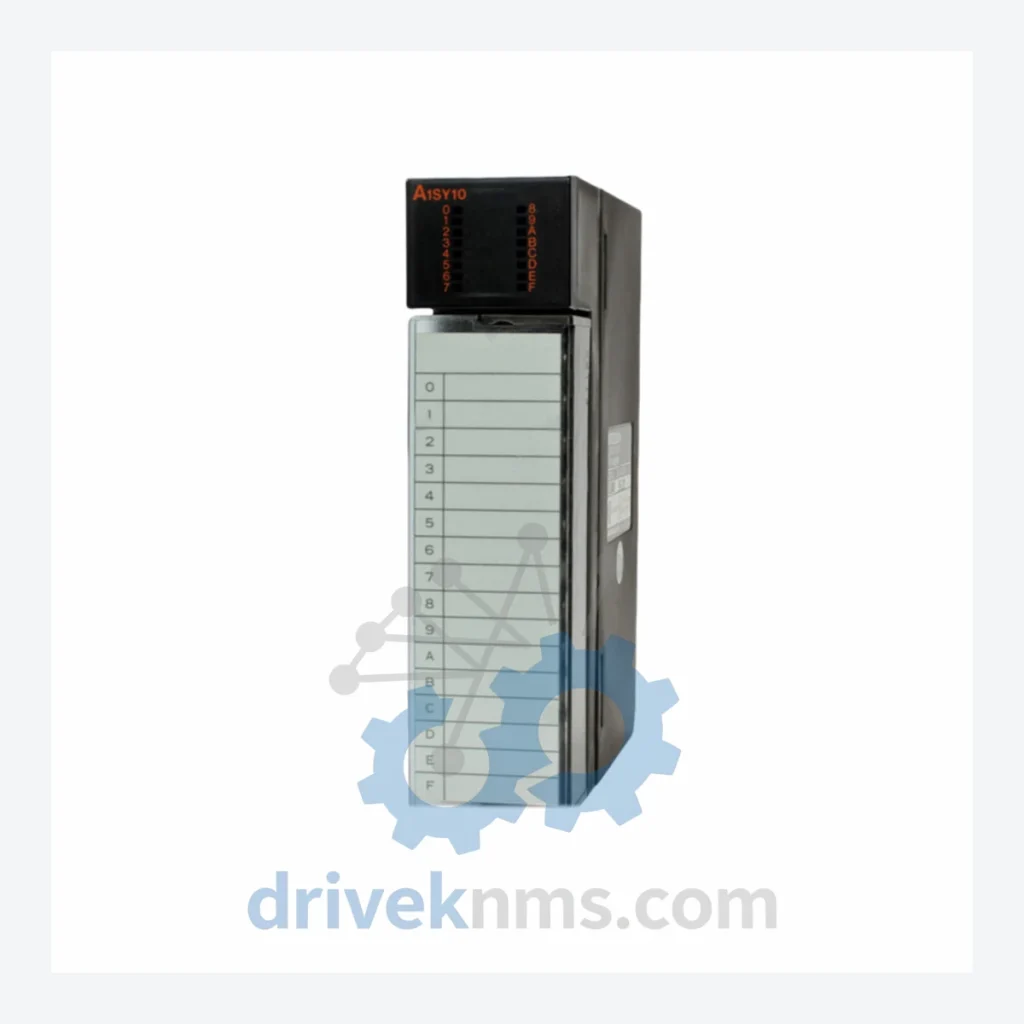
Model: A1SY10
Product Overview
Commercial availability is handled through direct RFQ, model verification and export-oriented follow-up rather than public cart checkout.
Datasheet Preview
Use attached product manuals when available. If the manual is not public yet, request the full file directly through RFQ.
Commercial Path
Product pages on DRIVEKNMS are designed to verify model, brand and series first, then move the buyer into one clean quotation path.
Technical Dossier
The Mitsubishi MELSEC-A Series is a modular programmable logic controller (PLC) platform developed by Mitsubishi Electric and deployed extensively across global heavy industry sectors including petrochemical plants, nuclear power facilities, steel mills, and oil refineries. Introduced in the early 1980s, the A Series established a standardized backplane bus architecture that enabled scalable I/O expansion through local and remote unit configurations. Its installed base remains substantial in legacy process control environments where system continuity and long-term spare parts availability are primary operational requirements. The A1S sub-family — compact, rack-mounted modules sharing a unified bus standard — represents the most widely deployed variant within this series globally.
The MELSEC-A Series architecture progressed through three distinct generations. The original A-Series (A2A, A3A) used a parallel bus backplane with proprietary inter-module communication, supporting up to 256 I/O points per base unit. The A1S sub-series introduced a compact form factor with a 5-slot and 9-slot base unit configuration, retaining full bus compatibility with the parent series while reducing panel footprint. Communication expansion was achieved through dedicated link modules (A1SJ71AP23Q, A1SJ71QLP23) supporting MELSECNET/B and MELSECNET/10 topologies.
Q: How are RFQ terms confirmed?
A: Quantity, required condition, documentation needs, destination and sourcing route are confirmed during RFQ review before quotation.
The following SKUs represent verified, commonly sourced modules within the MELSEC-A Series. Each entry reflects a distinct functional role within the system architecture.
CPU Modules
Digital Input (DI) Modules
A1SX10: 16-point DC input module, 24VDC, sink/source compatible, 10ms response time.
A1SX20: 16-point DC input module, 12/24VDC, isolated commons, 10ms response time.
A1SX30: 16-point AC input module, 100/110VAC, 50/60Hz, optically isolated inputs.
A1SX40: 16-point DC input module, 24VDC, high-speed 1ms response, interrupt-capable.
Digital Output (DO) Modules
A1SY10: 16-point transistor output module, 12/24VDC, 0.5A per point, sink output type, local unit configuration. This is the primary SKU for this listing.
A1SY18A: 8-point transistor output module, 12/24VDC, 0.5A per point, source output type.
A1SY28A: 16-point transistor output module, 24VDC, 0.1A per point, high-density source output.
A1SY40P: 16-point transistor output module, 12/24VDC, 0.5A per point, sink type with surge protection.
A1SY60: 16-point relay output module, 240VAC/24VDC, 2A per point, mechanical relay contacts.
Analog Modules
A1S62DA: 2-channel analog output, 12-bit resolution, 0–10V / 4–20mA selectable per channel.
A1S64AD: 4-channel analog input, 12-bit resolution, voltage/current input, high-speed conversion.
Communication & Network Modules
A1SJ71AP23Q: MELSECNET/B master/local station module, coaxial bus topology, 10Mbps.
A1SJ71QLP23: MELSECNET/10 optical loop module, 10Mbps, up to 64 stations per network.
MELSEC-A Series modules use a parallel backplane bus with strict timing and voltage tolerance requirements. Quality verification for these modules requires hardware-level testing beyond standard power-on checks. DriveKNMS applies the following test protocol to all A-Series units:
Continue The Model Path
Move from this exact model into the matching system hub, brand archive, model-family archive or lifecycle sourcing route before sending a final RFQ list.
Related Paths
Mitsubishi Electric A1S63P is listed for MELSEC-A RFQ review. Confirm quantity, condition and destination before quotation.
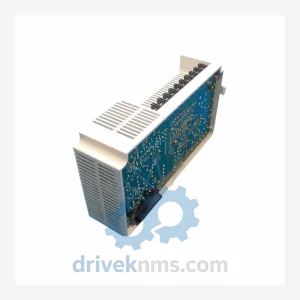
Mitsubishi Electric A8GT-PWTF is listed for MELSEC-A RFQ review. Confirm quantity, condition and destination before quotation.
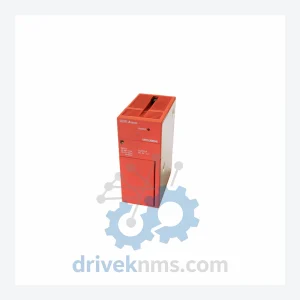
Mitsubishi Electric A1S61PN is listed for MELSEC-A RFQ review. Confirm quantity, condition and destination before quotation.