
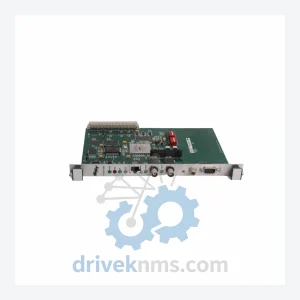
Molex 5136-CN-VME VMEbus Interface Module – Obsolete Industrial Spare Part
Molex 5136-CN-VME VMEbus Interface Module – Obsolete Spare Part, Limited Inventory When a VMEbus interface module fails in a legacy…
Model: PCU-DPI
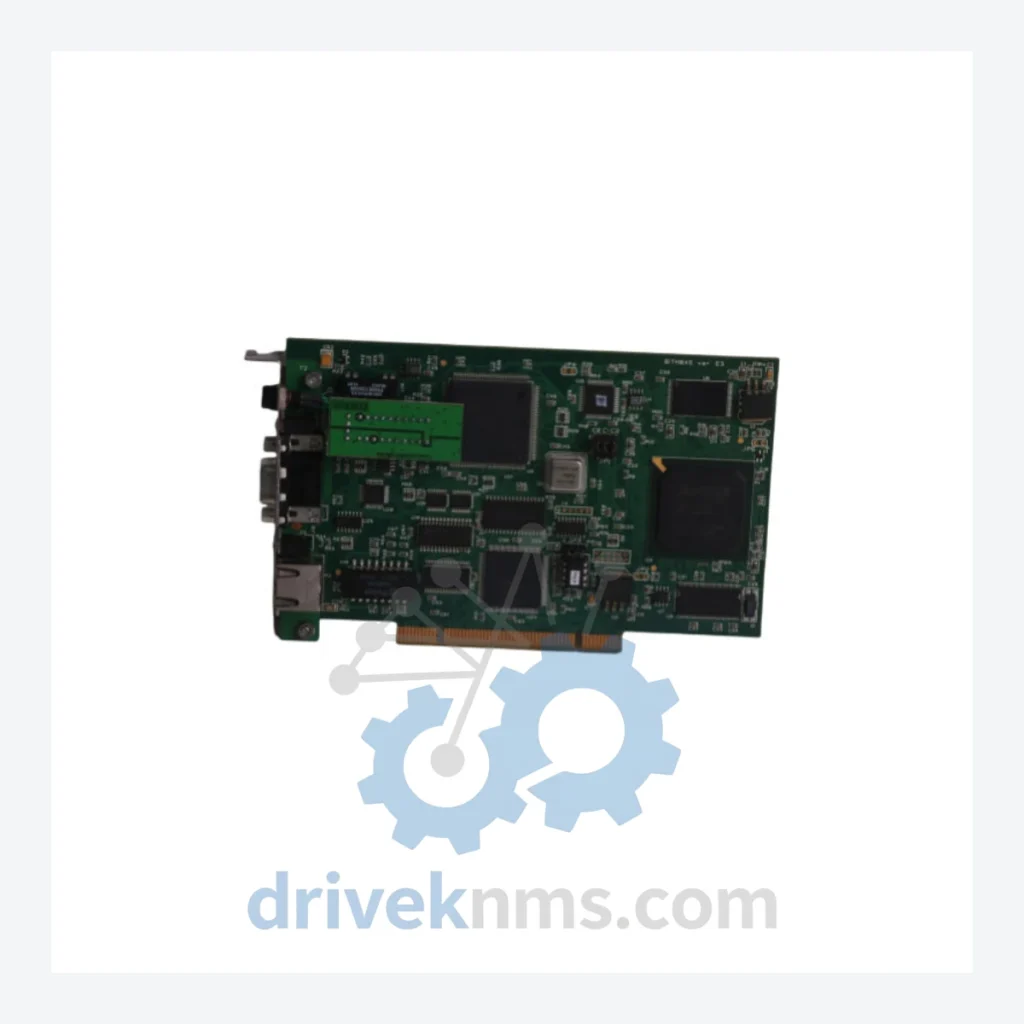
Product Overview
Commercial availability is handled through direct RFQ, model verification and export-oriented follow-up rather than public cart checkout.
Datasheet Preview
Use attached product manuals when available. If the manual is not public yet, request the full file directly through RFQ.
Commercial Path
Product pages on DRIVEKNMS are designed to verify model, brand and series first, then move the buyer into one clean quotation path.
Technical Dossier
The Molex PCU Series represents a well-established line of industrial interface and I/O modules deployed across heavy-process industries including petrochemical refining, nuclear power generation, offshore platforms, and large-scale chemical manufacturing. These modules serve as the backbone of distributed control system (DCS) architectures where deterministic communication, high channel density, and long-term field reliability are non-negotiable requirements. The PCU Series has accumulated significant installed base across North American and European process plants, making lifecycle support and spare parts availability a critical operational concern for maintenance engineers and procurement teams worldwide.
The Molex PCU Series was developed to address the integration demands of multi-vendor DCS environments, where field devices using DeviceNet, Profibus-DP, and proprietary backplane protocols needed a unified interface layer. Early PCU modules operated as passive protocol bridges with limited diagnostics capability. Subsequent hardware revisions introduced onboard microprocessors enabling active fault detection, configurable I/O mapping, and hot-swap support on compatible backplane chassis.
As industrial networks transitioned from proprietary fieldbus topologies toward Ethernet-based architectures (EtherNet/IP, PROFINET), the PCU Series faced compatibility challenges with newer host controllers. Molex addressed this through firmware updates and adapter modules, extending the operational lifespan of existing PCU installations. However, the core PCU hardware platform is now in a mature-to-end-of-life phase, meaning original equipment manufacturers have ceased active production on several sub-models. This makes third-party lifecycle support — including tested surplus stock and refurbished units — the primary sourcing channel for maintenance teams managing long-running plant assets.
The following SKUs represent verified models within the Molex PCU Series ecosystem, classified by functional category:
Interface & Communication Modules
Analog I/O Modules
Digital I/O Modules
Power Supply & Chassis Modules
DriveKNMS maintains a dedicated inventory program for Molex PCU Series components that have reached end-of-production status. Our sourcing network spans certified surplus distributors, decommissioned plant asset pools, and factory-refurbished stock channels across North America, Europe, and Asia-Pacific.
For PCU Series modules confirmed as discontinued by Molex, DriveKNMS provides: verified functional testing prior to shipment, traceability documentation for each unit, and engineering consultation on cross-reference alternatives where direct replacements are unavailable. Our team supports procurement teams operating under ISA-18.2 and IEC 61511 functional safety frameworks, where unplanned substitution of control system components requires documented equivalency assessment.
All PCU Series stock is held in ESD-controlled storage environments and shipped with anti-static packaging compliant with ANSI/ESD S20.20 standards.
PCU Series modules present specific test challenges due to their backplane-dependent communication architecture. Standalone bench testing is insufficient to validate DPI or PDP interface modules without a compatible host chassis. DriveKNMS operates a dedicated PCU test bench replicating the original Molex backplane environment, enabling full functional verification of communication handshake sequences, I/O channel mapping, and fault register behavior.
Each module processed through our facility undergoes: visual inspection for connector pin integrity and PCB contamination, powered-on self-test (POST) verification, channel-by-channel I/O functional test under load, communication protocol handshake validation (DeviceNet MAC ID assignment, Profibus-DP address configuration), and 48-hour burn-in cycle for refurbished units. Test records are retained and available upon request for quality audit purposes.
© 2026 DriveKNMS. All trademarks belong to their respective owners. Specifications are for reference only and subject to change without notice. Verify all parameters against official documentation before installation.
Related Paths
Molex 5136-CN-VME VMEbus Interface Module – Obsolete Spare Part, Limited Inventory When a VMEbus interface module fails in a legacy…
Molex PCIE2000ETH APP-EPB-PCIE Ethernet Adapter Card – Obsolete Industrial Spare Part When a PCIe Ethernet adapter card fails inside a…
Molex PCU-DPIO I/O Module – Obsolete PCU Series Spare Part When a general-purpose automation controller I/O module fails in a…