
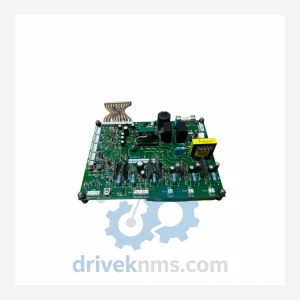
Yaskawa YPCT11065-1-3 Circuit Board – Obsolete Varispeed Series Spare Part
Yaskawa YPCT11065-1-3 Circuit Board – Obsolete Varispeed Series Spare Part When a circuit board like the YPCT11065-1-3 fails inside a…
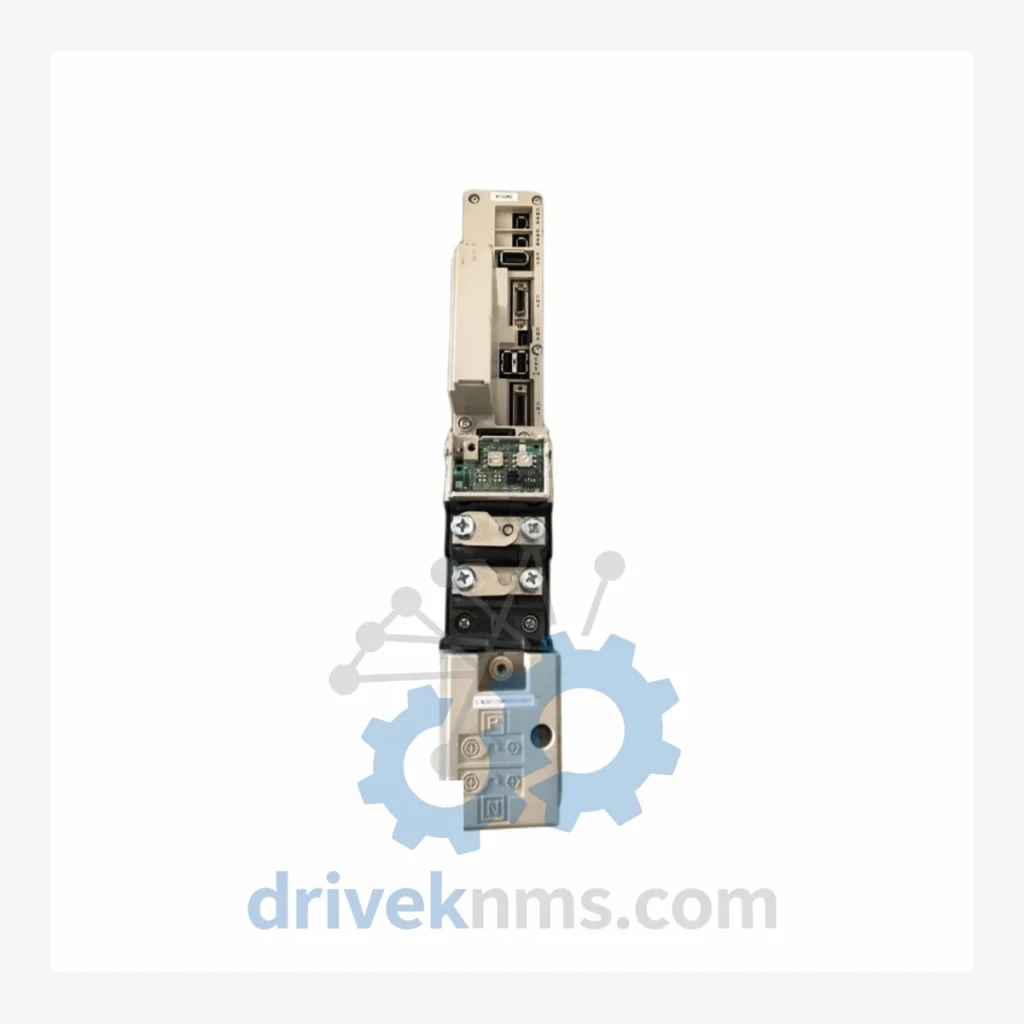
Model: CACR-JU036A2A
Product Overview
Commercial availability is handled through direct RFQ, model verification and export-oriented follow-up rather than public cart checkout.
Datasheet Preview
Use attached product manuals when available. If the manual is not public yet, request the full file directly through RFQ.
Commercial Path
Product pages on DRIVEKNMS are designed to verify model, brand and series first, then move the buyer into one clean quotation path.
Technical Dossier
The Yaskawa CACR-JU series represents a generation of analog-command AC servo drives engineered for precision motion control in continuous-process heavy industries. These units have been deployed extensively in chemical processing plants, petroleum refining facilities, nuclear power auxiliary systems, and large-scale manufacturing lines across Asia, Europe, and North America. The CACR-JU platform operates on Yaskawa's Σ (Sigma) servo architecture predecessor framework, providing torque, velocity, and position control via ±10 V analog reference inputs. Its robust design for 200 V and 400 V three-phase power classes made it a standard specification item for OEM machine builders and plant engineering contractors throughout the 1990s and early 2000s. Installed base density remains high in facilities with long equipment replacement cycles, making spare parts availability a critical operational concern for maintenance engineers and procurement teams.
The CACR-JU series was introduced as part of Yaskawa's transition from DC servo technology to brushless AC servo systems. Early variants in the CACR-JU lineup used discrete analog control boards with separate encoder interface cards, requiring careful matching of drive and motor combinations. Mid-generation units integrated the encoder feedback processing onto a single control PCB, reducing wiring complexity and improving noise immunity in electrically harsh industrial environments.
The series spans capacity ratings from small-frame units (under 1 kW) used in indexing and positioning axes, up to large-frame units (several kW) used in main spindle and heavy-load feed axis applications. Compatibility between CACR-JU drives and their paired SGMG, SGMD, and SGMS series servo motors is strictly defined by motor capacity code and encoder type — substitution outside the specified pairing matrix will result in tuning failure or hardware fault.
As the CACR-JU series has reached end-of-manufacture status, Yaskawa's current replacement platforms include the Σ-7 (SGDV / SGD7S) and Σ-V (SGDV) series, which offer EtherCAT, MECHATROLINK-III, and analog interface options. Direct drop-in replacement is not possible without motor re-pairing and parameter re-commissioning. For facilities unable to undertake full drive replacement projects, lifecycle extension through refurbished CACR-JU units remains the most cost-effective maintenance strategy.
The following SKUs represent verified models within the Yaskawa CACR-JU series. Units are classified by capacity and voltage class. Each model is matched to a specific motor frame and encoder specification.
CACR-JU036A2A: 3.6 A rated, 200 V class, analog command AC servo amplifier, single-axis
CACR-JU036A3A: 3.6 A rated, 400 V class, analog input, heavy-duty industrial frame
CACR-JU055A2A: 5.5 A rated, 200 V class, velocity/torque control, standard encoder I/F
CACR-JU055A3A: 5.5 A rated, 400 V class, three-phase input, process industry variant
CACR-JU075A2A: 7.5 A rated, 200 V class, mid-frame servo amplifier, SGMG motor pair
CACR-JU075A3A: 7.5 A rated, 400 V class, analog ±10 V reference, DIN-rail mountable
CACR-JU110A2A: 11.0 A rated, 200 V class, high-inertia load compensation, SGMD pair
CACR-JU110A3A: 11.0 A rated, 400 V class, large-frame, refinery/chemical plant spec
CACR-JU150A2A: 15.0 A rated, 200 V class, heavy-axis drive, position control capable
CACR-JU150A3A: 15.0 A rated, 400 V class, three-phase 380–480 V input range
CACR-JU200A2A: 20.0 A rated, 200 V class, large servo amplifier, SGMS motor series
CACR-JU200A3A: 20.0 A rated, 400 V class, high-power axis, continuous duty rated
CACR-JU300A2A: 30.0 A rated, 200 V class, maximum frame size, spindle-class output
CACR-JU300A3A: 30.0 A rated, 400 V class, three-phase heavy industrial, long-run duty
CACR-JU036A2B: 3.6 A, 200 V class, B-suffix variant with modified regenerative resistor spec
CACR-JU055A2B: 5.5 A, 200 V class, B-suffix, enhanced braking resistor configuration
CACR-JU075A2B: 7.5 A, 200 V class, B-suffix, updated control board revision
The CACR-JU series has been discontinued by Yaskawa and is no longer available through authorized distribution channels. Lead times through standard industrial distributors are indefinite. DriveKNMS maintains a dedicated inventory of refurbished and tested CACR-JU units sourced from decommissioned equipment, plant shutdowns, and OEM overstock globally.
For procurement teams managing aging servo systems, DriveKNMS provides: verified-functional refurbished units with documented test records; emergency same-week dispatch for critical production downtime situations; cross-reference matching service to identify compatible substitute models where direct replacements are unavailable; and long-term consignment stocking agreements for facilities with recurring CACR-JU demand.
CACR-JU drives contain multi-layer analog control PCBs, dedicated encoder signal conditioning circuits, and IGBT power stages that require systematic validation before dispatch. DriveKNMS applies the following test protocol to all CACR-JU units:
Power Stage Verification: DC bus capacitance measurement, IGBT gate drive signal integrity check, and inrush current limiting circuit continuity test. Control Board Functional Test: Analog reference input linearity verification across ±10 V range, speed feedback signal processing validation, and fault relay output confirmation. Encoder Interface Test: Incremental encoder signal simulation at rated line frequency, phase alignment verification, and Z-pulse detection confirmation. Dynamic Load Simulation: Motor emulator load test at 25%, 50%, and 100% rated current to confirm torque linearity and thermal stability. Parameter Retention Check: Factory default parameter set verification and EEPROM write/read cycle test. Each unit is issued a test report documenting pass/fail status per test category prior to packaging.
© 2026 DriveKNMS. All trademarks belong to their respective owners. Specifications are for reference only and subject to change without notice. Verify all parameters against official documentation before installation.
Related Paths
Yaskawa YPCT11065-1-3 Circuit Board – Obsolete Varispeed Series Spare Part When a circuit board like the YPCT11065-1-3 fails inside a…
Yaskawa YPHT11014-1A Circuit Board – Obsolete Drive Control Spare Part When a Yaskawa YPHT11014-1A circuit board fails in a production…
Yaskawa SGMG Series: Comprehensive Module Range and Technical Overview The Yaskawa SGMG series represents one of the most widely deployed…