
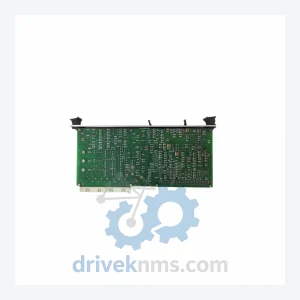
Yokogawa K9634DA-01 TCD Card Modules
Yokogawa K9634DA-01 is listed for Servo Drives RFQ review. Confirm quantity, condition and destination before quotation.
RFQ-ready industrial model
Model: ADM55 S1
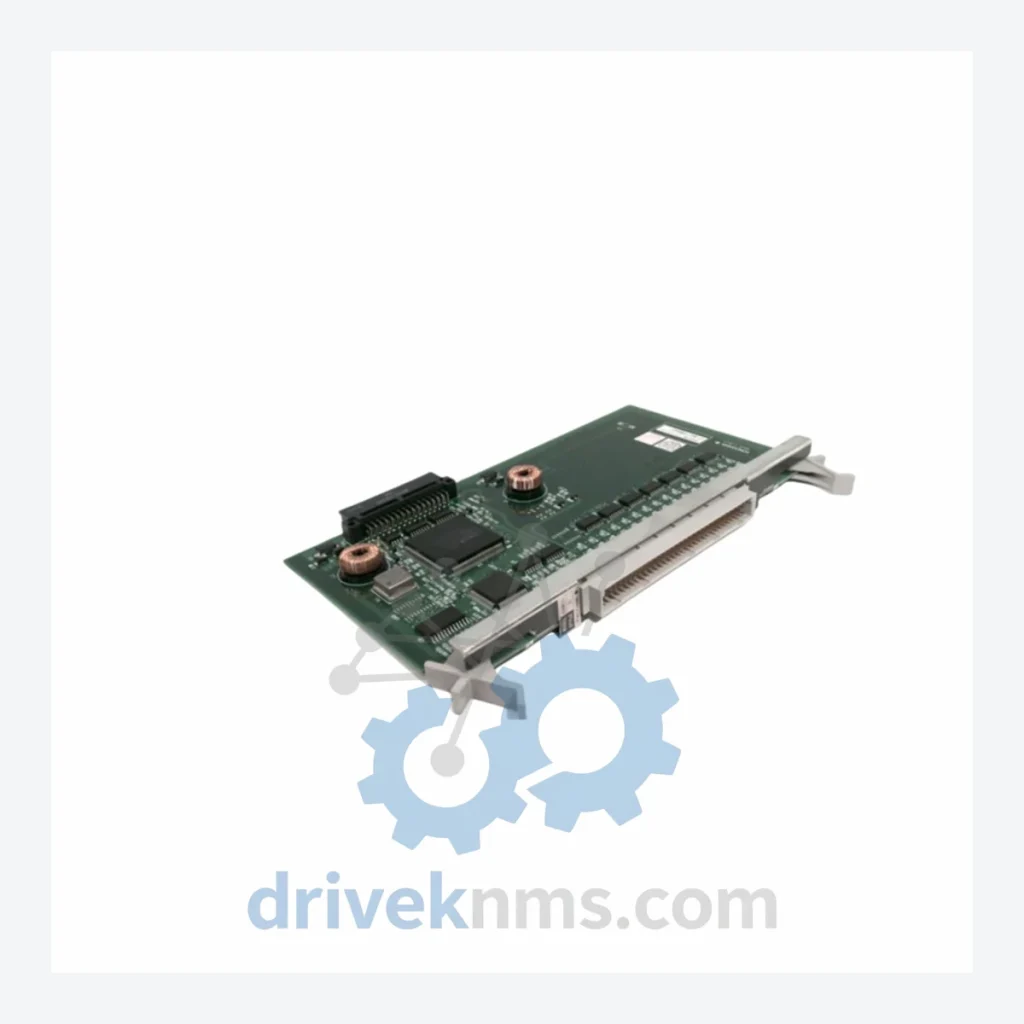
Product Overview
Commercial availability is handled through direct RFQ, model verification and export-oriented follow-up rather than public cart checkout.
Datasheet Preview
Use attached product manuals when available. If the manual is not public yet, request the full file directly through RFQ.
Commercial Path
Product pages on DRIVEKNMS are designed to verify model, brand and series first, then move the buyer into one clean quotation path.
Technical Dossier
The ADM55 series emerged as part of Yokogawa's CENTUM platform expansion during the late 1990s and early 2000s, a period when DCS vendors were transitioning from proprietary backplane buses to more modular, card-based architectures. Early ADM55 variants were designed for tight integration with CENTUM CS and CENTUM CS 3000 environments, using a dedicated high-speed internal bus that prioritized deterministic scan cycle performance over open-protocol flexibility.
As industrial automation evolved toward fieldbus and Ethernet-based communication (FOUNDATION Fieldbus, HART, Profibus DP), Yokogawa introduced successive ADM55 sub-variants with enhanced communication stacks while maintaining physical and electrical backward compatibility with existing field wiring. This design philosophy allowed facilities to upgrade control logic and firmware without rewiring field devices — a critical consideration in hazardous-area installations where cable replacement carries significant cost and safety review requirements.
By the mid-2010s, the ADM55 series entered the mature/end-of-active-production phase as Yokogawa's CENTUM VP platform introduced next-generation I/O modules with higher channel density and integrated safety certification (IEC 61511). However, the ADM55 remains in service at thousands of installations globally, and Yokogawa's extended lifecycle support policy, combined with third-party spare parts suppliers such as DriveKNMS, ensures continued availability of replacement boards for facilities not yet scheduled for full DCS migration.
The following SKUs represent verified, commonly referenced modules within the Yokogawa ADM55 and closely associated CENTUM DCS board series. Modules are classified by functional category:
Analog Input / Signal Conditioning Boards
Analog Output Boards
Digital Input / Output Modules
Communication & CPU Boards
Power Supply Modules
ADM55 PC boards present specific quality verification challenges due to their multi-layer PCB construction, proprietary backplane bus connectors, and firmware-dependent initialization sequences. DriveKNMS applies the following test protocol to all ADM55 series boards prior to shipment:
Continue The Model Path
Move from this exact model into the matching system hub, brand archive, model-family archive or lifecycle sourcing route before sending a final RFQ list.
Related Paths
Yokogawa K9634DA-01 is listed for Servo Drives RFQ review. Confirm quantity, condition and destination before quotation.
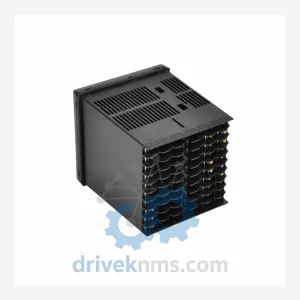
Yokogawa UT350 UT350-01 is listed for Servo Drives RFQ review. Confirm quantity, condition and destination before quotation.
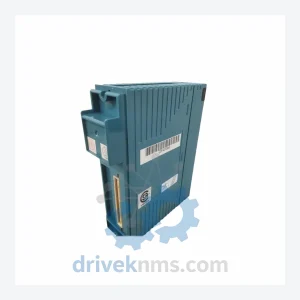
Yokogawa NFDR541-P00 S2 is listed for Servo Drives RFQ review. Confirm quantity, condition and destination before quotation.