
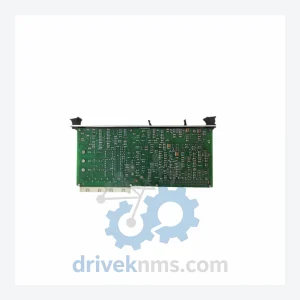
Yokogawa K9634DA-01 TCD Card Modules
Yokogawa K9634DA-01 is listed for Servo Drives RFQ review. Confirm quantity, condition and destination before quotation.
RFQ-ready industrial model
Model: AMM42T S2
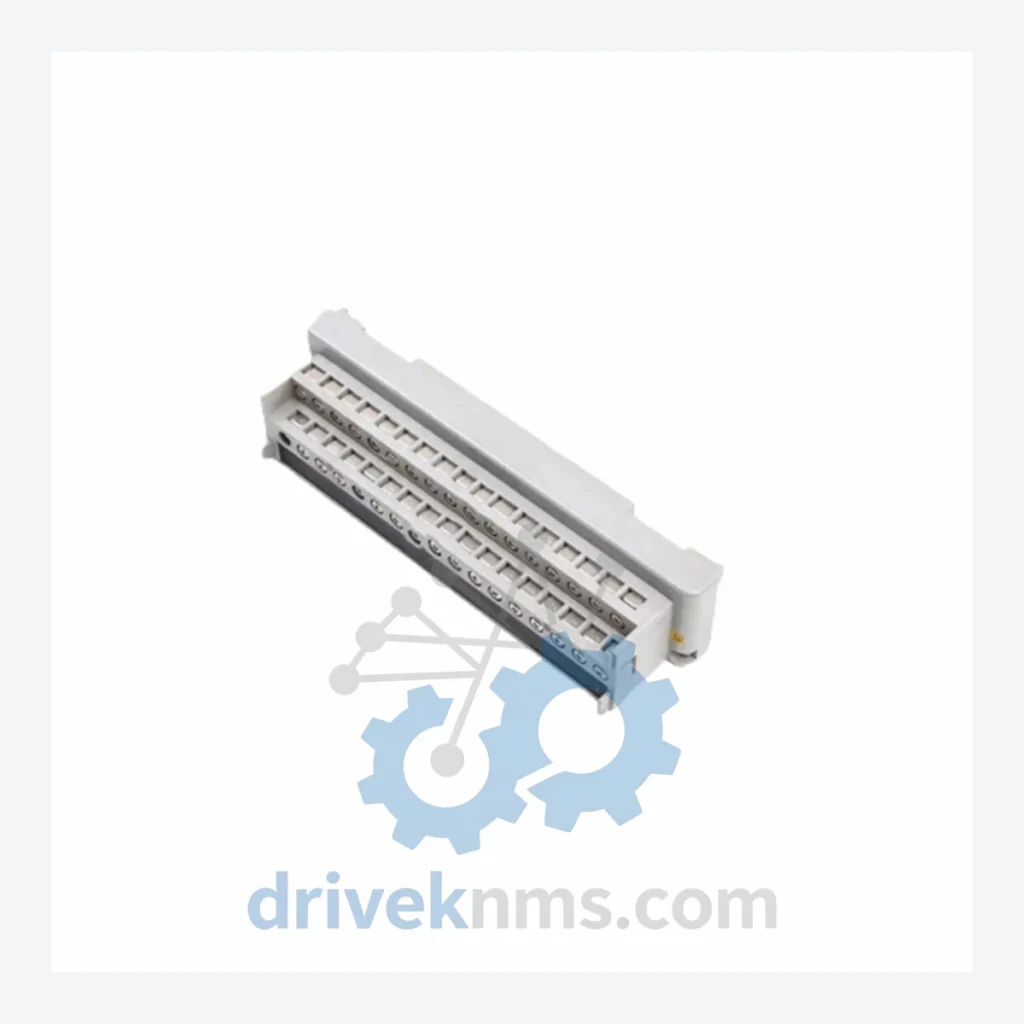
Product Overview
Commercial availability is handled through direct RFQ, model verification and export-oriented follow-up rather than public cart checkout.
Datasheet Preview
Use attached product manuals when available. If the manual is not public yet, request the full file directly through RFQ.
Commercial Path
Product pages on DRIVEKNMS are designed to verify model, brand and series first, then move the buyer into one clean quotation path.
Technical Dossier
The Yokogawa AMM (Analog Multiplexer Module) series is a core I/O component family deployed across Yokogawa's CENTUM CS 3000 and CENTUM VP distributed control systems. These modules are embedded in mission-critical process control infrastructure at petrochemical complexes, LNG terminals, nuclear power facilities, and large-scale refinery operations worldwide. The AMM series handles analog signal multiplexing — converting multiple field-level analog inputs into a format the DCS controller can process — making each module a structural dependency within the control loop architecture. A single failed AMM module can disable an entire I/O cluster, triggering unplanned shutdowns that cost facilities tens of thousands of dollars per hour. The installed base of CENTUM CS 3000 systems globally remains substantial, and many plants operating on 15–25 year asset lifecycles have no near-term plans for full DCS migration. For these facilities, maintaining a reliable supply of AMM series spare parts is not optional — it is a direct operational risk management requirement.
The AMM series was introduced as part of Yokogawa's CENTUM CS 3000 platform, which launched in the late 1990s as a successor to the CENTUM XL and CENTUM-V systems. The architecture is built around a field control station (FCS) bus structure, where I/O modules communicate via a dedicated internal bus to the field control unit (FCU). Early AMM modules operated under strict firmware version dependencies tied to the FCS generation — cross-generation substitution without firmware alignment would result in bus communication faults.
As Yokogawa transitioned to CENTUM VP (introduced circa 2008), the AMM module form factor was largely retained for backward compatibility, but internal firmware and bus protocol handling were updated. This means that AMM modules sourced for CS 3000 installations must be verified for firmware revision compatibility before deployment. The S2 suffix designation on modules such as the AMM42T S2 indicates a second-generation hardware revision with updated signal conditioning circuitry. Plants running original S1-generation FCS hardware must confirm compatibility before substituting S2 modules. Yokogawa has formally discontinued active production of several AMM variants, shifting support to CENTUM VP-native I/O families. However, no direct plug-in replacement exists for legacy CS 3000 installations without a full I/O subsystem re-engineering project — a cost that routinely exceeds USD 500,000 per field control station.
The following SKUs represent the primary AMM series modules documented across Yokogawa CENTUM CS 3000 and CENTUM VP installations. All models are analog multiplexer or analog input variants unless otherwise noted.
Analog Multiplexer / Analog Input Modules:
Note: SKU availability varies by hardware revision and firmware generation. Contact DriveKNMS to confirm compatibility with your specific FCS configuration before ordering.
For facilities facing DCS retirement pressure but unable to fund a full migration within the current budget cycle, maintaining a 2–3 unit buffer of critical AMM modules per FCS node is a documented low-cost strategy to extend operational asset life by 5–10 years. The cost of three AMM spare modules is typically less than 0.5% of the engineering cost of a full I/O subsystem replacement.
AMM series modules present specific reliability challenges due to their age profile and the complexity of their analog signal conditioning circuitry. DriveKNMS applies a structured inspection protocol to all AMM modules prior to dispatch:
Continue The Model Path
Move from this exact model into the matching system hub, brand archive, model-family archive or lifecycle sourcing route before sending a final RFQ list.
Related Paths
Yokogawa K9634DA-01 is listed for Servo Drives RFQ review. Confirm quantity, condition and destination before quotation.
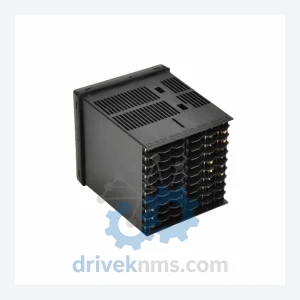
Yokogawa UT350 UT350-01 is listed for Servo Drives RFQ review. Confirm quantity, condition and destination before quotation.
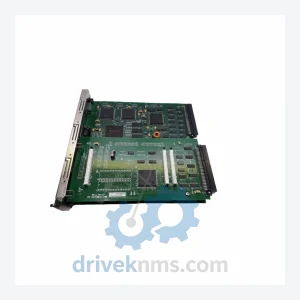
Yokogawa S9943AL S9943AL-0 is listed for CENTUM Series RFQ review. Confirm quantity, condition and destination before quotation.