
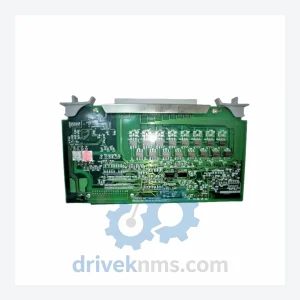
YOKOGAWA AMM21 S2 PCB Board – Analog Monitor Module
Yokogawa AMM21 S2 is listed for Monitoring Systems RFQ review. Confirm quantity, condition and destination before quotation.
RFQ-ready industrial model
Model: AMM52T S2
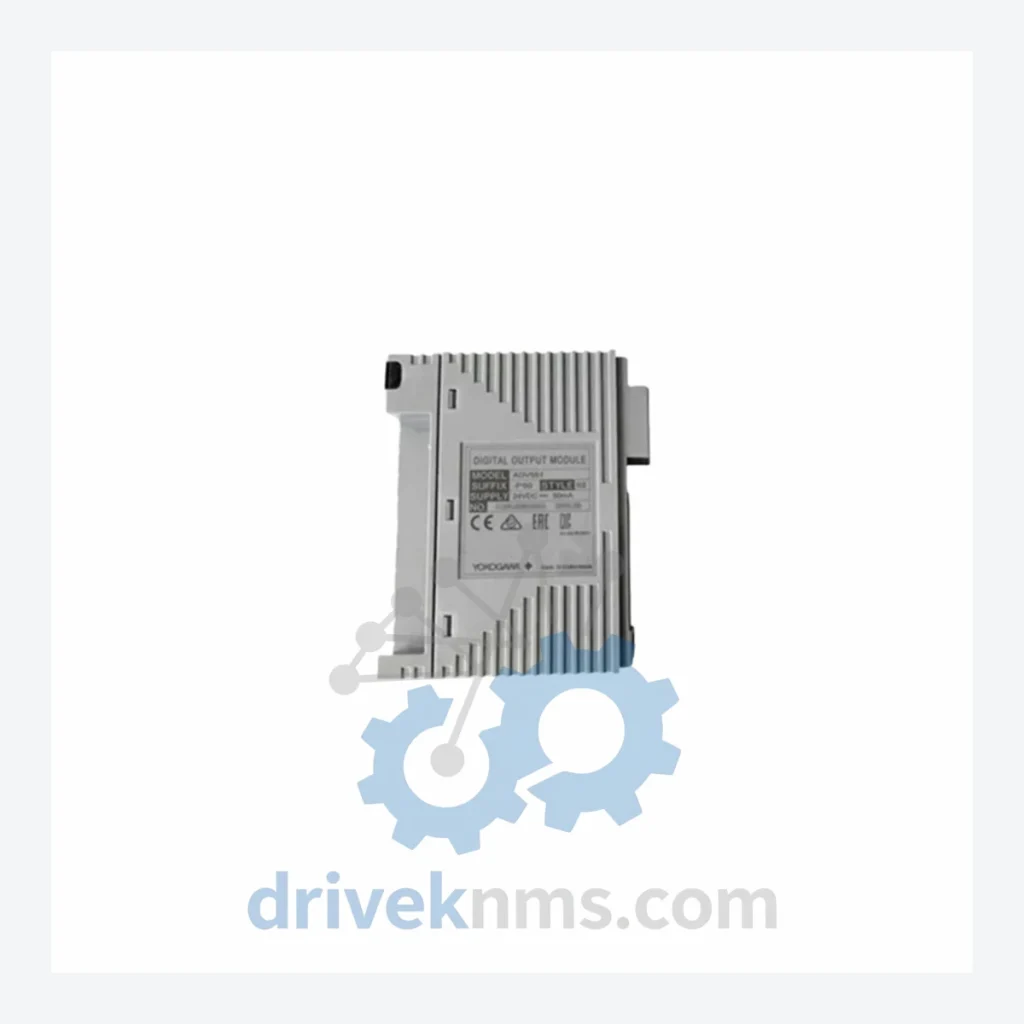
Product Overview
Commercial availability is handled through direct RFQ, model verification and export-oriented follow-up rather than public cart checkout.
Datasheet Preview
Use attached product manuals when available. If the manual is not public yet, request the full file directly through RFQ.
Commercial Path
Product pages on DRIVEKNMS are designed to verify model, brand and series first, then move the buyer into one clean quotation path.
Technical Dossier
The Yokogawa AMM52 series comprises analog output multiplexer modules deployed within the CENTUM CS 3000 and CENTUM VP distributed control systems (DCS). These platforms hold a dominant installed base across global heavy industry sectors including petroleum refining, petrochemical complexes, LNG terminals, nuclear power generation auxiliary systems, and large-scale chemical manufacturing. The AMM52 series functions as the interface layer between the DCS controller and field-mounted current-driven actuators (control valves, positioners, variable-speed drives), converting digital setpoint signals into 4–20 mA analog output channels. A single AMM52 node multiplexes multiple output channels through a shared backplane bus, reducing cabinet footprint and wiring density in high-channel-count installations. The AMM52T S2 variant incorporates terminal-type field wiring termination and represents the second-generation revision of the AMM52 hardware platform, with enhanced EMC tolerance and revised firmware for compatibility with CENTUM VP R6.x and later software releases.
The AMM52 lineage originates from Yokogawa's CENTUM CS 3000 platform, introduced in the late 1990s as a successor to the CENTUM-XL and CENTUM CS architectures. Early AMM52 units (Suffix S1) operated under the RIO (Remote I/O) bus protocol native to CS 3000, with 16-channel analog output capacity per module and a dedicated field terminal unit (FTU) for marshalling. The transition to Suffix S2 coincided with the CENTUM VP platform launch (circa 2008), introducing backward-compatible firmware that allowed AMM52 S2 modules to operate in both CS 3000 and VP field control stations (FCS) without hardware modification, provided the FCS firmware was at a compatible revision level.
The AMM52 architecture uses a dual-redundancy-capable design: modules can be paired in 1:1 redundant configurations where the standby module monitors the active module's output register and assumes control within one scan cycle upon fault detection. This architecture is critical for continuous-process industries where actuator signal loss causes process upsets. Later revisions introduced HART pass-through capability on select channel pairs, enabling field device diagnostics without dedicated HART multiplexers. As CENTUM VP has itself entered a mature lifecycle phase (with CENTUM VP R6 being the current long-term support release as of 2026), AMM52 S2 modules are now classified as mature/sustaining products — Yokogawa continues to supply them but no further hardware revisions are planned. End-users operating CS 3000 systems should note that CS 3000 reached end-of-active-development; AMM52 S1 units are fully discontinued and must be sourced from the secondary market.
The following SKUs represent the verified AMM52 series module range across CENTUM CS 3000 and CENTUM VP platforms. Modules are classified by function and termination type.
Analog Output Multiplexer Modules — Terminal Type (T Suffix)
Analog Output Multiplexer Modules — Connector Type (C Suffix)
Associated Field Terminal Units (FTU) — AMM52 Compatible
Redundancy & Bus Interface Modules — AMM52 Ecosystem
AMM52 modules present specific test challenges due to their multiplexed analog output architecture and RIO bus communication dependency. DriveKNMS applies the following test protocol to all AMM52 units prior to dispatch:
Continue The Model Path
Move from this exact model into the matching system hub, brand archive, model-family archive or lifecycle sourcing route before sending a final RFQ list.
Related Paths
Yokogawa AMM21 S2 is listed for Monitoring Systems RFQ review. Confirm quantity, condition and destination before quotation.
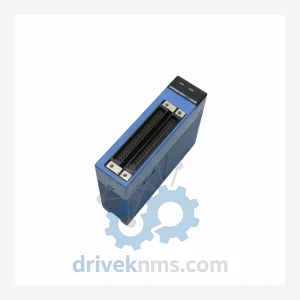
Yokogawa F3XP02-0H is listed for Monitoring Systems RFQ review. Confirm quantity, condition and destination before quotation.
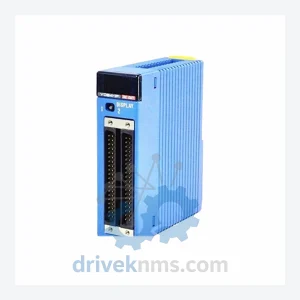
Yokogawa F3CR04-ON is listed for FA-M3 RFQ review. Confirm quantity, condition and destination before quotation.