
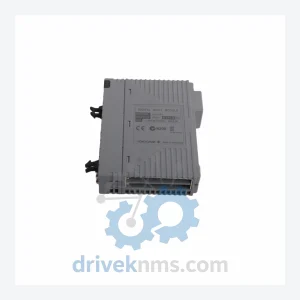
Yokogawa ADV161-P50 S2 Digital Input Module – Obsolete CENTUM VP Spare Part
Yokogawa ADV161-P50 S2 is listed for CENTUM VP RFQ review. Confirm quantity, condition and destination before quotation.
RFQ-ready industrial model
Model: F3AD04-0N F3AD04-ON
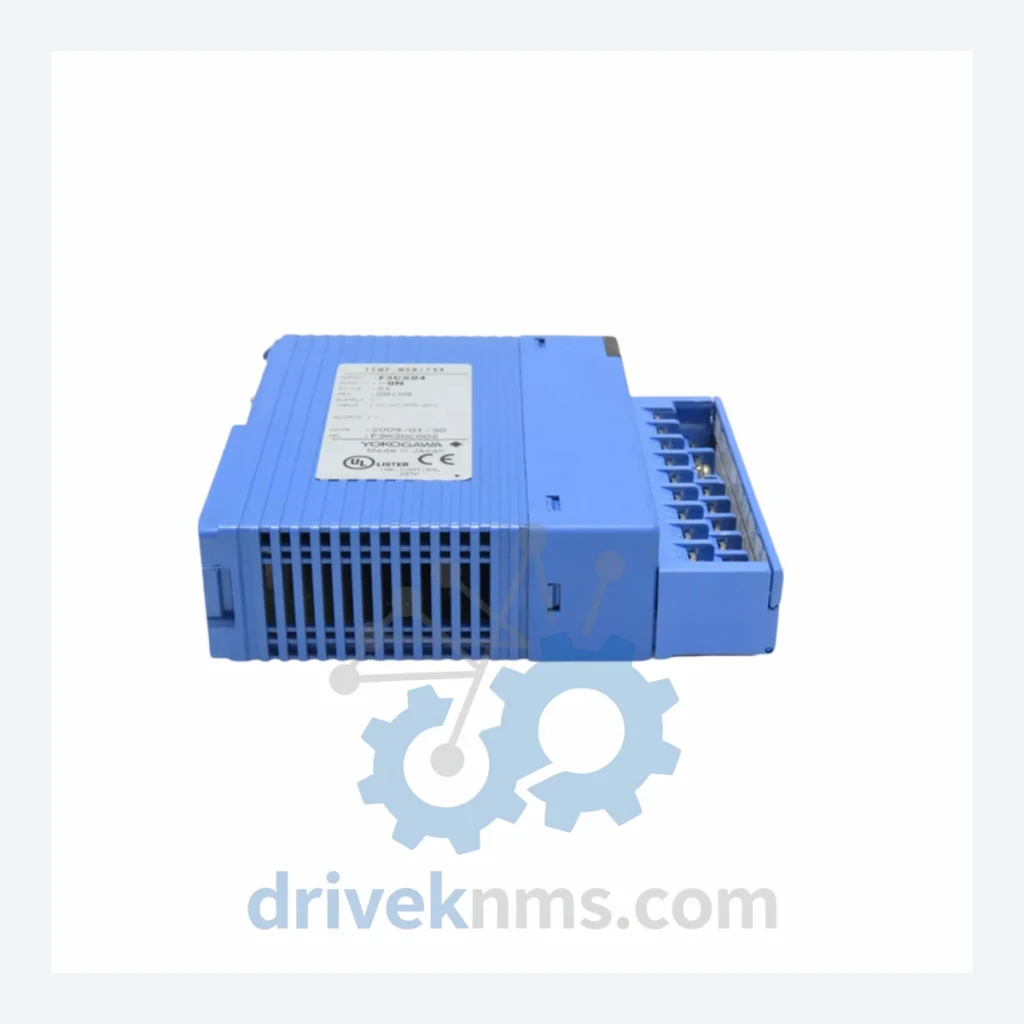
Product Overview
Commercial availability is handled through direct RFQ, model verification and export-oriented follow-up rather than public cart checkout.
Datasheet Preview
Use attached product manuals when available. If the manual is not public yet, request the full file directly through RFQ.
Commercial Path
Product pages on DRIVEKNMS are designed to verify model, brand and series first, then move the buyer into one clean quotation path.
Technical Dossier
The Yokogawa FA-M3 F3AD series represents a core analog signal processing layer within Yokogawa's FA-M3 Range-free Multi-controller platform. Deployed across global heavy industry sectors — including petrochemical complexes, nuclear power auxiliary systems, crude oil refineries, pulp and paper mills, and pharmaceutical batch processing facilities — the F3AD series provides deterministic analog input/output handling within the FA-M3 backplane architecture. The series is engineered for continuous 24/7 operation in Class I industrial environments, with module-level isolation and configurable signal ranges (4–20 mA, 0–10 V, ±10 V, thermocouple, RTD depending on variant). Its slot-based installation into the FA-M3 base unit (F3BU series) allows mixed-module configurations without dedicated wiring racks, a design principle that reduced panel footprint in installations at facilities such as LNG terminals and power generation substations across Asia-Pacific and the Middle East.
The FA-M3 platform was introduced by Yokogawa in the mid-1990s as a successor to the FACTORY ACE series, targeting mid-scale process automation where a full DCS deployment was cost-prohibitive. The F3AD analog module family evolved through three identifiable generations. The first generation (F3AD02/F3AD04 variants with -0N suffix) established the 4-channel and 8-channel analog I/O baseline with 12-bit resolution and RS-422 backplane communication. The second generation introduced 16-bit resolution variants and expanded the channel density to 16 and 32 points per slot, reducing per-channel cost in high-density applications. The third generation, aligned with the FA-M3R (Range-free) architecture revision, added dual-port Ethernet CPU compatibility and enhanced EMC compliance to IEC 61000-4 standards.
Compatibility across generations is constrained by base unit revision: F3BU04-0N and F3BU16-0N base units support all F3AD variants, while older F3BU02 units are limited to first-generation modules. Firmware version dependencies between CPU modules (F3SP series) and analog I/O modules must be verified against Yokogawa's compatibility matrix (document IM 34M06H11-01E) before substitution in live systems. This is a critical consideration for maintenance engineers sourcing replacement modules for legacy installations where the CPU cannot be upgraded.
Analog Input Modules (AI)
Analog Output Modules (AO)
Analog Mixed / Combination Modules
Thermocouple / RTD Input Modules
The FA-M3 platform entered its mature/sustaining lifecycle phase circa 2015, with Yokogawa transitioning new project recommendations toward the STARDOM FCN/FCJ and ProSafe-RS platforms. However, the installed base of FA-M3 systems in refinery and chemical plant environments remains substantial, with documented installations operating beyond 20-year service horizons. Yokogawa's official end-of-sale notifications for specific F3AD variants (including F3AD04-0N and F3AD08-0N) have been issued in select regions, creating sourcing pressure for maintenance teams operating under long-term service agreements.
FA-M3 analog modules incorporate a multi-layer backplane bus architecture that requires functional validation beyond basic power-on testing. DriveKNMS applies a structured test protocol specific to the F3AD series:
Continue The Model Path
Move from this exact model into the matching system hub, brand archive, model-family archive or lifecycle sourcing route before sending a final RFQ list.
Related Paths
Yokogawa ADV161-P50 S2 is listed for CENTUM VP RFQ review. Confirm quantity, condition and destination before quotation.
Yokogawa K9634DA-01 is listed for Servo Drives RFQ review. Confirm quantity, condition and destination before quotation.
Yokogawa S9332AL-0 S9330AL-03 is listed for Servo Drives RFQ review. Confirm quantity, condition and destination before quotation.