
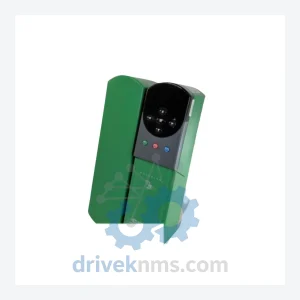
Control Techniques UNI2402 AC Drive – Obsolete Unidrive Spare Part
Control Techniques UNI2402 is listed for Unidrive RFQ review. Confirm quantity, condition and destination before quotation.
RFQ-ready industrial model
Model: UNI2401
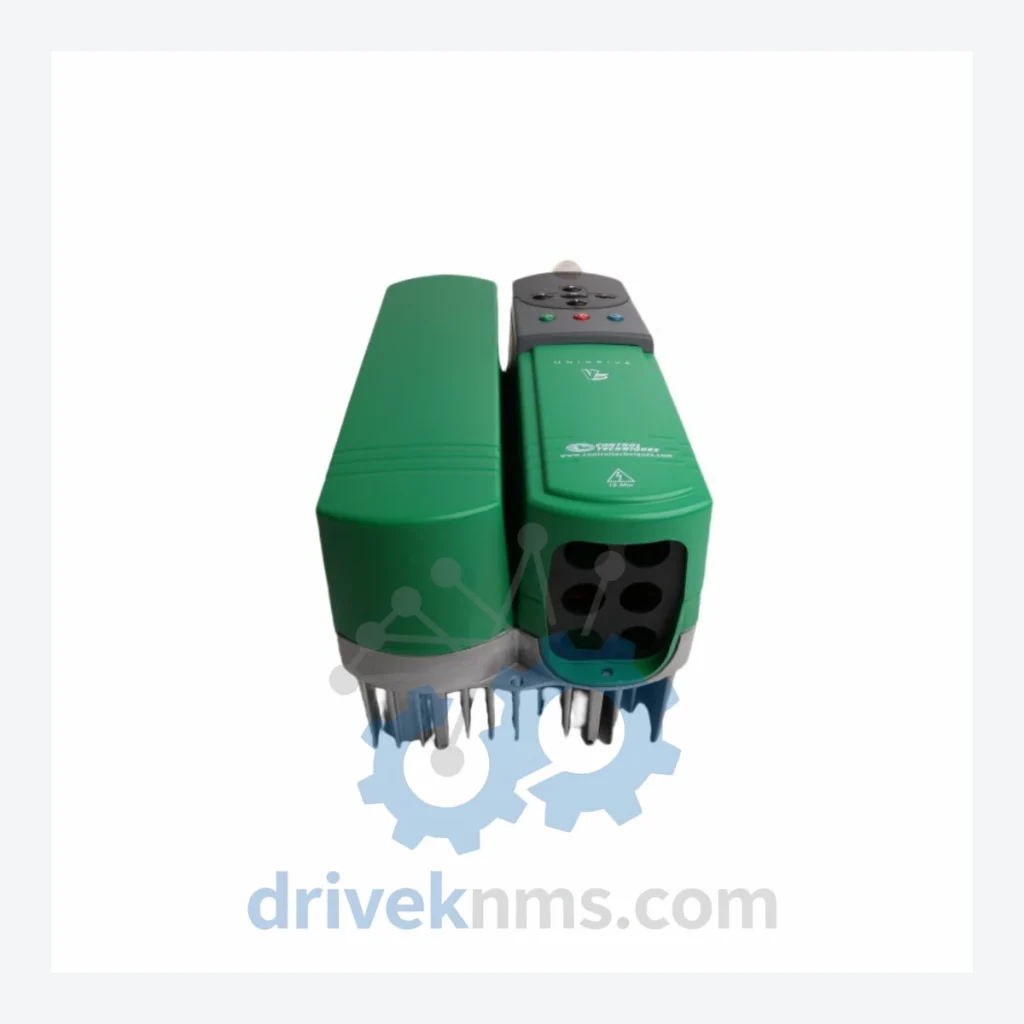
Product Overview
Commercial availability is handled through direct RFQ, model verification and export-oriented follow-up rather than public cart checkout.
Datasheet Preview
Use attached product manuals when available. If the manual is not public yet, request the full file directly through RFQ.
Commercial Path
Product pages on DRIVEKNMS are designed to verify model, brand and series first, then move the buyer into one clean quotation path.
Technical Dossier
When a UNI2401 drive fails on the production floor, the clock starts immediately. A full line upgrade — new PLC architecture, rewiring, recommissioning, operator retraining — routinely runs into the hundreds of thousands of dollars, and that figure does not include lost production revenue during the transition window. For plant managers operating legacy Unidrive-based systems, the calculus is straightforward: a single verified spare part is not a maintenance cost. It is capital asset protection.
DriveKNMS maintains sourced inventory of the Control Techniques UNI2401 specifically to serve facilities that cannot afford the disruption of a forced platform migration. This is not a commodity listing. Availability is finite and not guaranteed to be replenished.
RFQ support for obsolete parts: Send the model number, required quantity and destination so DriveKNMS can confirm sourcing options before quotation.
| Parameter | Detail |
|---|---|
| Manufacturer | Control Techniques (Emerson Industrial Automation) |
| Model / Part Number | UNI2401 |
| Series | Unidrive Classic |
| Drive Type | AC Variable Speed Drive (VSD / VFD) |
| Country of Origin | United Kingdom |
| Discontinuation Status | Obsolete – No longer manufactured or supported by OEM |
| Compatible Legacy Systems | Control Techniques Unidrive Classic platform; commonly integrated with Siemens S5/S7 PLC networks and GE Fanuc Series 90 automation architectures |
| Electrical Parameters | Please contact DriveKNMS for confirmed specification sheet. Parameters vary by sub-variant; no unverified data is published here. |
The Unidrive Classic series was a workhorse of industrial automation through the 1990s and 2000s. Thousands of units remain embedded in paper mills, water treatment facilities, mining conveyors, and chemical processing lines worldwide. Control Techniques formally discontinued the Classic platform, and OEM support — including firmware, replacement boards, and technical documentation — has been withdrawn.
For facilities running multiple Unidrive Classic units across a site, the risk is compounded. A single-point failure on one drive can cascade into a full production halt if no spare is held on-site. Procurement teams that have not yet addressed this exposure are operating with an unquantified liability on the balance sheet.
DriveKNMS focuses specifically on this segment of the market. Our sourcing network covers decommissioned industrial sites, OEM surplus channels, and verified secondary market suppliers across Europe and Asia. The UNI2401 units we hold have been physically inspected before listing.
Obsolete drive procurement carries inherent risk. Component aging, improper storage, and undisclosed prior faults are the primary failure modes in the secondary market. DriveKNMS applies a structured five-step inspection protocol to every Unidrive Classic unit processed through our facility:
Step 1 – Visual and Mechanical Inspection: Enclosure integrity, terminal block condition, and fan assembly check. Units with physical damage to the power stage or control board are rejected at this stage.
Step 2 – Electrolytic Capacitor Assessment: DC bus capacitors and filter capacitors are the primary aging components in drives of this vintage. Each unit is assessed for capacitor bulge, leakage, and ESR deviation. Units with degraded capacitors are either reconditioned with verified replacements or rejected.
Step 3 – Firmware Version Verification: Where accessible, firmware revision is documented and matched against known stable releases for the UNI2401. Incompatible or corrupted firmware is flagged.
Step 4 – Terminal and Pin Corrosion Check: Control terminals, power terminals, and communication ports are inspected under magnification for oxidation, corrosion, and mechanical deformation. Affected contacts are cleaned or the unit is rejected.
Step 5 – Functional Power-Up Test: Units are energized under controlled conditions and basic drive response is verified prior to dispatch.
Units that pass all five stages are classified as Tested Serviceable. Units that pass visual and capacitor checks but are not power-tested are classified as Inspected – As Removed. Condition is disclosed clearly on each order confirmation.
Drop-in replacement compatibility: The UNI2401 is a direct mechanical and electrical replacement within the Unidrive Classic frame size. No panel modifications are required in standard installations.
No reprogramming required: Parameter sets stored in the existing keypad or host controller are retained. In most installations, the replacement drive accepts the existing parameter upload without modification, eliminating the need for a controls engineer on-site during the swap.
Q: How do I know the unit is genuine and not a counterfeit?
A: Control Techniques Unidrive Classic units carry identifiable OEM labeling, serial number formats, and board markings that are cross-referenced during our inspection process. We do not source from regions or channels with known counterfeit exposure for this product line. Documentation of the unit's origin is available on request.
Continue The Model Path
Move from this exact model into the matching system hub, brand archive, model-family archive or lifecycle sourcing route before sending a final RFQ list.
Related Paths
Control Techniques UNI2402 is listed for Unidrive RFQ review. Confirm quantity, condition and destination before quotation.
Control Techniques UNI1405 is listed for Unidrive RFQ review. Confirm quantity, condition and destination before quotation.
Control Techniques UNI2403 is listed for Unidrive RFQ review. Confirm quantity, condition and destination before quotation.