
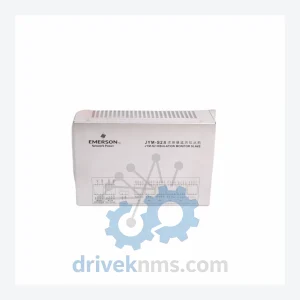
Emerson JYM-S2
Emerson JYM-S2 is listed for Monitoring Systems RFQ review. Confirm quantity, condition and destination before quotation.
RFQ-ready industrial model
Model: A6110CD/022-000
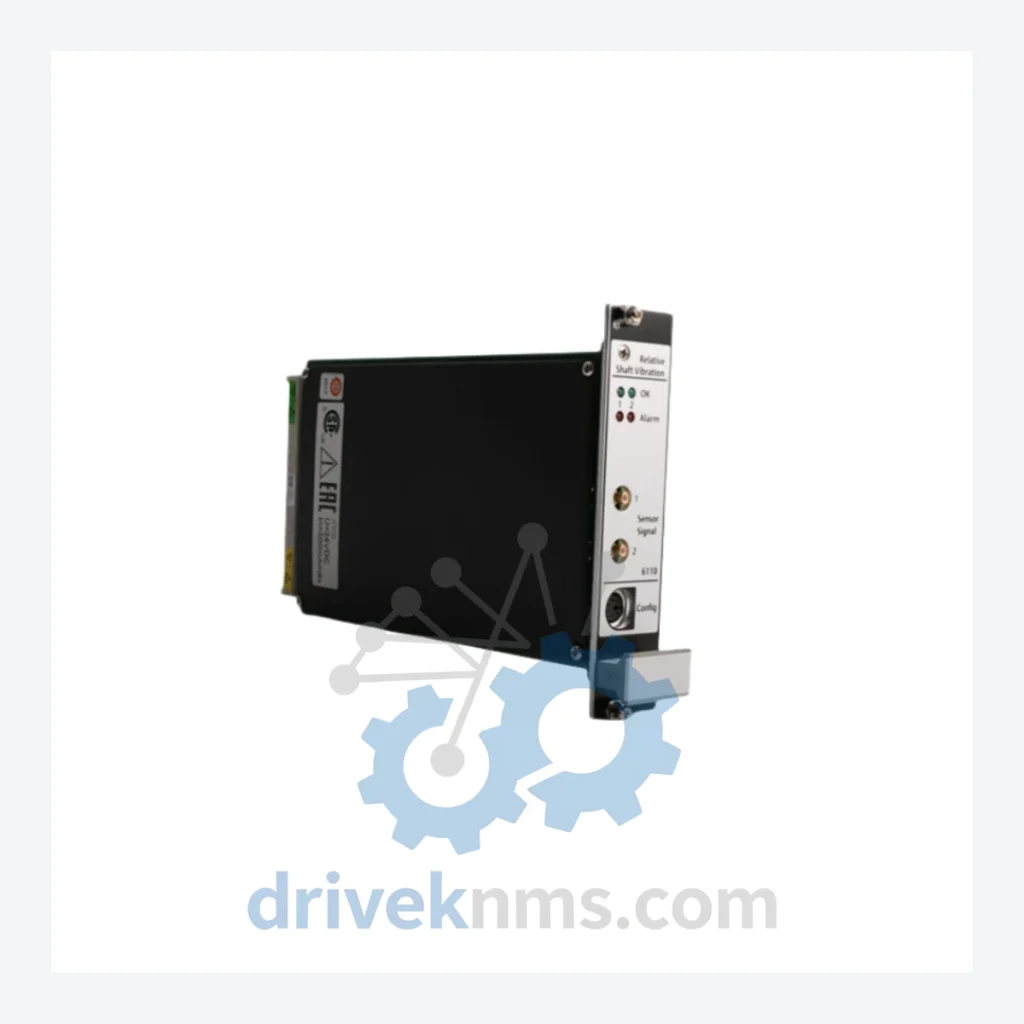
Product Overview
Commercial availability is handled through direct RFQ, model verification and export-oriented follow-up rather than public cart checkout.
Datasheet Preview
Use attached product manuals when available. If the manual is not public yet, request the full file directly through RFQ.
Commercial Path
Product pages on DRIVEKNMS are designed to verify model, brand and series first, then move the buyer into one clean quotation path.
Technical Dossier
RFQ support for obsolete parts: Send the model number, required quantity and destination so DriveKNMS can confirm sourcing options before quotation.
| Parameter | Detail |
|---|---|
| Manufacturer | Emerson (formerly CSI / Computational Systems Inc.) |
| Part Number | A6110CD/022-000 |
| Product Family | CSI 6110 Machinery Health Monitor |
| Product Category | Online Continuous Vibration Monitor |
| OEM Status | Discontinued / Obsolete – No longer manufactured |
| Country of Origin | United States |
| Compatible Systems | Emerson CSI 6110 / AMS Machinery Manager environments; legacy DCS integrations via 4–20 mA or Modbus |
| Typical Application | Rotating machinery protection: pumps, compressors, turbines, fans |
The CSI 6110 platform was designed for continuous, online vibration and process monitoring of critical rotating assets. Its architecture — built around dedicated hardware channels, hardwired relay trips, and direct historian integration — made it the standard of choice for facilities that required deterministic, always-on protection without reliance on software polling cycles.
When Emerson discontinued this line, it left thousands of installed units in service with no OEM upgrade path that preserves the existing wiring infrastructure, relay logic, and historian tags. Plant engineers who have attempted to retrofit modern wireless or Ethernet-based monitors into these installations report 6–18 months of engineering rework, including PLC logic rewrites, historian reconfiguration, and safety system revalidation.
How to extend your automation asset life by 5–10 years with targeted spare parts strategy:
DriveKNMS applies a 5-step quality assurance process to all obsolete and legacy hardware before dispatch review:
Condition grade (New, Refurbished-Grade A, or Tested-Used) is disclosed on every order confirmation. No unit ships without a documented condition report.
Q: How do I know the unit is genuine and not a counterfeit?
A: All units are sourced through documented supply channels. Serial numbers, date codes, and manufacturer markings are verified during intake inspection. A condition and provenance report is provided with every shipment.
Q: Should I buy more than one unit?
A: For any critical rotating asset covered by a machinery protection program, holding a minimum of one spare module is standard practice. Given the discontinued status of this part, availability will only decrease over time. Facilities with multiple trains running CSI 6110 systems should consider a multi-unit reserve.
Continue The Model Path
Move from this exact model into the matching system hub, brand archive, model-family archive or lifecycle sourcing route before sending a final RFQ list.
Related Paths
Emerson JYM-S2 is listed for Monitoring Systems RFQ review. Confirm quantity, condition and destination before quotation.
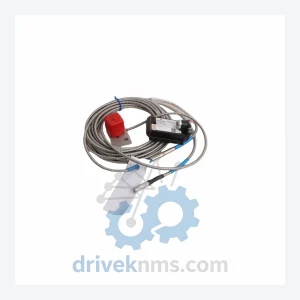
Emerson PR6426/010-030 CON021/916-160 is listed for Monitoring Systems RFQ review. Confirm quantity, condition and destination before quotation.
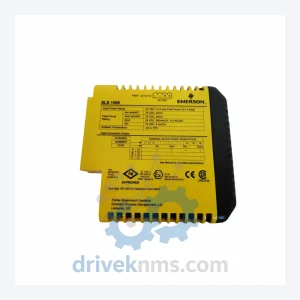
Emerson KJ2201X1-BA1 12P3162X242 SLS1508 is listed for SLS Series RFQ review. Confirm quantity, condition and destination before quotation.