
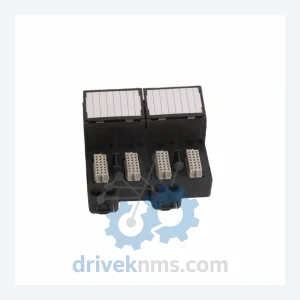
Emerson KJ3241X1-EA1 12P2565X052 Interface Terminal Block – Obsolete DeltaV Spare Part
Emerson KJ3241X1-EA1 12P2565X052 is listed for DeltaV RFQ review. Confirm quantity, condition and destination before quotation.
RFQ-ready industrial model
Model: KJ2005X1-MQ1 12P6381X042
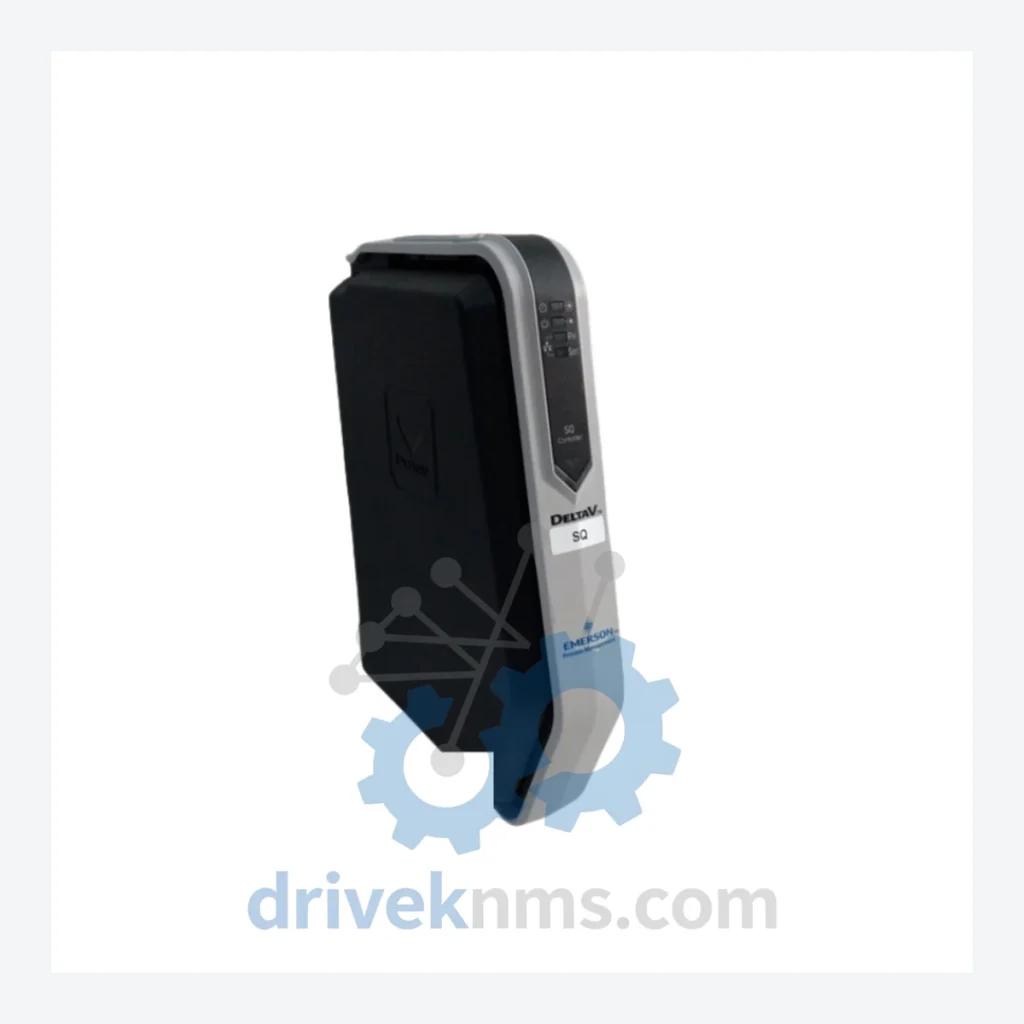
Product Overview
Commercial availability is handled through direct RFQ, model verification and export-oriented follow-up rather than public cart checkout.
Datasheet Preview
Use attached product manuals when available. If the manual is not public yet, request the full file directly through RFQ.
Commercial Path
Product pages on DRIVEKNMS are designed to verify model, brand and series first, then move the buyer into one clean quotation path.
Technical Dossier
RFQ support for obsolete parts: Send the model number, required quantity and destination so DriveKNMS can confirm sourcing options before quotation.
| Parameter | Detail |
|---|---|
| Manufacturer | Emerson Electric Co. |
| Part Number | KJ2005X1-MQ1 |
| Reference Number | 12P6381X042 |
| Product Series | DeltaV |
| Module Type | Controller Module |
| Discontinuation Status | Discontinued / Obsolete – No longer in active production |
| Country of Origin | United States |
| Compatible System | Emerson DeltaV Distributed Control System (DCS) |
Note: Electrical parameters not listed here are not independently verified. DriveKNMS does not publish unconfirmed specifications. Contact us for datasheet support.
The Emerson DeltaV platform has been the backbone of process automation in oil & gas, pharmaceuticals, chemicals, and power generation for decades. The KJ2005X1-MQ1 controller module sits at the core of DeltaV system architecture — it is not a peripheral card that can be substituted with a workaround. When this module fails and no replacement is available, the affected DeltaV node goes offline. Depending on system redundancy configuration, this can mean a partial or full process shutdown.
Plant managers facing this scenario are typically presented with two options by their automation vendor: a full system upgrade at capital expenditure levels that require board approval and multi-year planning cycles, or a temporary patch that introduces integration risk. Neither option is acceptable when production is at stake today.
A third path exists: sourcing a verified replacement KJ2005X1-MQ1 from a specialist supplier with confirmed sourcing status. This approach preserves the existing DeltaV architecture, avoids re-engineering costs, and buys the operations team the time needed to plan a controlled, budgeted migration on their own schedule — not the vendor's.
Discontinued hardware requires a different standard of incoming inspection than current-production parts. DriveKNMS applies a 5-step qualification process to every obsolete module before it is offered for sale:
Step 1 – Electrolytic Capacitor Assessment: Aged capacitors are the primary failure mode in legacy controller hardware. Each unit is inspected for capacitor bulging, electrolyte leakage, and ESR deviation. Units with degraded capacitors are not offered as functional spares.
Step 2 – Firmware Version Verification: The installed firmware version is recorded and cross-referenced against known DeltaV compatibility matrices. Mismatched firmware versions can cause silent communication failures in live systems.
Step 3 – Pin and Connector Inspection: Backplane connectors and I/O pins are examined under magnification for oxidation, corrosion, and mechanical deformation. Contact resistance is checked where test access permits.
Step 4 – Functional Power-On Test: Where test infrastructure supports it, modules are powered and observed for normal initialization behavior and fault-free status indication.
Step 5 – Packaging and ESD Protection: Units are repackaged in anti-static materials with desiccant. Long-term storage integrity is maintained until the unit ships.
The KJ2005X1-MQ1 is a direct hardware replacement for the same part number within the DeltaV system. There is no firmware re-flashing required at the Sidekick level, no re-engineering of control module assignments, and no modification to the DeltaV Explorer configuration — provided the replacement unit carries a compatible firmware revision. This is a drop-in replacement in the truest sense: remove the failed module, seat the replacement, and restore system operation. The engineering hours saved versus any alternative approach are substantial. For facilities without a dedicated automation engineering team on staff, this distinction is the difference between a two-hour recovery and a two-week project.
Process plants that invested in DeltaV infrastructure in the 2000s built systems designed for 20-year operational lives. The hardware, however, does not always cooperate with that timeline. Controller modules, power supplies, and I/O cards from that generation are now entering their end-of-life failure window simultaneously — and Emerson's current support posture for legacy DeltaV hardware reflects that reality.
The facilities that successfully extend their DeltaV system life by 5 to 10 years beyond the vendor's support horizon share a common approach: they treat critical spare parts as capital assets, not consumables. A structured spare parts program for a DeltaV system of moderate scale — covering controller modules, I/O cards, and power infrastructure — can be assembled for a fraction of the cost of a single year's system migration consulting fees.
The strategic logic is straightforward. A migration project that is deferred by five years, funded from operating budget rather than capital, and executed on a planned schedule rather than in response to a failure event, delivers substantially better outcomes for the facility and for the business. The spare parts inventory that enables that deferral is not a cost — it is an investment with a calculable return.
For plant managers and reliability engineers evaluating their options: the question is not whether legacy DeltaV hardware will eventually need to be replaced. The question is whether that replacement happens on your terms or the system's terms. Maintaining sourcing status of modules like the KJ2005X1-MQ1 is how you retain control of that decision.
Continue The Model Path
Move from this exact model into the matching system hub, brand archive, model-family archive or lifecycle sourcing route before sending a final RFQ list.
Related Paths
Emerson KJ3241X1-EA1 12P2565X052 is listed for DeltaV RFQ review. Confirm quantity, condition and destination before quotation.
Emerson KJ3222X1-BK1 12P4705X062 is listed for DeltaV RFQ review. Confirm quantity, condition and destination before quotation.
Emerson KJ3102X1-BB1 12P1864X032 is listed for DeltaV RFQ review. Confirm quantity, condition and destination before quotation.