
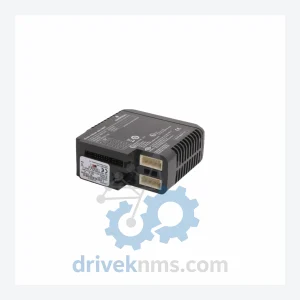
EMERSON KJ3102X1-BE1 12P2703X052 Safe Analog Output Module – DeltaV SIS Series
Emerson KJ3102X1-BE1 12P2703X052 is listed for DeltaV RFQ review. Confirm quantity, condition and destination before quotation.
RFQ-ready industrial model
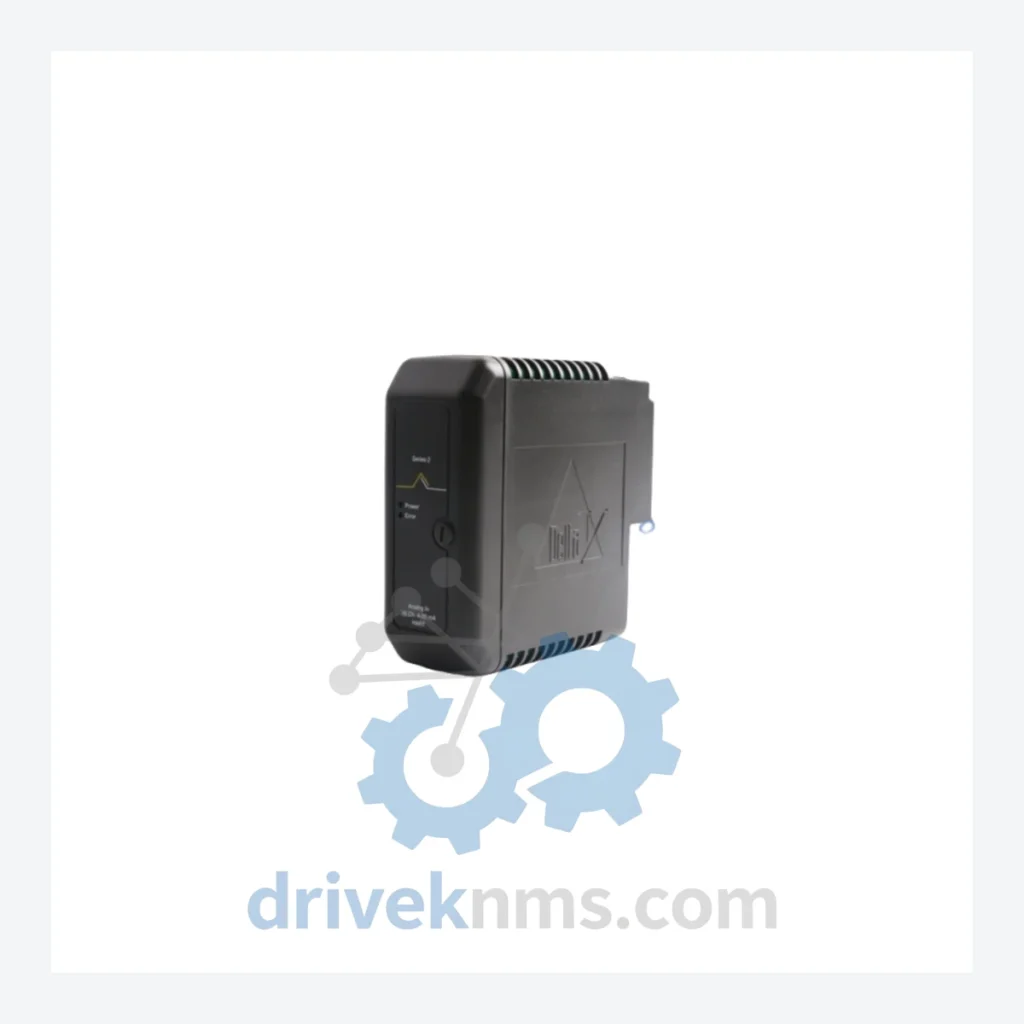
Model: KJ3223X1-BA1 12P2871X022
Product Overview
Commercial availability is handled through direct RFQ, model verification and export-oriented follow-up rather than public cart checkout.
Datasheet Preview
Use attached product manuals when available. If the manual is not public yet, request the full file directly through RFQ.
Commercial Path
Product pages on DRIVEKNMS are designed to verify model, brand and series first, then move the buyer into one clean quotation path.
Technical Dossier
RFQ support for obsolete parts: Send the model number, required quantity and destination so DriveKNMS can confirm sourcing options before quotation.
| Part Number | KJ3223X1-BA1 |
| Secondary Reference | 12P2871X022 |
| Manufacturer | Emerson Electric Co. |
| Platform | Emerson DeltaV Distributed Control System (DCS) |
| Module Type | Analog/Digital Input Module |
| Series | DeltaV S-Series / Traditional I/O |
| Country of Origin | United States |
| Product Status | Discontinued / Obsolete – No longer in active production |
| Compatible Systems | Emerson DeltaV DCS (Series 2 / Series 3 hardware generations) |
The Emerson DeltaV platform has been deployed across thousands of process facilities worldwide since the mid-1990s. The KJ3223X1-BA1 belongs to the traditional I/O hardware generation — a card-based architecture that predates the DeltaV Electronic Marshalling (CHARM) system introduced in later years. Facilities running this hardware generation face a structural problem: the control logic, loop configurations, and instrument calibration data are all tied to the physical I/O card format. Replacing a failed KJ3223X1-BA1 with a modern CHARM-based equivalent is not a plug-and-play operation. It requires re-engineering the marshalling cabinet, reconfiguring the DeltaV controller assignments, and in many cases, revalidating the entire control loop under regulatory requirements (FDA 21 CFR Part 11, IEC 61511, or equivalent). For a single module replacement, this engineering scope is economically indefensible. The correct strategy — and the one adopted by maintenance engineers at facilities with 10–20 year asset horizons — is to source and stockpile verified spare units of the original hardware. A reserve of 2–3 units of the KJ3223X1-BA1 provides a facility with a credible 5–10 year maintenance buffer, deferring the migration capital expenditure until it can be planned, budgeted, and executed on the facility's own schedule rather than under emergency conditions.
Obsolete DCS modules sourced from the secondary market carry inherent risk if not properly evaluated. DriveKNMS applies a structured 5-step QA process to all legacy I/O modules before dispatch:
Q: How do I confirm the module is new or quality-refurbished?
A: Each unit shipped by DriveKNMS is accompanied by a condition report indicating whether the unit is new surplus (unused, original packaging) or quality-refurbished (tested, cleaned, and certified). Condition is disclosed prior to order confirmation. No unit is shipped without a documented QA status.
Q: Should I buy one unit or build a strategic spare inventory?
A: For facilities with more than 10 installed units of this module type, the industry-standard recommendation is to maintain a minimum 10–15% spare ratio. Given the finite secondary market supply of the KJ3223X1-BA1, procurement of 2–4 units now is a lower-cost risk mitigation measure than sourcing under emergency conditions 18 months from now, when market availability will be further reduced.
Q: Can this module be used in a DeltaV system running a newer controller version?
A: Compatibility depends on the specific DeltaV controller version and I/O subsystem configuration in your facility. DriveKNMS recommends providing your DeltaV system version details at the time of inquiry so compatibility can be confirmed before dispatch review.
Continue The Model Path
Move from this exact model into the matching system hub, brand archive, model-family archive or lifecycle sourcing route before sending a final RFQ list.
Related Paths
Emerson KJ3102X1-BE1 12P2703X052 is listed for DeltaV RFQ review. Confirm quantity, condition and destination before quotation.
Emerson KJ3241X1-BA1 12P2506X072 is listed for DeltaV RFQ review. Confirm quantity, condition and destination before quotation.
Emerson KJ3241X1-EA1 12P2565X052 is listed for DeltaV RFQ review. Confirm quantity, condition and destination before quotation.