
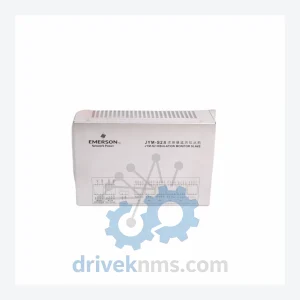
Emerson JYM-S2
Emerson JYM-S2 is listed for Monitoring Systems RFQ review. Confirm quantity, condition and destination before quotation.
RFQ-ready industrial model
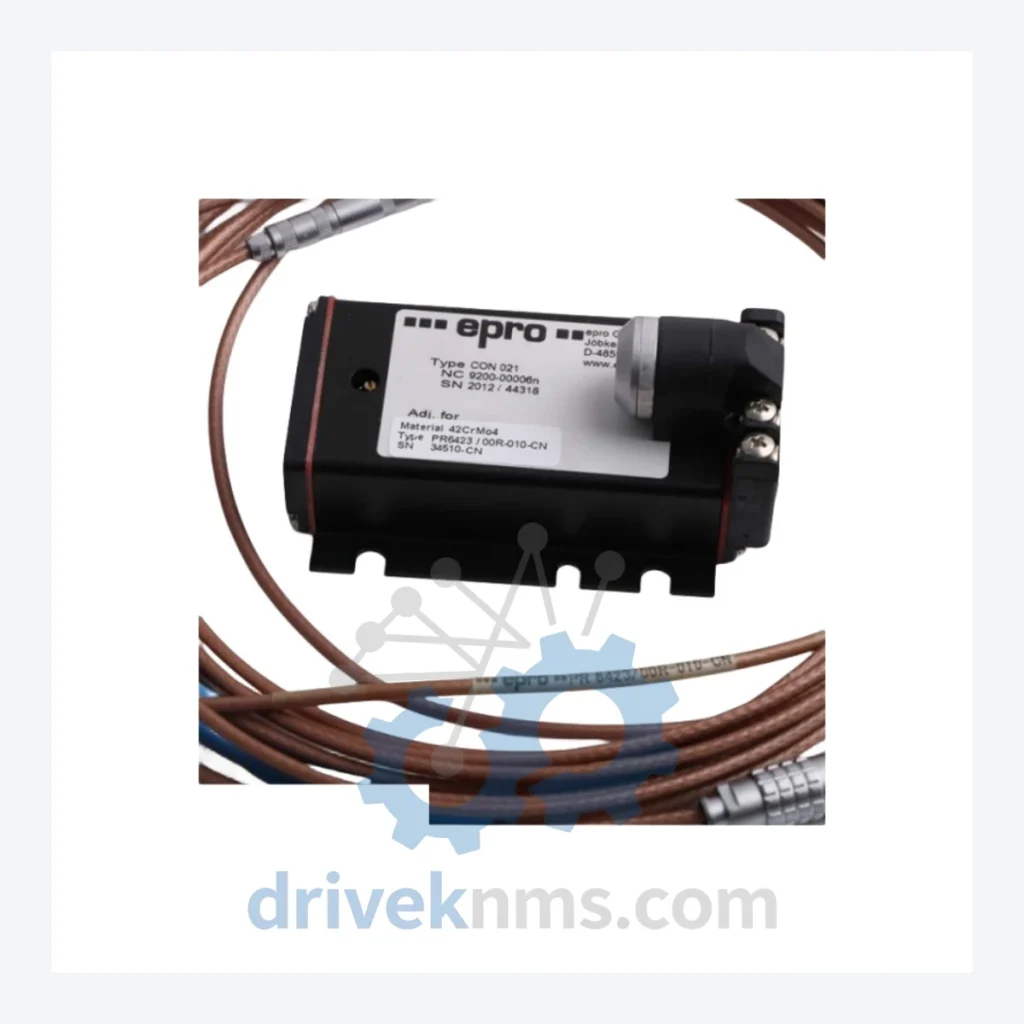
Model: PR6423/010-030 CON021
Product Overview
Commercial availability is handled through direct RFQ, model verification and export-oriented follow-up rather than public cart checkout.
Datasheet Preview
Use attached product manuals when available. If the manual is not public yet, request the full file directly through RFQ.
Commercial Path
Product pages on DRIVEKNMS are designed to verify model, brand and series first, then move the buyer into one clean quotation path.
Technical Dossier
RFQ support for obsolete parts: Send the model number, required quantity and destination so DriveKNMS can confirm sourcing options before quotation.
| Parameter | Detail |
|---|---|
| Manufacturer | Emerson (formerly Epro GmbH) |
| Part Number | PR6423/010-030 CON021 |
| Series | Epro PR6423 |
| Type | Eddy-Current Proximity Sensor (Non-contact) |
| Production Status | Discontinued / Obsolete |
| Country of Origin | Germany |
| Typical Application | Shaft displacement, vibration, and position measurement on rotating machinery |
| Compatible Systems | Epro MMS 6000, Epro MMS 3000, legacy Bently Nevada-compatible protection racks |
Note: Electrical parameters (gap range, sensitivity, frequency response) vary by cable length and conditioner pairing. Confirm your system configuration before ordering. DriveKNMS technical staff can assist with compatibility verification.
The Epro PR6423 sensor family was the backbone of machinery protection on gas turbines, steam turbines, centrifugal compressors, and large pump trains throughout the 1990s and 2000s. Facilities that standardized on Epro MMS 6000 or MMS 3000 racks built their entire vibration monitoring architecture around this sensor's output characteristics — its specific sensitivity curve, cable impedance, and conditioner pairing are not interchangeable with modern alternatives without recalibration and, in many cases, full rack replacement.
Facilities that have extended Epro-based protection systems by 5–10 years through disciplined spare parts management consistently report lower lifecycle costs than those that pursued premature platform migrations driven by parts unavailability rather than genuine obsolescence of function.
Sourcing obsolete sensors from the secondary market carries real risk. DriveKNMS applies a 5-step QA protocol to every PR6423 unit before dispatch review:
Plant managers facing pressure to retire legacy Epro or similar machinery protection platforms often underestimate the true cost of migration versus the cost of structured spare parts management. The following framework has been applied successfully across petrochemical, power generation, and heavy manufacturing facilities:
Q: How is condition confirmed before quotation?
A: Available condition, photos, test records and documentation are checked according to the requested model and sourcing channel before a formal RFQ response.
Q: How are RFQ terms confirmed?
A: Quantity, required condition, documentation needs, destination and sourcing route are confirmed during RFQ review before quotation.
Should I buy more than one unit?
For critical rotating machinery applications, yes. Single-unit procurement resolves the immediate failure but leaves the system exposed to the next event. For trains where sensor failure triggers a protective shutdown, a minimum of two spare units per sensor position is the standard recommendation in reliability engineering practice.
Continue The Model Path
Move from this exact model into the matching system hub, brand archive, model-family archive or lifecycle sourcing route before sending a final RFQ list.
Related Paths
Emerson JYM-S2 is listed for Monitoring Systems RFQ review. Confirm quantity, condition and destination before quotation.
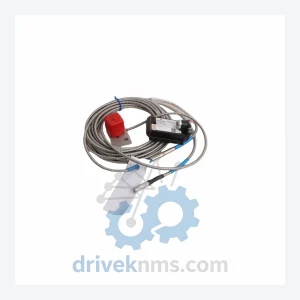
Emerson PR6426/010-030 CON021/916-160 is listed for Monitoring Systems RFQ review. Confirm quantity, condition and destination before quotation.
Emerson KJ3102X1-BB1 12P1864X032 is listed for DeltaV RFQ review. Confirm quantity, condition and destination before quotation.