
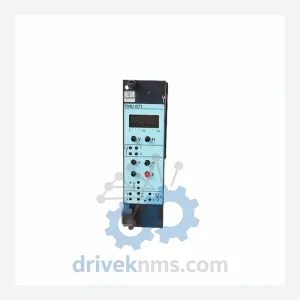
Endress+Hauser FMU671 Ultrasonic Level Transmitter – Obsolete Nivosonic Spare Part
Endress+Hauser FMU671 is listed for Monitoring Systems RFQ review. Confirm quantity, condition and destination before quotation.
RFQ-ready industrial model
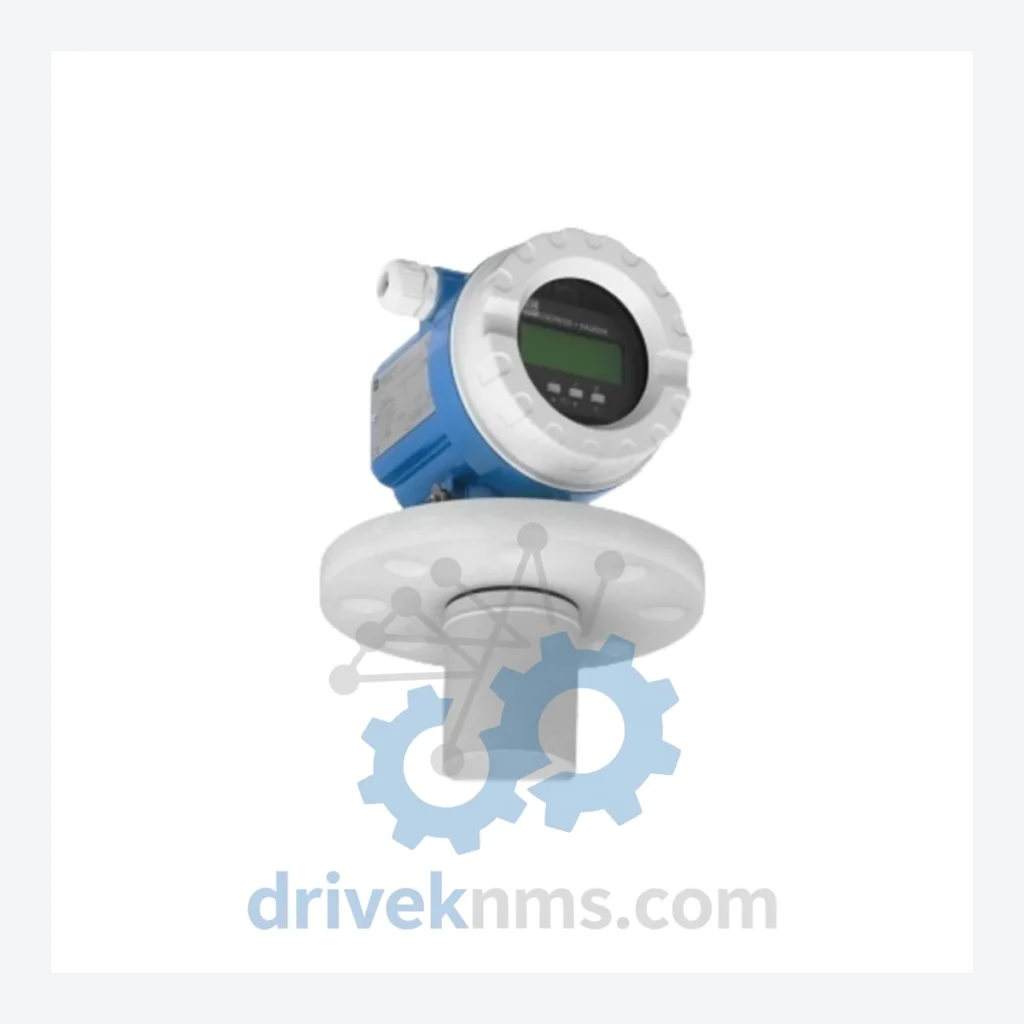
Model: FMU42-APB2A22A
Product Overview
Commercial availability is handled through direct RFQ, model verification and export-oriented follow-up rather than public cart checkout.
Datasheet Preview
Use attached product manuals when available. If the manual is not public yet, request the full file directly through RFQ.
Commercial Path
Product pages on DRIVEKNMS are designed to verify model, brand and series first, then move the buyer into one clean quotation path.
Technical Dossier
A single failed level transmitter should not force a plant-wide control system overhaul. Yet that is precisely the financial exposure facing facilities that rely on the Endress+Hauser Prosonic M FMU42 series. When this unit goes offline without a verified replacement on hand, the downstream consequence is not a line item — it is an unplanned shutdown, an emergency engineering assessment, and in many cases a forced migration to a newer platform that carries six- or seven-figure integration costs. DriveKNMS holds RFQ-reviewed sourcing status of the FMU42-APB2A22A. This is not a catalogue listing. It is a physical unit, inspected and ready to ship.
RFQ support for obsolete parts: Send the model number, required quantity and destination so DriveKNMS can confirm sourcing options before quotation.
| Parameter | Detail |
|---|---|
| Manufacturer | Endress+Hauser |
| Part Number | FMU42-APB2A22A |
| Series | Prosonic M |
| Measurement Principle | Ultrasonic, non-contact level measurement |
| Output Signal | 4–20 mA HART (2-wire) |
| Supply Voltage | 12–36 V DC (2-wire loop powered) |
| Enclosure Protection | IP 68 |
| Ambient Temperature Range | -40 to +70 °C |
| Country of Origin | Germany |
| Discontinuation Status | Discontinued / Obsolete – no longer in active production by Endress+Hauser |
| Compatible Systems | Siemens SIMATIC S7, ABB System 800xA, Honeywell Experion PKS, legacy DCS/PLC platforms accepting 4–20 mA HART input |
Note: Electrical parameters are sourced from published Endress+Hauser documentation. Parameters not confirmed by official datasheets are intentionally omitted.
The Prosonic M FMU42 series was a workhorse across water treatment, chemical processing, and bulk material handling facilities throughout the 2000s and 2010s. Its 4–20 mA HART interface made it a natural fit for the distributed control architectures of that era — Siemens S7 islands, ABB 800xA backbone systems, and Honeywell Experion PKS installations that remain in production service today.
Endress+Hauser has since migrated its level portfolio to the Prosonic S and Micropilot families. Spare parts and factory support for the FMU42 line are no longer guaranteed through standard channels. For plant managers operating legacy DCS environments, this creates a specific and quantifiable risk: the cost of sourcing a single verified FMU42-APB2A22A on the open market is measured in hundreds of dollars. The cost of a production stoppage while engineering evaluates a platform migration is measured in days of lost output and, frequently, in millions.
The strategic calculus is straightforward. A facility running a Honeywell TDC 3000 or an ABB MasterPiece 200 backbone does not retire that infrastructure because one field instrument fails. It sources the instrument, restores the loop, and defers the capital expenditure to a planned cycle. That is asset protection, not improvisation. DriveKNMS exists to make that sourcing decision fast and low-risk.
How to extend automation asset life by 5–10 years through critical spare management:
Sourcing obsolete instrumentation from the secondary market carries legitimate quality risk. DriveKNMS applies a structured 5-step inspection protocol to every FMU42-APB2A22A unit before it leaves our facility.
Units that do not pass all five stages are not listed. Condition grade (New Surplus, Refurbished, or Used-Tested) is disclosed on the invoice.
Continue The Model Path
Move from this exact model into the matching system hub, brand archive, model-family archive or lifecycle sourcing route before sending a final RFQ list.
Related Paths
Endress+Hauser FMU671 is listed for Monitoring Systems RFQ review. Confirm quantity, condition and destination before quotation.
Endress+Hauser 319100-0200B is listed for Monitoring Systems RFQ review. Confirm quantity, condition and destination before quotation.
Endress+Hauser CM442-AAM1A2F010A is listed for Monitoring Systems RFQ review. Confirm quantity, condition and destination before quotation.