
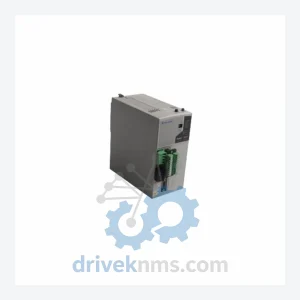
Bosch KM3300 Modules KM 3300-T 054915-103 KM3300
Bosch KM 3300-T 054915-103 KM3300 is listed for 3300 RFQ review. Confirm quantity, condition and destination before quotation.
RFQ-ready industrial model
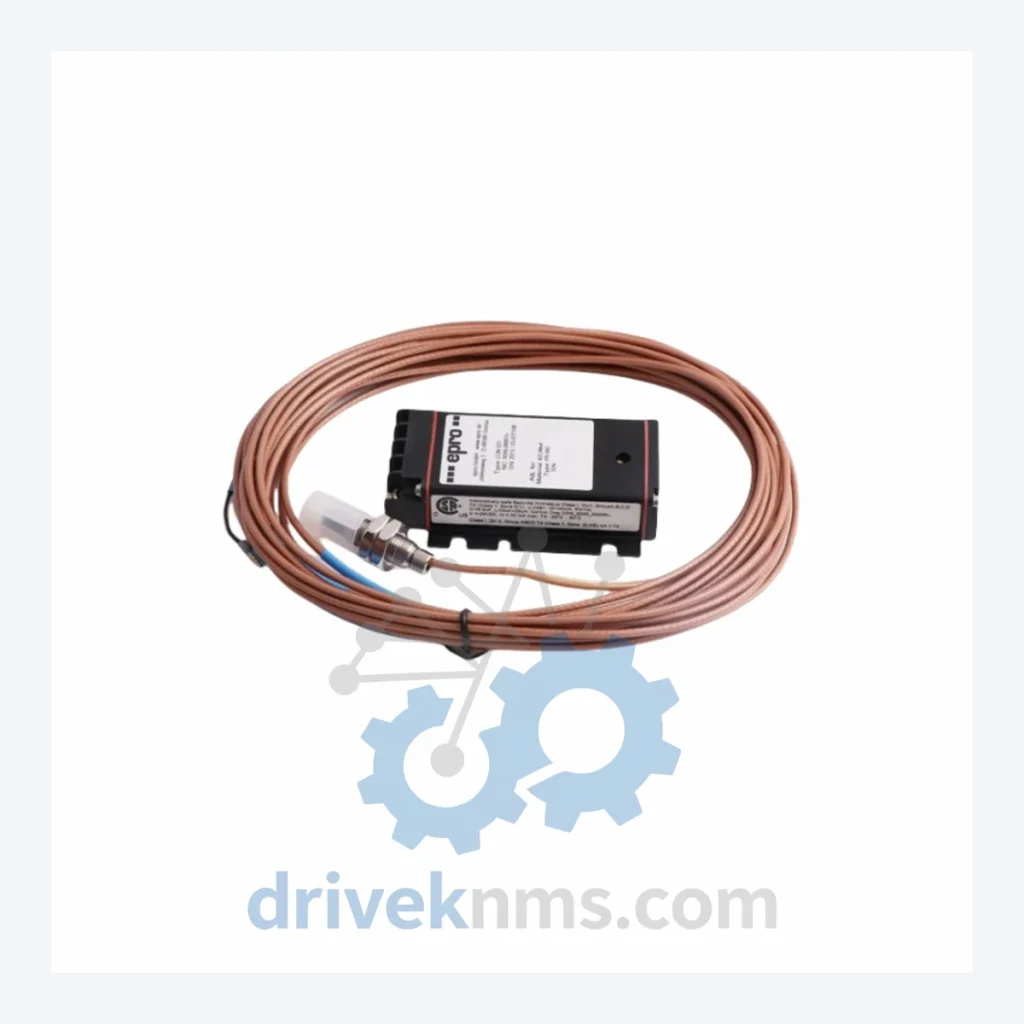
Model: PR6423/002-000+CON021
Product Overview
Commercial availability is handled through direct RFQ, model verification and export-oriented follow-up rather than public cart checkout.
Datasheet Preview
Use attached product manuals when available. If the manual is not public yet, request the full file directly through RFQ.
Commercial Path
Product pages on DRIVEKNMS are designed to verify model, brand and series first, then move the buyer into one clean quotation path.
Technical Dossier
RFQ support for obsolete parts: Send the model number, required quantity and destination so DriveKNMS can confirm sourcing options before quotation.
Q: How are RFQ terms confirmed?
A: Quantity, required condition, documentation needs, destination and sourcing route are confirmed during RFQ review before quotation.
The EPRO PR6423 series was the backbone of non-contact vibration measurement in gas turbines, steam turbines, centrifugal compressors, and large pumps across the oil & gas, power generation, and chemical processing industries. These sensors feed real-time shaft position and vibration data to machinery protection monitors — data that triggers automatic shutdowns when machinery approaches destructive operating conditions.
When EPRO was absorbed into the Bently Nevada portfolio under Baker Hughes, the legacy PR6423 product line was progressively discontinued. Facilities running MMS 3000 or MMS 6000 monitoring systems — or older Bently Nevada 3300-series monitors that accept EPRO-compatible inputs — now face a hard reality: the OEM no longer supplies these sensors, and the monitoring systems themselves are too deeply integrated into plant infrastructure to replace without a multi-year capital project.
For plant engineers and maintenance managers, the practical window is narrow. A failed PR6423/002-000+CON021 with no replacement on hand means either running the machine unprotected (an unacceptable safety and insurance liability) or initiating an emergency shutdown while sourcing a replacement through the spot market. Neither outcome is acceptable in a planned maintenance framework.
Obsolete parts sourced from the secondary market carry inherent risk. DriveKNMS applies a structured five-step quality process to every PR6423/002-000+CON021 unit before it is offered for sale.
Step 2 – Electrolytic Capacitor Assessment: Internal capacitor aging is a primary failure mode in stored electronic assemblies. Units are assessed for capacitor condition; any unit showing evidence of electrolyte leakage or bulging is removed from inventory.
Step 3 – Pin and Contact Corrosion Check: Connector contacts are inspected under magnification for oxidation and corrosion. Affected contacts are cleaned to OEM-equivalent standards or the unit is rejected.
Step 4 – Firmware and Configuration Verification: Where applicable, internal configuration is verified against known PR6423 series parameters to confirm the unit has not been field-modified in a way that would affect compatibility.
The PR6423/002-000+CON021 is a direct, drop-in replacement for the same part number in any installation where the original EPRO sensor is fitted. No signal conditioning recalibration, no monitor reconfiguration, and no PLC reprogramming is required when replacing a like-for-like unit. This is the critical distinction between a sensor replacement and a system upgrade.
Facilities that have invested in EPRO or compatible Bently Nevada monitoring infrastructure have already absorbed the engineering cost of system design, cable routing, and commissioning. Replacing a failed sensor with an identical unit preserves that investment entirely. The alternative — migrating to a current-generation sensor platform — requires new cabling, new monitor cards, new system configuration, and in many cases, new API 670 compliance documentation. The engineering cost alone typically exceeds the value of ten years of spare sensor procurement.
How do I confirm the unit is genuine and not counterfeit?
All units supplied by DriveKNMS are sourced from documented supply chains. Physical markings, date codes, and construction are verified against known-good reference units. Documentation of provenance is available on request for critical applications.
Continue The Model Path
Move from this exact model into the matching system hub, brand archive, model-family archive or lifecycle sourcing route before sending a final RFQ list.
Related Paths
Bosch KM 3300-T 054915-103 KM3300 is listed for 3300 RFQ review. Confirm quantity, condition and destination before quotation.
ProSoft Technology 3300-MBP is listed for 3300 RFQ review. Confirm quantity, condition and destination before quotation.
Fanuc A06B-6400-H102 A20B-3300-0381 is listed for 3300 RFQ review. Confirm quantity, condition and destination before quotation.