Products / Force Computers / 6 REV. 4.1 Processor Board
Force Computers 6 REV. 4.1 Processor Board

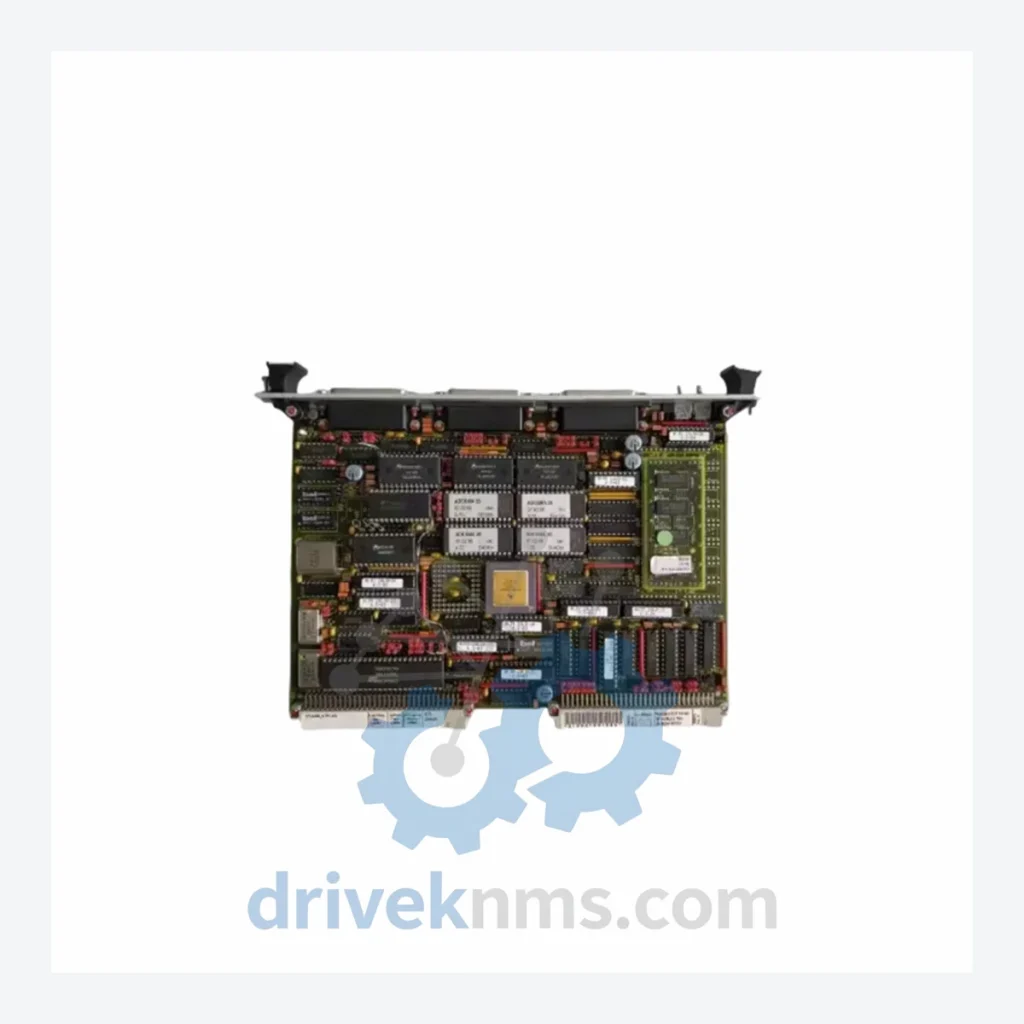
FORCE COMPUTERS SYS68K/CPU-6 REV. 4.1 Processor Board – Obsolete SYS68K Spare Part

Model: SYS68K/CPU-6 REV. 4.1

Brand Force Computers
Series 6 REV. 4.1 Processor Board
Model SYS68K/CPU-6 REV. 4.1
RFQ-ready model route Obsolete and surplus sourcing Export follow-up by model list

Product Overview

Commercial availability is handled through direct RFQ, model verification and export-oriented follow-up rather than public cart checkout.

Datasheet Preview

Datasheet Preview

Use attached product manuals when available. If the manual is not public yet, request the full file directly through RFQ.

Request Full Manual

Commercial Path

Use This Page To Confirm The Model, Then Move To RFQ

Product pages on DRIVEKNMS are designed to verify model, brand and series first, then move the buyer into one clean quotation path.

Technical Dossier

Product Details And Specifications

FORCE COMPUTERS SYS68K/CPU-6 REV. 4.1 Processor Board – Obsolete SYS68K Spare Part

When a SYS68K/CPU-6 REV. 4.1 processor board fails, the consequences extend far beyond a single module replacement. This board sits at the heart of VMEbus-based control architectures deployed across industrial automation, defense electronics, and scientific instrumentation installations built in the late 1980s and 1990s. A forced system retirement triggered by one unavailable board can cascade into a full platform migration — a project that routinely costs manufacturing operations between $500,000 and several million USD when engineering hours, downtime, revalidation, and retraining are factored in. DriveKNMS maintains verified stock of this discontinued module specifically to prevent that outcome.

Technical Specifications

Parameter Detail
Manufacturer FORCE COMPUTERS GmbH
Part Number SYS68K/CPU-6 REV. 4.1
Series SYS68K
Form Factor VMEbus (IEEE 1014) Single-Board Computer
Processor Architecture Motorola 68020 / 68030 family
Bus Standard VMEbus (VME64 compatible)
Country of Origin Germany
Product Status Discontinued / End-of-Life (EOL)
Revision REV. 4.1

Note: Detailed electrical parameters (clock speed, RAM configuration, I/O specifications) vary by sub-revision and installed options. Confirmed specifications are provided upon request based on physical inspection of available units. No parameters are stated here that have not been verified.

Solving the Discontinued Hardware Crisis

FORCE COMPUTERS' SYS68K series was a dominant VMEbus platform through the 1990s, deployed in process control, military embedded computing, and laboratory automation. The SYS68K/CPU-6 in particular served as the central processing element in multi-board VME chassis configurations where it managed real-time task scheduling, inter-board communication, and I/O arbitration.

The core problem facing maintenance engineers today is architectural lock-in. Systems built around the SYS68K/CPU-6 were designed with tight hardware-software coupling. Application firmware, RTOS configurations, and I/O driver stacks were written specifically for the Motorola 68k instruction set and the VMEbus timing characteristics of this board. Replacing the processor board with a modern alternative is not a drop-in exercise — it requires porting software, revalidating timing-critical routines, and in regulated industries, re-certifying the entire system. That process is measured in years and millions, not weeks and thousands.

Sourcing a verified replacement SYS68K/CPU-6 REV. 4.1 eliminates that path entirely. The existing software stack runs without modification. The VMEbus backplane continues to operate within its validated parameters. The maintenance team retains institutional knowledge of the system. The capital asset — whether a production line, a test bench, or a defense platform — continues generating value rather than becoming a liability.

For plant managers and asset owners operating under budget constraints, this is the calculation that matters: the cost of one verified spare board versus the cost of a forced system retirement. The arithmetic is not close.

Extending Automation Asset Life by 5–10 Years: A Maintenance Strategy for Legacy VMEbus Systems

Facilities running SYS68K-based VME systems face a predictable pressure cycle. OEM support ended years ago. Third-party repair houses are thinning. Each passing year reduces the pool of engineers who understand the platform. Against this backdrop, a structured spare parts strategy is the most cost-effective form of asset protection available.

Recommended approach for extending system life:

  • Critical board inventory: Identify every board type in the VME chassis that has no modern equivalent and no repair path. The CPU board is always the highest priority. Secure a minimum of one verified spare per system, two per critical production line.
  • Scheduled preventive inspection: VMEbus boards from this era use electrolytic capacitors with finite service lives. A board that tests functional today may fail within 12–24 months due to capacitor degradation. Annual inspection of boards not in active rotation is a low-cost intervention that prevents unplanned failures.
  • Firmware and configuration archiving: Before any board is removed from service, capture the full firmware image and configuration state. This is the single most common failure point in legacy system recovery — the hardware is found, but the software state is lost.
  • Supplier qualification: Not all sources for obsolete VMEbus boards apply consistent quality controls. Establish a relationship with a supplier who performs incoming inspection, functional testing, and documents board condition before sale. A board that arrives non-functional is worse than no board — it consumes time during a crisis.
  • Retirement timeline planning: Even with a robust spare parts strategy, plan a technology migration for the 7–10 year horizon. Use the time bought by spare parts availability to fund and execute a controlled migration on your schedule, not a forced one driven by hardware failure.

Condition & Reliability Assurance

Sourcing obsolete industrial boards from the secondary market carries real risk. DriveKNMS applies a structured 5-step incoming quality process to every SYS68K/CPU-6 unit before it is offered for sale.

  1. Visual and mechanical inspection: Full board examination for physical damage, bent pins, cracked PCB traces, and connector wear. Boards with structural compromise are rejected at this stage.
  2. Electrolytic capacitor assessment: Capacitor aging is the primary failure mode for boards of this vintage. Each unit is inspected for capacitor bulging, electrolyte leakage, and ESR deviation. Units showing capacitor degradation are either reconditioned or rejected.
  3. Pin and connector corrosion check: VMEbus edge connectors and I/O headers are inspected and cleaned. Oxidation on contact surfaces is the second most common cause of intermittent failures in legacy VME systems.
  4. Firmware version verification: Where accessible, firmware revision is documented and disclosed to the buyer prior to shipment. Revision mismatches between replacement boards and existing system configurations are flagged before the sale is completed.
  5. Functional power-on test: Units are powered and tested for basic operational response where test fixtures permit. Test results are documented and available upon request.

Key Features for System Maintenance

  • Drop-in replacement: The SYS68K/CPU-6 REV. 4.1 installs directly into an existing VMEbus chassis without backplane modification. No hardware redesign is required.
  • No software porting required: Existing application firmware, RTOS images, and driver configurations run on a replacement board of the same revision without modification. Engineering time to restore operation is measured in hours, not months.
  • Avoids system revalidation: In regulated manufacturing and defense environments, introducing a new hardware platform triggers revalidation requirements. A same-part replacement does not. This distinction alone can represent hundreds of thousands of dollars in avoided compliance cost.
  • Preserves institutional knowledge: Maintenance teams already trained on the SYS68K platform continue to operate without retraining. The organizational cost of platform transitions is consistently underestimated in capital planning.

FAQ

What warranty applies to discontinued boards?
DriveKNMS provides a 90-day warranty covering functional defects on all tested units. Warranty terms for specific units are confirmed at the time of sale based on condition grade.

How do I know the board is genuine and not counterfeit?
All units sourced by DriveKNMS are inspected for manufacturer markings, PCB layer construction, and component dating codes consistent with authentic FORCE COMPUTERS production. Counterfeit VMEbus boards are rare but not unknown in the secondary market; our inspection process specifically screens for inconsistencies.

Should I buy more than one unit?
For any production system where downtime cost exceeds the cost of a spare board within a single shift, the answer is yes. For critical lines, a minimum of two spares per chassis is the standard recommendation. Inventory held now is inventory available during a crisis; inventory sourced during a crisis is subject to availability constraints and premium pricing.

Can you source other SYS68K series boards?
Yes. DriveKNMS specializes in the full FORCE COMPUTERS SYS68K product line as well as other discontinued VMEbus platforms. Contact us with your full bill of materials for a consolidated sourcing assessment.

© 2026 DriveKNMS. Status: DRAFT

WhatsApp Prefilled Inquiry Email [email protected] Phone +86 18359293191 Top Back To Top