
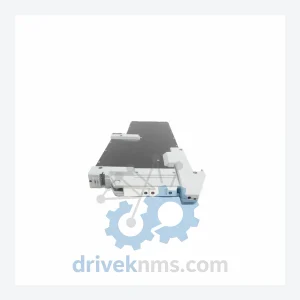
Foxboro I/A Series Modules P0971WV DNBT Dual Nodebus Module
Foxboro P0971WV DNBT is listed for Controller Cards RFQ review. Confirm quantity, condition and destination before quotation.
RFQ-ready industrial model
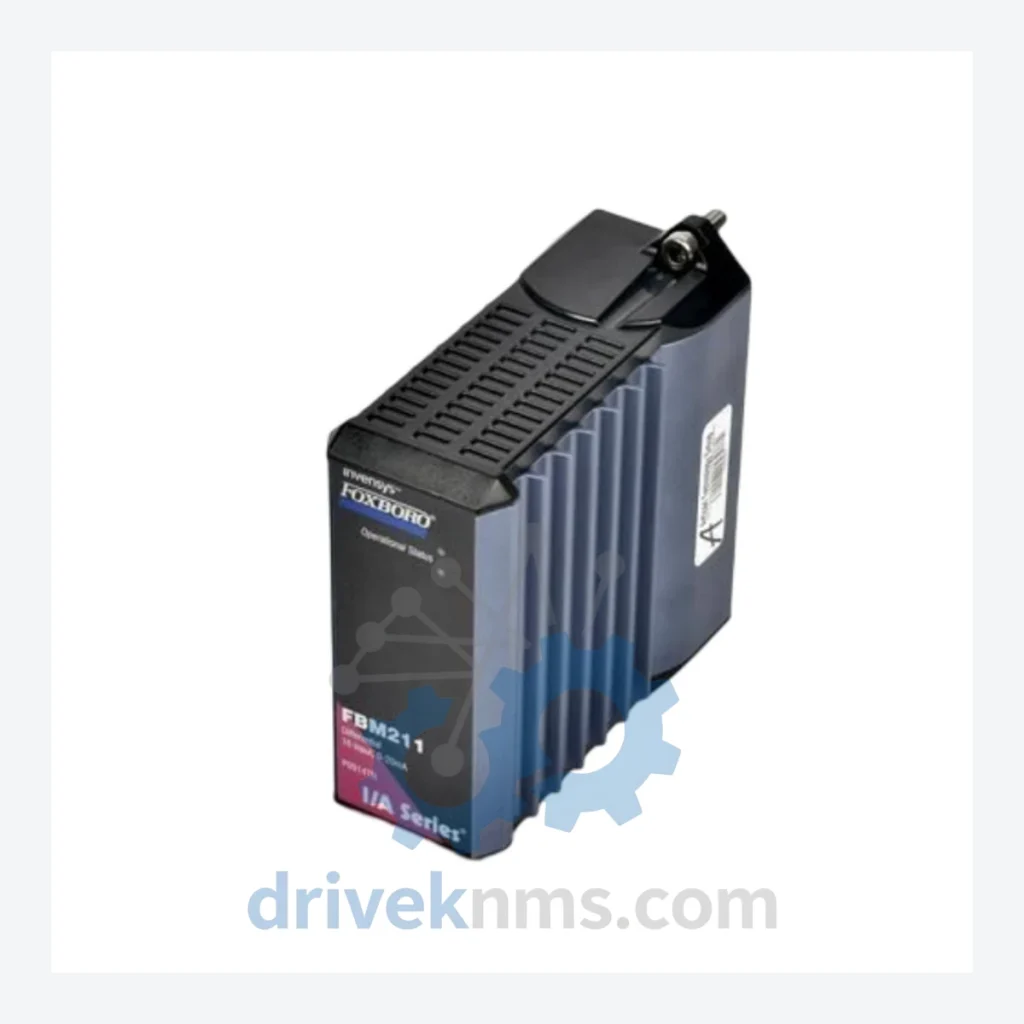
Model: FBM211
Product Overview
Commercial availability is handled through direct RFQ, model verification and export-oriented follow-up rather than public cart checkout.
Datasheet Preview
Use attached product manuals when available. If the manual is not public yet, request the full file directly through RFQ.
Commercial Path
Product pages on DRIVEKNMS are designed to verify model, brand and series first, then move the buyer into one clean quotation path.
Technical Dossier
The Foxboro FBM (Fieldbus Module) Series is a core component family within the Foxboro I/A Series Distributed Control System (DCS), one of the most widely deployed process automation platforms in global heavy industry. Installed across petrochemical complexes, nuclear power stations, offshore platforms, crude oil refineries, and pulp & paper mills, the FBM Series provides the field I/O backbone that connects physical instrumentation to the I/A Series control network. With an installed base spanning several decades and hundreds of thousands of active nodes worldwide, the FBM Series represents a mission-critical infrastructure layer that plant operators cannot afford to leave unsupported.
The FBM211 specifically functions as an Input Interface Module, designed to accept analog or digital field signals and condition them for transmission across the Nodebus or Fieldbus communication architecture. It is a direct-mount module compatible with standard FBM enclosures and baseplate assemblies used throughout the I/A Series ecosystem.
The FBM Series was introduced alongside the Foxboro I/A Series DCS in the mid-1980s, representing a shift from centralized analog control panels to distributed digital field I/O. Early-generation modules such as the FBM01 and FBM02 used parallel wiring to a central processor; subsequent generations introduced the Nodebus (a proprietary 10 Mbps token-passing network) and later the Fieldbus, enabling distributed placement of I/O modules closer to field instruments.
Through the 1990s and 2000s, Schneider Electric (which acquired Foxboro via Invensys) expanded the FBM catalog to include HART-capable modules, redundant configurations, and intrinsically safe variants for hazardous area classification. The architecture remained backward-compatible across generations, meaning FBM modules from different eras can coexist on the same Nodebus segment — a critical factor for brownfield plant upgrades. As of 2026, the FBM Series is in a mature-to-end-of-life phase; Schneider Electric has transitioned new projects toward the EcoStruxure Foxboro DCS platform, but the installed base of legacy I/A Series systems ensures sustained demand for FBM spare parts and lifecycle support through at least the 2030s.
The following SKUs represent verified, commonly stocked modules within the Foxboro FBM Series. Modules are categorized by primary function:
Analog Input Modules
Analog Output Modules
Digital Input / Output Modules
Communication & Specialty Modules
Power & Infrastructure Modules
Our QC process for FBM modules includes: visual inspection of backplane connector pins and module housing for mechanical damage; powered functional test with Nodebus address assignment and data exchange verification; channel-level signal injection testing for all analog I/O modules (verified against calibrated reference instruments); HART communication handshake verification for HART-capable variants; and 48-hour burn-in for modules destined for critical or redundant loop applications. Modules that fail any stage of this protocol are quarantined and not returned to inventory.
Continue The Model Path
Move from this exact model into the matching system hub, brand archive, model-family archive or lifecycle sourcing route before sending a final RFQ list.
Related Paths
Foxboro P0971WV DNBT is listed for Controller Cards RFQ review. Confirm quantity, condition and destination before quotation.
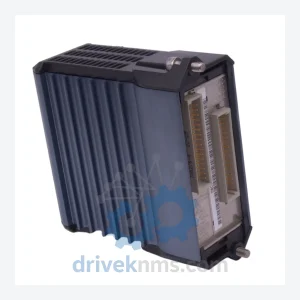
Foxboro FBM204 is listed for Controller Cards RFQ review. Confirm quantity, condition and destination before quotation.
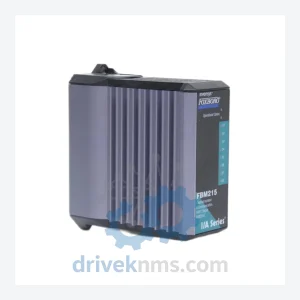
Foxboro FBM215 is listed for I/A Series RFQ review. Confirm quantity, condition and destination before quotation.