
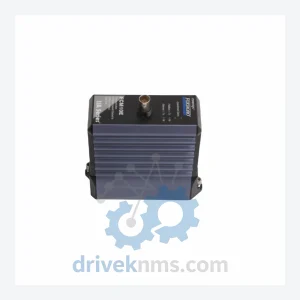
Foxboro FCM10E P0914YM Communication Interface Module – Obsolete I/A Series Spare Part
Foxboro FCM10E P0914YM is listed for I/A Series RFQ review. Confirm quantity, condition and destination before quotation.
RFQ-ready industrial model
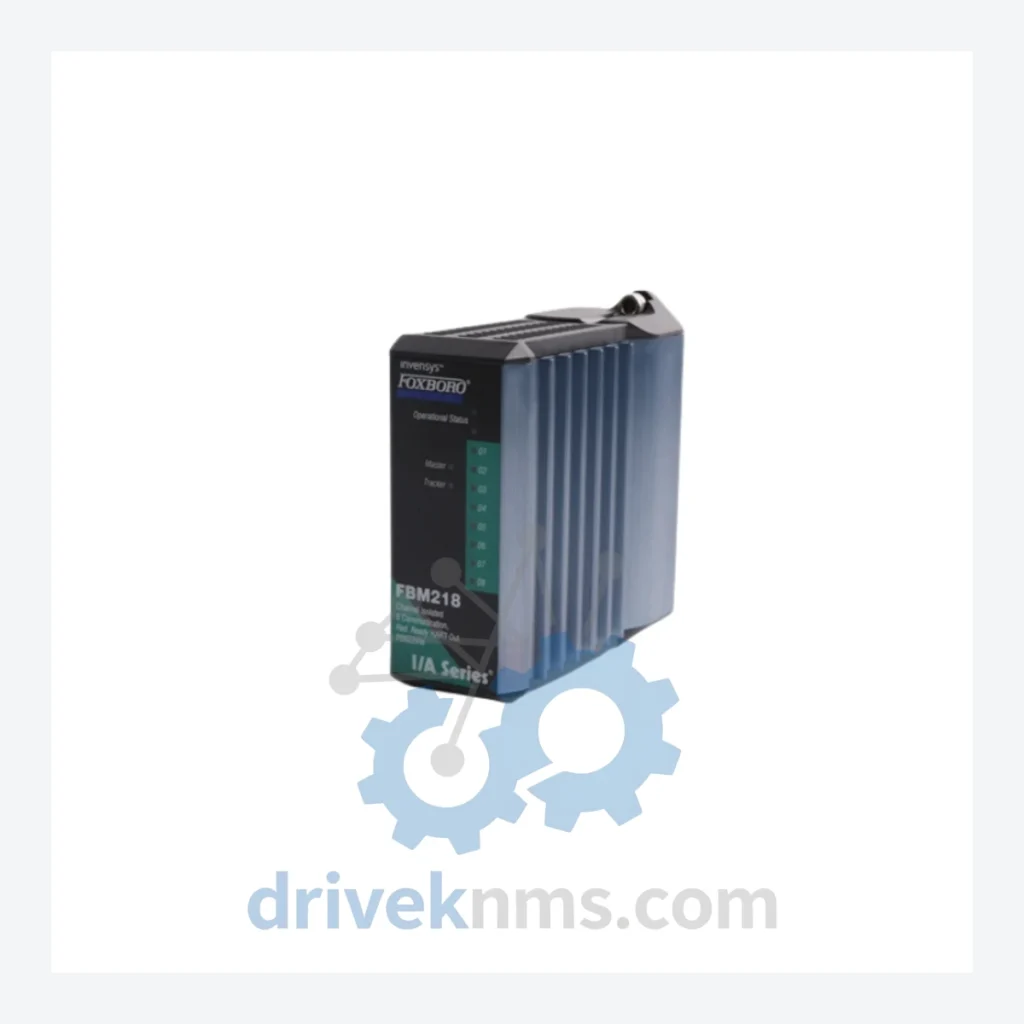
Model: FBM218
Product Overview
Commercial availability is handled through direct RFQ, model verification and export-oriented follow-up rather than public cart checkout.
Datasheet Preview
Use attached product manuals when available. If the manual is not public yet, request the full file directly through RFQ.
Commercial Path
Product pages on DRIVEKNMS are designed to verify model, brand and series first, then move the buyer into one clean quotation path.
Technical Dossier
The FBM series was introduced alongside the Foxboro I/A Series DCS in the mid-1980s, representing a modular, distributed I/O philosophy that was architecturally ahead of its time. Early FBM generations (FBM01–FBM10) handled basic analog and discrete I/O over the Nodebus communication infrastructure. As process industries demanded higher channel density, redundancy, and fieldbus compatibility, Foxboro expanded the catalog through successive generations.
The mid-generation FBMs (FBM100–FBM220 range) introduced support for HART communication, redundant module configurations, and enhanced diagnostic capabilities. The FBM218 belongs to this mature generation, designed specifically for redundant output interfacing — a critical requirement in safety-instrumented loops and high-uptime process units. Later additions to the FBM catalog addressed FOUNDATION Fieldbus (FF) and PROFIBUS PA integration, extending the I/A Series into modern fieldbus topologies without requiring full system replacement.
Compatibility across FBM generations is governed by the I/A Series Nodebus and Fieldbus Module Processor (FMP) architecture. Mixing early and late-generation FBMs within the same FBM Enclosure requires careful firmware and FMP version verification. Sites upgrading from legacy FBM configurations to current-generation equivalents must validate backplane slot assignments and module addressing to avoid communication conflicts.
The following represents a structured reference index of the Foxboro I/A Series FBM catalog, organized by functional category. All SKUs listed are verified members of the FBM series.
Analog Input Modules
Analog Output Modules
Digital Input Modules
Digital Output Modules
Communication & Specialty Modules
Q: How are RFQ terms confirmed?
A: Quantity, required condition, documentation needs, destination and sourcing route are confirmed during RFQ review before quotation.
FBM modules present specific testing challenges due to their integrated backplane communication logic, HART signal conditioning circuits, and — in redundant models such as the FBM218 — active switchover relay and dual-channel output verification requirements. DriveKNMS applies a structured test protocol to all FBM units prior to dispatch:
Q: How is condition confirmed before quotation?
A: Available condition, photos, test records and documentation are checked according to the requested model and sourcing channel before a formal RFQ response.
Continue The Model Path
Move from this exact model into the matching system hub, brand archive, model-family archive or lifecycle sourcing route before sending a final RFQ list.
Related Paths
Foxboro FCM10E P0914YM is listed for I/A Series RFQ review. Confirm quantity, condition and destination before quotation.
Foxboro P0400DA FBM01 is listed for I/A Series RFQ review. Confirm quantity, condition and destination before quotation.
Foxboro FBM223 is listed for I/A Series RFQ review. Confirm quantity, condition and destination before quotation.