
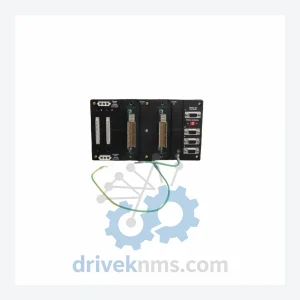
Foxboro RH924YF Mounted Modular Controller – Obsolete I/A Series Spare Part
Foxboro RH924YF is listed for I/A Series RFQ review. Confirm quantity, condition and destination before quotation.
RFQ-ready industrial model
Model: P0400DA FBM01
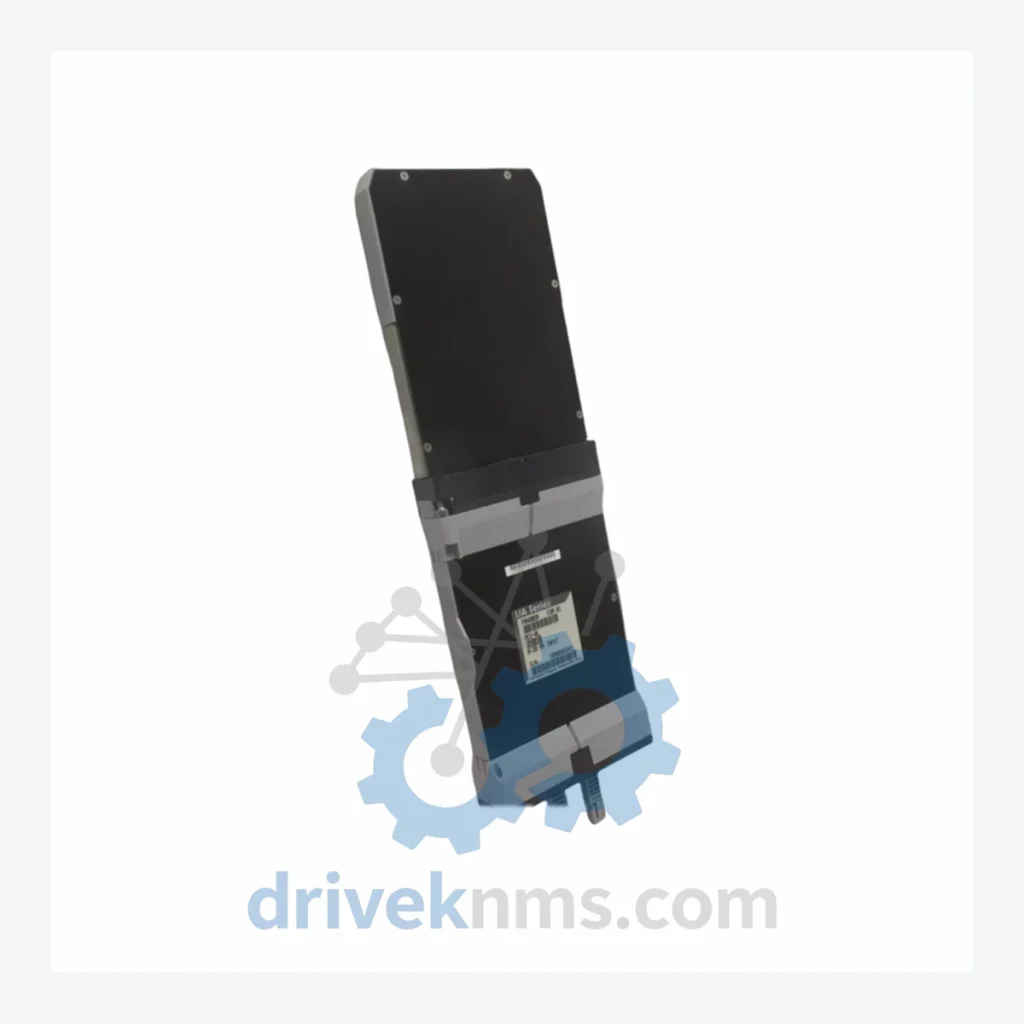
Product Overview
Commercial availability is handled through direct RFQ, model verification and export-oriented follow-up rather than public cart checkout.
Datasheet Preview
Use attached product manuals when available. If the manual is not public yet, request the full file directly through RFQ.
Commercial Path
Product pages on DRIVEKNMS are designed to verify model, brand and series first, then move the buyer into one clean quotation path.
Technical Dossier
RFQ support for obsolete parts: Send the model number, required quantity and destination so DriveKNMS can confirm sourcing options before quotation.
| Parameter | Detail |
|---|---|
| Manufacturer | Foxboro (Schneider Electric) |
| Part Number | P0400DA / FBM01 |
| Module Type | Field Bus Module – Analog Input Interface |
| Platform Compatibility | Foxboro I/A Series DCS |
| Country of Origin | United States |
| Production Status | Discontinued / Obsolete – No longer manufactured |
| Typical System Environment | Foxboro I/A Series (SPECTRUM, FoxCAE era installations) |
Note: Electrical parameters such as input voltage range, channel count, and signal type are not published here to avoid inaccuracy. Confirmed specifications are provided upon request with supporting documentation.
The Foxboro I/A Series DCS was a dominant platform in process automation from the 1980s through the 2000s. Many facilities that installed these systems during that era are still operating them today — not out of inertia, but because the cost and risk of a full DCS migration are prohibitive. A complete I/A Series replacement project, including engineering, hardware, software licensing, loop checkout, and operator retraining, routinely exceeds USD 2–5 million for a mid-sized plant. Against that figure, the cost of maintaining a strategic spare parts inventory is negligible.
The FBM01 (P0400DA) is an input interface module that sits at the boundary between field instrumentation and the I/A Series controller network. Its failure removes the system's ability to read process variables from connected field devices — effectively blinding the control system to that section of the plant. Because this module communicates using Foxboro's proprietary fieldbus protocol, there is no generic off-the-shelf substitute. Replacement requires an identical or directly compatible Foxboro module. With OEM production ceased and authorized channel inventory exhausted, the secondary market is the only remaining source.
Facilities that have extended I/A Series system life by 5–10 years beyond the OEM's end-of-support date consistently share a common strategy: they identified critical single-point-of-failure modules early, sourced verified spares before market availability collapsed, and established a documented maintenance protocol for aging hardware. The P0400DA FBM01 is precisely the type of module that belongs on that critical spares list. Electrolytic capacitor degradation, connector oxidation, and firmware version mismatches are the three failure modes that account for the majority of field failures in modules of this age. Each is manageable with the right spare and the right inspection process — neither requires a system upgrade.
DriveKNMS applies a structured 5-step inspection and reconditioning protocol to all obsolete modules before dispatch review:
Modules are shipped in anti-static packaging with full inspection documentation. Condition grade (New, Refurbished-Grade A, or Tested-Used) is clearly stated on the invoice and packing list.
Q: Should we buy more than one unit as a long-term reserve?
A: For any I/A Series installation with no planned migration within the next 3–5 years, holding a minimum of one cold spare per critical FBM type is standard practice. For high-criticality loops — safety instrumented functions, primary process control — two spares is the defensible position. Market availability of P0400DA units will not improve over time.
Continue The Model Path
Move from this exact model into the matching system hub, brand archive, model-family archive or lifecycle sourcing route before sending a final RFQ list.
Related Paths
Foxboro RH924YF is listed for I/A Series RFQ review. Confirm quantity, condition and destination before quotation.
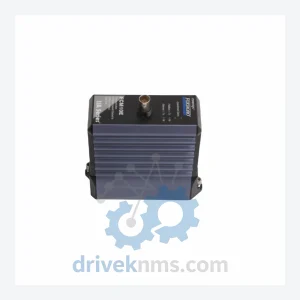
Foxboro FCM10E P0914YM is listed for I/A Series RFQ review. Confirm quantity, condition and destination before quotation.
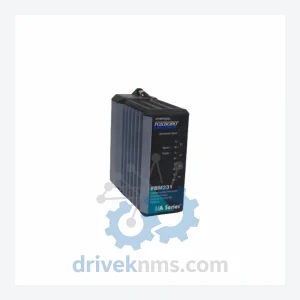
Foxboro AO2 is listed for I/A Series RFQ review. Confirm quantity, condition and destination before quotation.