
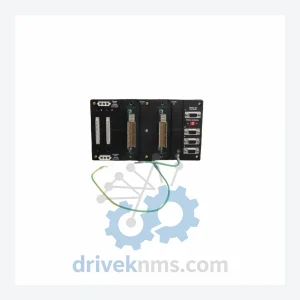
Foxboro RH924YF Mounted Modular Controller – Obsolete I/A Series Spare Part
Foxboro RH924YF is listed for I/A Series RFQ review. Confirm quantity, condition and destination before quotation.
RFQ-ready industrial model
Model: E989PPJ
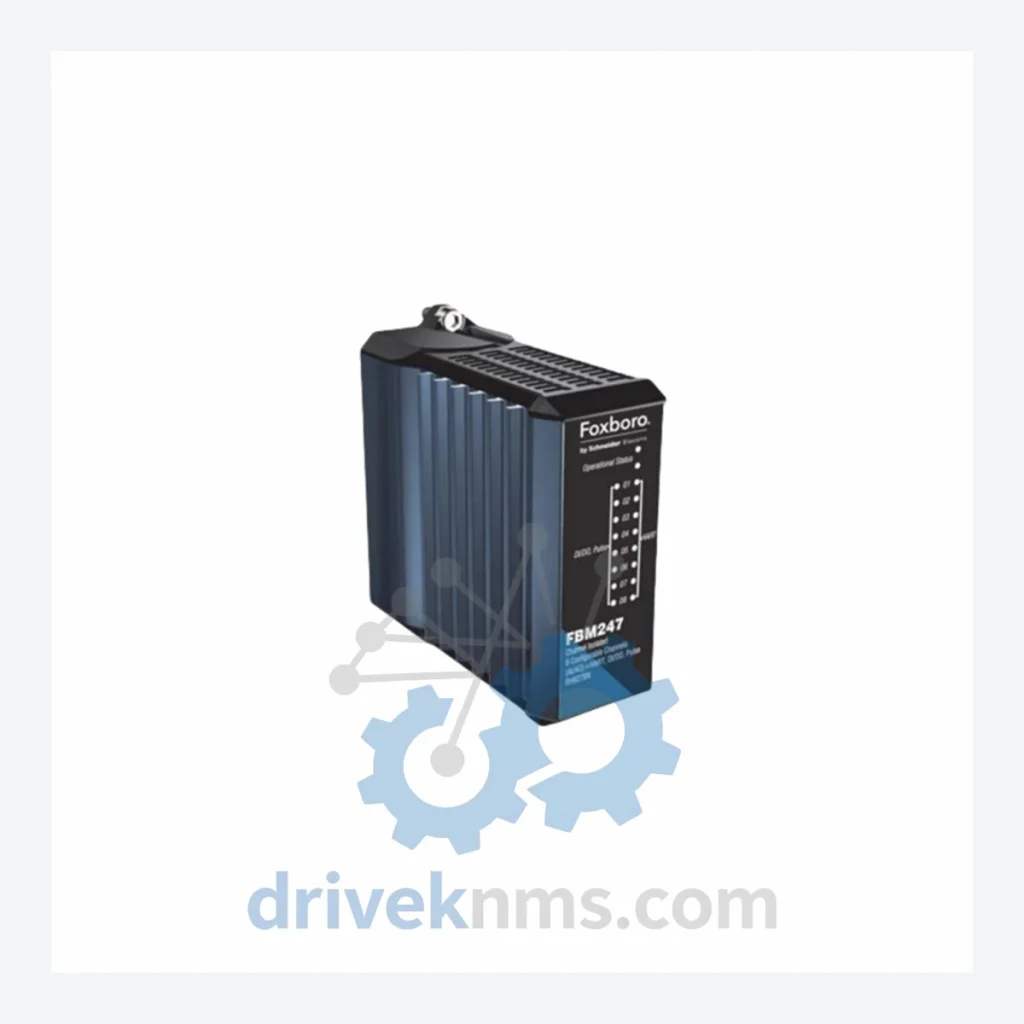
Product Overview
Commercial availability is handled through direct RFQ, model verification and export-oriented follow-up rather than public cart checkout.
Datasheet Preview
Use attached product manuals when available. If the manual is not public yet, request the full file directly through RFQ.
Commercial Path
Product pages on DRIVEKNMS are designed to verify model, brand and series first, then move the buyer into one clean quotation path.
Technical Dossier
The Foxboro I/A Series (Intelligent Automation Series) is one of the most widely deployed Distributed Control System (DCS) platforms in global heavy industry. Installed across petrochemical complexes, nuclear power stations, offshore platforms, crude oil refineries, and pulp & paper mills, the I/A Series has maintained a continuous field presence since its commercial introduction in the mid-1980s. Its modular, redundancy-capable architecture made it the reference standard for process control in facilities requiring continuous, uninterrupted operation over multi-decade lifecycles. The E989PPJ — a molded PPO/thermoplastic structural component — is representative of the platform's design philosophy: standardized, field-replaceable hardware engineered for long-term serviceability in harsh industrial environments.
The I/A Series was introduced by Foxboro (now a Schneider Electric brand under the Foxboro/Triconex portfolio) in 1987 as a successor to the SPEC 200 and FOX 3 platforms. Its architecture is built around the Nodebus and Fieldbus communication backplanes, enabling distributed I/O across large plant footprints without centralized wiring bottlenecks.
Early generations (circa 1987–1995) relied on the CP10 and CP30 control processors paired with FBM (Fieldbus Module) I/O blocks. The mid-generation transition (1995–2005) introduced the CP40, CP60, and AW51 workstations, alongside expanded FBM variants supporting HART, FOUNDATION Fieldbus, and Profibus protocols. The modern I/A Series (2005–present) integrates with Foxboro EVO, offering migration paths while maintaining backward compatibility with legacy FBM hardware — a critical factor for facilities that cannot afford full DCS replacement. Structural and enclosure components such as the E989PPJ span all generations, as physical chassis and mounting hardware are rarely redesigned during platform evolution.
The following SKUs represent verified, commonly stocked I/A Series modules and components. Each entry reflects a distinct functional role within the platform architecture.
Control Processors
Fieldbus Modules (FBM) – Analog I/O
Fieldbus Modules (FBM) – Digital I/O
Communication & Interface Modules
Power Supply Units
Structural & Enclosure Components
I/A Series hardware presents specific verification challenges due to the platform's multi-decade production history and the existence of multiple hardware revisions within a single part number. DriveKNMS applies the following inspection protocol to all I/A Series inventory:
Continue The Model Path
Move from this exact model into the matching system hub, brand archive, model-family archive or lifecycle sourcing route before sending a final RFQ list.
Related Paths
Foxboro RH924YF is listed for I/A Series RFQ review. Confirm quantity, condition and destination before quotation.
Foxboro FCM10E P0914YM is listed for I/A Series RFQ review. Confirm quantity, condition and destination before quotation.
Foxboro AO2 is listed for I/A Series RFQ review. Confirm quantity, condition and destination before quotation.