
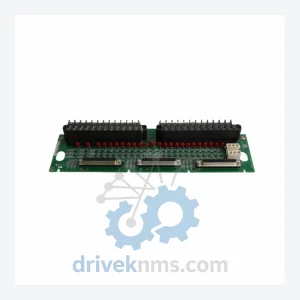
GE Fanuc IS200TBCIS2CCD I/O Terminal Board – Mark VI Redundant Control System
GE Fanuc IS200TBCIS2CCD is listed for Mark VI RFQ review. Confirm quantity, condition and destination before quotation.
RFQ-ready industrial model
Model: 151X1249BR01SA01
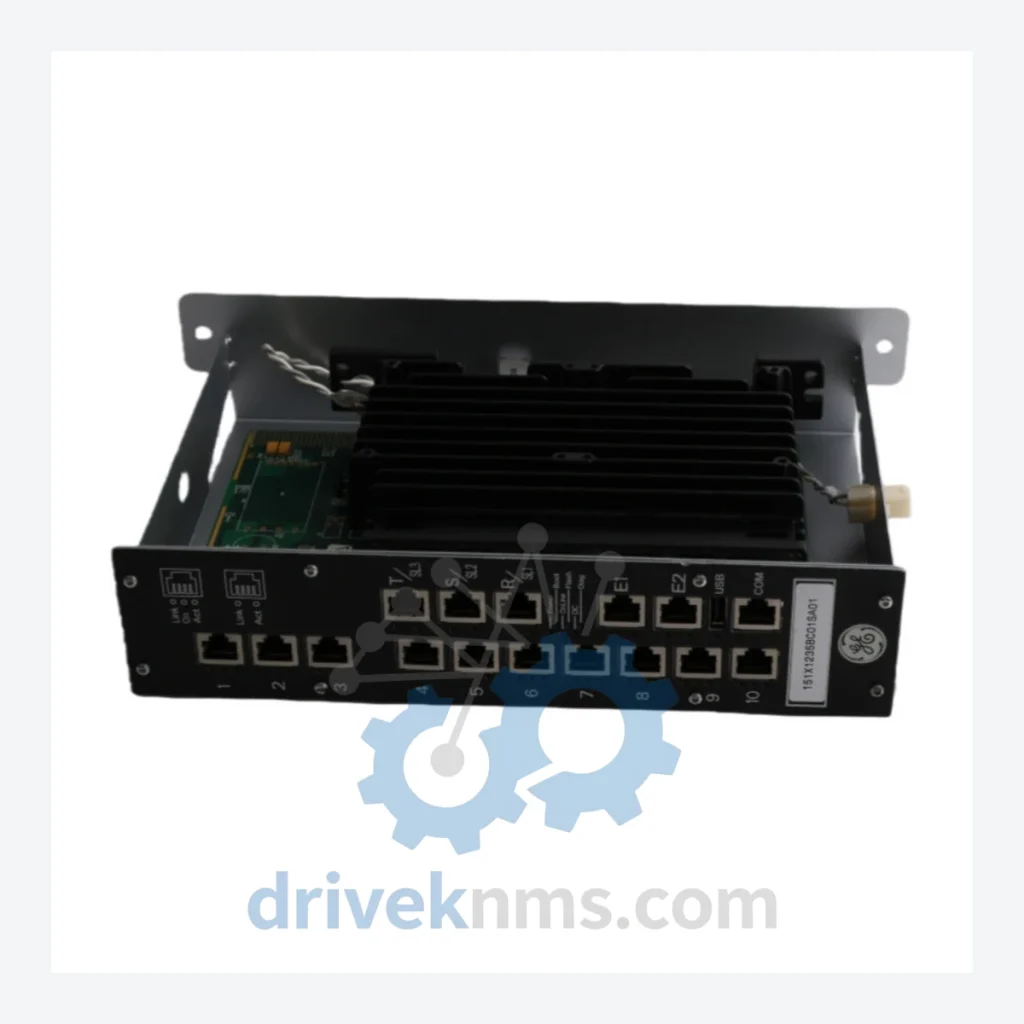
Product Overview
Commercial availability is handled through direct RFQ, model verification and export-oriented follow-up rather than public cart checkout.
Datasheet Preview
Use attached product manuals when available. If the manual is not public yet, request the full file directly through RFQ.
Commercial Path
Product pages on DRIVEKNMS are designed to verify model, brand and series first, then move the buyer into one clean quotation path.
Technical Dossier
The GE turbine control lineage begins with the Mark I relay-based system of the 1960s, progressing through the Mark II (analog electronics), Mark III (early digital), and Mark IV (microprocessor-based) platforms. The Mark V, introduced in the late 1980s, established the distributed I/O model and ARCNET communications backbone that defined the series. The Mark VI, released in the mid-1990s and refined through the 2000s, replaced ARCNET with the IONet Ethernet-based I/O bus and introduced the UCSC (Unit Controller Simplex/Core) and VCMI (VME Communications Module Interface) architecture. The Mark VIe followed, adopting IEC 61131-3 programming standards and Ethernet-based I/O over the IONet protocol, enabling integration with modern DCS platforms including GE's own Proficy HMI/SCADA. Compatibility between Mark V and Mark VI is limited to physical rack dimensions and some terminal board pinouts; firmware and communication protocols are not interchangeable. Facilities running Mark V hardware that migrate to Mark VI must replace all controller cards while potentially retaining terminal boards and field wiring, a critical cost consideration for lifecycle planning.
The following verified SKUs represent the core module population of the GE Mark VI platform, organized by functional category. Each module is a discrete line-replaceable unit (LRU) within the Mark VI I/O rack or controller chassis.
Controller / CPU Modules
Analog Input / Output Modules
Digital Input / Output Modules
Communication / Network Modules
Power Supply Modules
GE formally transitioned Mark VI support to Baker Hughes GE (BHGE) following the 2017 merger. As of 2024, the Mark VI platform is classified as a mature/end-of-active-development system, with GE Digital and BHGE offering migration paths to the Mark VIe and Mark VIeS. New manufacture of many Mark VI board-level assemblies has ceased, making the secondary market the primary source for like-for-like replacements.
Mark VI modules present specific test challenges due to their VME backplane architecture, IONet Ethernet dependency, and FPGA-based I/O processing. DriveKNMS applies the following test protocol to all Mark VI units prior to shipment:
Continue The Model Path
Move from this exact model into the matching system hub, brand archive, model-family archive or lifecycle sourcing route before sending a final RFQ list.
Related Paths
GE Fanuc IS200TBCIS2CCD is listed for Mark VI RFQ review. Confirm quantity, condition and destination before quotation.
General Electric DS200TBQDG1AFF is listed for Mark VI RFQ review. Confirm quantity, condition and destination before quotation.
General Electric 531X306LCCBEG3 is listed for Mark VI RFQ review. Confirm quantity, condition and destination before quotation.