
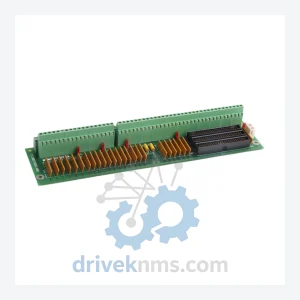
GE DS200DTBBG1ABB PC Board – Obsolete Mark V Spare Part
General Electric DS200DTBBG1ABB is listed for Mark V RFQ review. Confirm quantity, condition and destination before quotation.
RFQ-ready industrial model
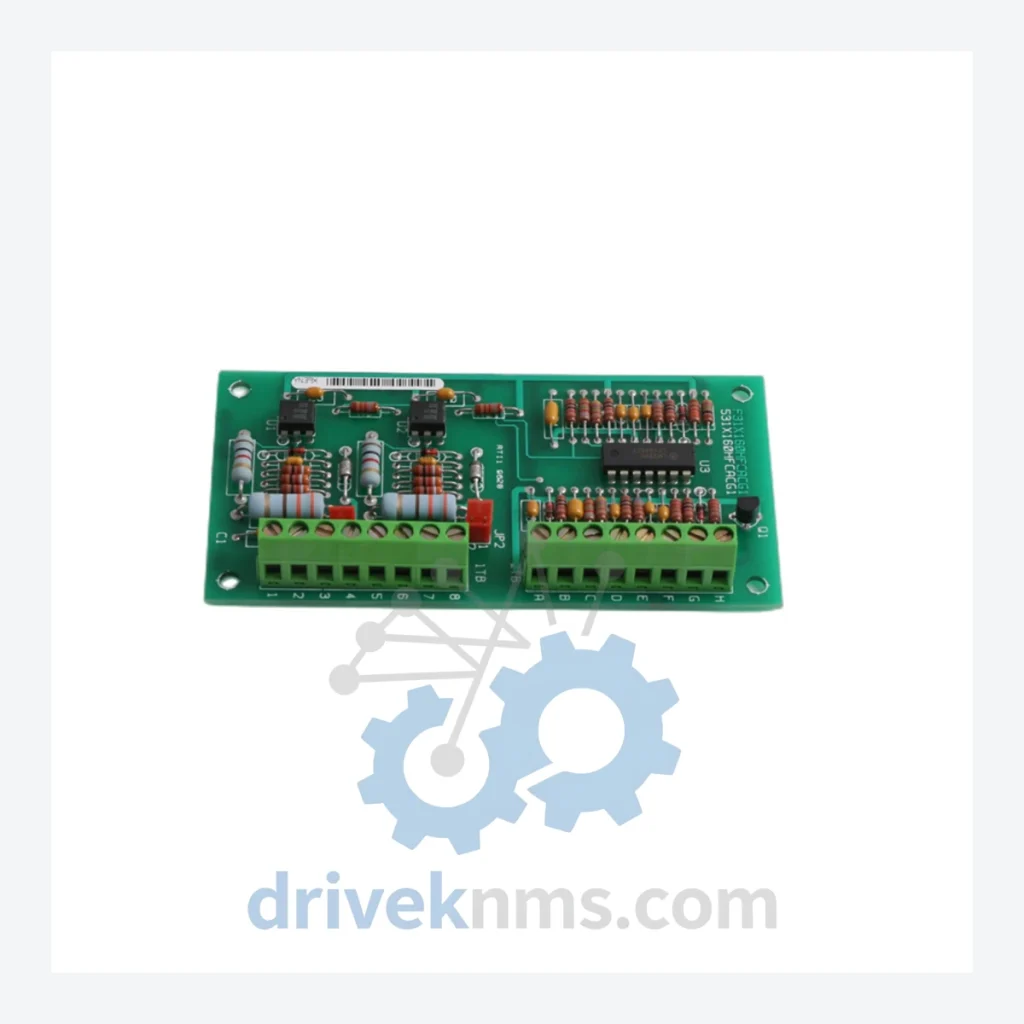
Model: 531X160HFCACG1
Product Overview
Commercial availability is handled through direct RFQ, model verification and export-oriented follow-up rather than public cart checkout.
Datasheet Preview
Use attached product manuals when available. If the manual is not public yet, request the full file directly through RFQ.
Commercial Path
Product pages on DRIVEKNMS are designed to verify model, brand and series first, then move the buyer into one clean quotation path.
Technical Dossier
DriveKNMS maintains RFQ-reviewed sourcing status of the 531X160HFCACG1. This is not a broker listing. Inventory is inspected, documented, and ready for RFQ review where applicable.
RFQ support for obsolete parts: Send the model number, required quantity and destination so DriveKNMS can confirm sourcing options before quotation.
| Part Number | 531X160HFCACG1 |
| Manufacturer | GE (General Electric) |
| Series | Mark V Turbine Control System |
| Board Function | Home/Flag Board – manages I/O status flagging and home position signaling within the Mark V control architecture |
| OEM Discontinuation Status | Discontinued / Obsolete – no longer manufactured or supported by GE |
| Compatible Systems | GE Mark V (TMR and Simplex configurations), GE EX2000 Excitation Systems |
| Country of Origin | United States |
| Condition Available | New surplus / Professionally refurbished (see QA section below) |
Note: Electrical parameters specific to board-level voltages and signal ranges are not published here to prevent misapplication. Contact our technical team for configuration verification before ordering.
The GE Mark V platform was the backbone of gas turbine, steam turbine, and combined-cycle power generation control from the late 1980s through the early 2000s. Thousands of units remain in active service globally — in power plants, petrochemical facilities, and industrial cogeneration sites — because the cost and operational disruption of replacing a functioning Mark V system cannot be justified on a financial basis alone.
The Home/Flag Board (531X160HFCACG1) sits within the Mark V's I/O and status monitoring architecture. Its failure does not produce a graceful degradation. In a TMR (Triple Modular Redundant) configuration, a failed board triggers voting logic anomalies that can force a controlled shutdown. In simplex configurations, the consequence is more direct: the turbine trips.
There is no modern drop-in equivalent from GE. The Mark VIe uses an entirely different hardware and software architecture. Migrating to it requires new I/O modules, new HMI infrastructure, new cabling, and — critically — a full re-engineering of the control logic. For a mid-size power plant, this is a 12–24 month project. Maintaining a spare 531X160HFCACG1 on the shelf is not a workaround. It is the only rational asset protection strategy for facilities that cannot absorb that timeline.
For plant managers and reliability engineers operating GE Mark V systems under retirement pressure, the following approach has been validated across multiple facilities to defer capital replacement while maintaining operational integrity:
3. Firmware Version Control: Mark V firmware versions are not interchangeable across all hardware revisions. Before installing any replacement board, verify firmware compatibility with your existing set. DriveKNMS technical staff can assist with version identification.
Q: How are RFQ terms confirmed?
A: Quantity, required condition, documentation needs, destination and sourcing route are confirmed during RFQ review before quotation.
5. Documented Spare Rotation: Spare boards should be stored in anti-static packaging in a climate-controlled environment and rotated into service periodically to prevent storage-induced degradation. Boards that sit unused for more than 5 years without inspection are not reliable emergency spares.
DriveKNMS applies a 5-step inspection protocol to all obsolete boards before dispatch review:
Step 1 – Visual Inspection: Full board examination for physical damage, burnt components, cracked solder joints, and connector pin corrosion. Boards with visible corrosion on edge connectors or IC sockets are rejected at this stage.
Step 2 – Electrolytic Capacitor Assessment: Capacitors are tested for ESR (Equivalent Series Resistance) and capacitance value. Any capacitor measuring outside tolerance is flagged. For boards designated for refurbishment, all electrolytic capacitors are replaced as a standard procedure — not selectively.
Step 3 – Firmware Version Verification: EPROM/PROM markings are documented and cross-referenced against known Mark V firmware revision records. Firmware version is disclosed in the shipment documentation.
Step 4 – Functional Bench Test (where applicable): Boards are tested on compatible test fixtures where available. Test results are documented. Boards that cannot be bench-tested are shipped as inspected surplus with full disclosure.
Step 5 – Packaging and Documentation: Boards are packaged in anti-static bags with desiccant, placed in foam-lined boxes, and shipped with an inspection report. Serial numbers and any visible revision markings are photographed and included in the shipment record.
Drop-in Replacement: The 531X160HFCACG1 installs directly into the existing Mark V board slot. No hardware modification to the cabinet is required.
No Reprogramming Required: The board's operating parameters are determined by the Mark V system firmware and configuration, not by the board itself. Replacement does not require re-engineering of control logic or HMI reconfiguration.
Avoids Engineering Reconstruction Costs: Using a verified spare board eliminates the need to engage a controls engineering firm for system redesign. The cost differential between a spare board and a system migration project is not marginal — it is structural.
Q: Should I buy more than one unit?
A: For any facility operating a Mark V system without a documented spare, the answer is yes. The 531X160HFCACG1 is not a component that can be sourced on short notice during an outage. Market availability is finite and declining. Facilities with multiple Mark V units should consider holding a minimum of two spares per installation.
Continue The Model Path
Move from this exact model into the matching system hub, brand archive, model-family archive or lifecycle sourcing route before sending a final RFQ list.
Related Paths
General Electric DS200DTBBG1ABB is listed for Mark V RFQ review. Confirm quantity, condition and destination before quotation.
General Electric DS200TBCAG1AAB is listed for Mark V RFQ review. Confirm quantity, condition and destination before quotation.
General Electric DS200TCPSG1APE is listed for Mark V RFQ review. Confirm quantity, condition and destination before quotation.