
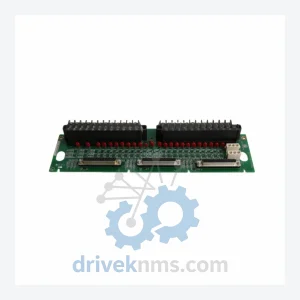
GE Fanuc IS200TBCIS2CCD I/O Terminal Board – Mark VI Redundant Control System
GE Fanuc IS200TBCIS2CCD is listed for Mark VI RFQ review. Confirm quantity, condition and destination before quotation.
RFQ-ready industrial model
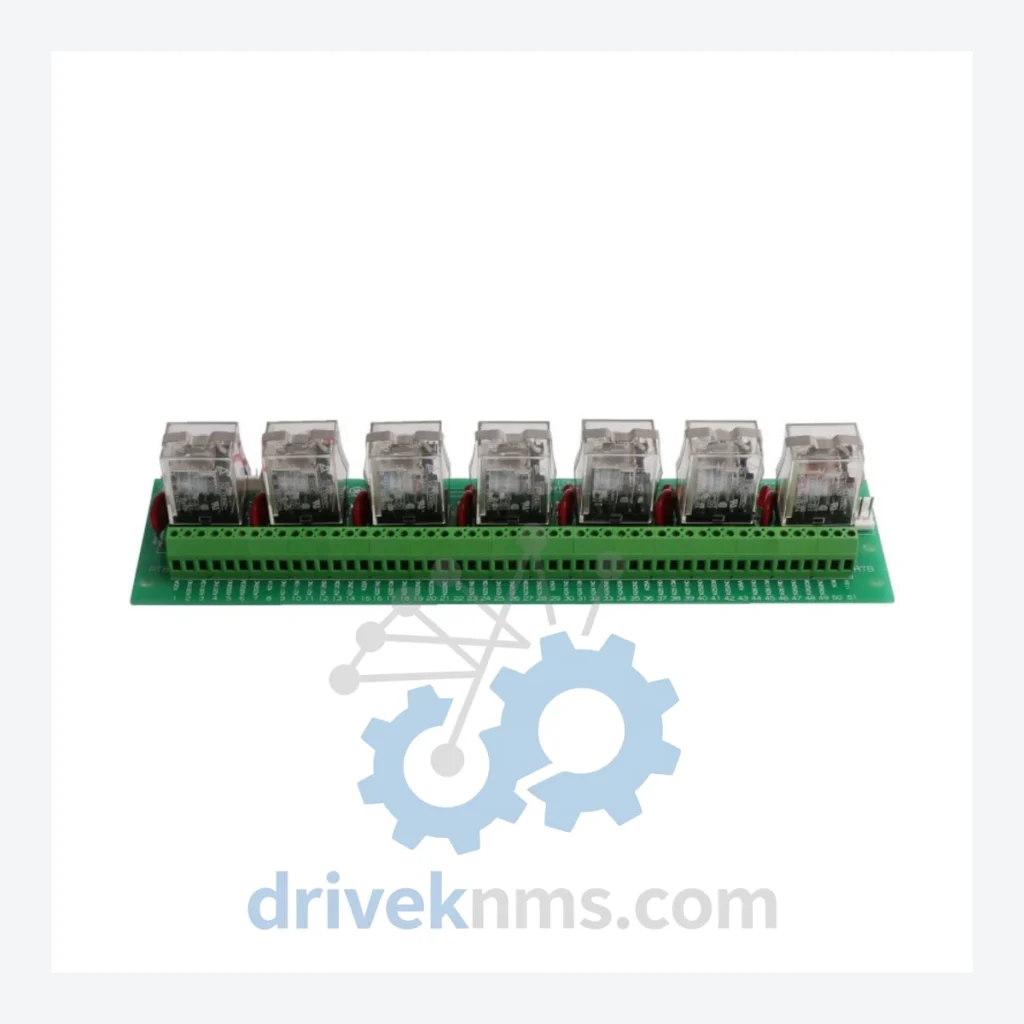
Model: 531X191RTBAJG1
Product Overview
Commercial availability is handled through direct RFQ, model verification and export-oriented follow-up rather than public cart checkout.
Datasheet Preview
Use attached product manuals when available. If the manual is not public yet, request the full file directly through RFQ.
Commercial Path
Product pages on DRIVEKNMS are designed to verify model, brand and series first, then move the buyer into one clean quotation path.
Technical Dossier
The GE Mark VI Speedtronic turbine control system is one of the most widely deployed distributed control platforms in global heavy industry. Installed across gas turbine power plants, combined-cycle facilities, petrochemical refineries, offshore platforms, and nuclear auxiliary systems, the Mark VI architecture represents GE's transition from relay-based and analog control to fully digital, redundant turbine management. The 531X series constitutes the core I/O, communication, and processing module family within the Mark VI ecosystem. These modules are found in critical baseload and peaking generation assets across North America, the Middle East, Southeast Asia, and Europe, with installed base units frequently requiring long-term spare parts support well beyond the original OEM support window.
The 531X module family was introduced as part of the Mark VI control system platform in the mid-1990s, succeeding the Mark V (DS200 series) architecture. The Mark VI introduced VME-based backplane communication, replacing the earlier parallel bus structures of the Mark V. The 531X modules operate within the VCMI (VME Communication Module Interface) framework, interfacing with the Mark VI's triple-redundant R, S, and T controller racks.
Key architectural milestones include the transition from single-channel I/O to redundant I/O configurations, the introduction of high-density terminal board options (TB suffix variants), and the integration of ARCNET and Ethernet-based communication adapters. Compatibility between 531X revisions requires careful attention to firmware version alignment — particularly between controller modules (PPRO, PTUR) and their associated I/O boards. Mixing early-revision (suffix G1/G2) with later-revision (suffix M7) modules without firmware validation is a known source of system faults in field maintenance scenarios.
As of 2026, the Mark VI platform has entered its mature/end-of-life phase, with GE having transitioned its turbine control portfolio to the Mark VIe (IS200 series). However, the installed base of Mark VI systems remains substantial, and 531X modules continue to be required for maintenance, emergency replacement, and life extension programs at facilities that have not yet migrated to Mark VIe.
The following represents a verified cross-section of the 531X module family, organized by functional category. All models listed are confirmed components within the GE Mark VI Speedtronic control architecture.
Controller & Processor Modules
531X300CCHAFM7: Mark VI main controller board, triple-redundant VCMI interface, high-revision M7 firmware.
531X300CCHAFG2: Mark VI main controller board, earlier G2 revision, compatible with legacy Mark VI racks.
531X301DCIAJM1: Digital contact input module, 24VDC logic, 32-channel, M1 revision.
531X301DCIAJG1: Digital contact input module, 24VDC logic, 32-channel, G1 base revision.
I/O Modules — Digital Input
531X305NTBAPG1: Neutral terminal board, passive wiring interface for DI signal conditioning.
531X307LTBAKG1: Low-level terminal board, thermocouple and RTD input interface, K-type calibration.
531X308HSTBAG1: High-speed terminal board, pulse and frequency input, turbine speed sensing interface.
531X309SPCAJG1: Speed/position card, magnetic pickup interface, dual-channel redundant speed sensing.
I/O Modules — Analog & Mixed Signal
531X111PSHARG3: Analog output module, 4–20mA, 8-channel, servo and valve positioner interface.
531X124MSDAJG1: Multi-function signal distribution board, analog signal routing and isolation.
531X133PRUAIG1: Proportional relay unit, analog input processing with relay output stage.
531X135PRTAEG2: Protection relay terminal board, E-revision, overspeed and flame detection interface.
531X139APMASM7: Analog process module, 16-channel AI, 4–20mA/0–10V selectable, M7 revision.
Communication & Interface Modules
531X175SSBAYG1: Serial communication board, RS-232/RS-485, HMI and historian interface.
531X182ISHAFG2: Isolated signal handler, analog input isolation and signal conditioning, G2 revision.
Terminal Board — Current Product
531X191RTBAJG1: RTB (Remote Terminal Board) TB Option Card — provides extended terminal block connectivity for remote I/O marshalling within the Mark VI cabinet architecture. Used in applications requiring physical separation between the controller rack and field wiring termination points. Compatible with Mark VI R, S, T redundant rack configurations.
The 531X module family presents specific test challenges due to its VME backplane architecture and multi-board interdependencies. DriveKNMS applies the following verification protocol to all 531X units prior to dispatch:
1. Visual inspection: PCB condition, connector pin integrity, capacitor condition, conformal coating assessment.
2. Backplane continuity test: VME bus signal verification across all active address and data lines.
3. Functional power-on test: Module initialization in a live Mark VI test rack with known-good controller and I/O complement.
4. Communication verification: ARCNET/Ethernet link establishment and data exchange confirmation where applicable.
5. Revision and firmware audit: Confirmation of hardware revision suffix and embedded firmware version against GE compatibility matrices.
6. Burn-in cycle: 48-hour operational test under simulated load conditions for high-value controller and analog modules.
All tested units are issued with a DriveKNMS inspection report documenting test date, technician ID, and pass/fail criteria results.
Continue The Model Path
Move from this exact model into the matching system hub, brand archive, model-family archive or lifecycle sourcing route before sending a final RFQ list.
Related Paths
GE Fanuc IS200TBCIS2CCD is listed for Mark VI RFQ review. Confirm quantity, condition and destination before quotation.
General Electric DS200SLCCG1AFG is listed for Mark VI RFQ review. Confirm quantity, condition and destination before quotation.
General Electric DS200LPPAG1A is listed for Mark VI RFQ review. Confirm quantity, condition and destination before quotation.