
GE Fanuc IS200TBCIS2CCD I/O Terminal Board – Mark VI Redundant Control System
GE Fanuc IS200TBCIS2CCD is listed for Mark VI RFQ review. Confirm quantity, condition and destination before quotation.
RFQ-ready industrial model
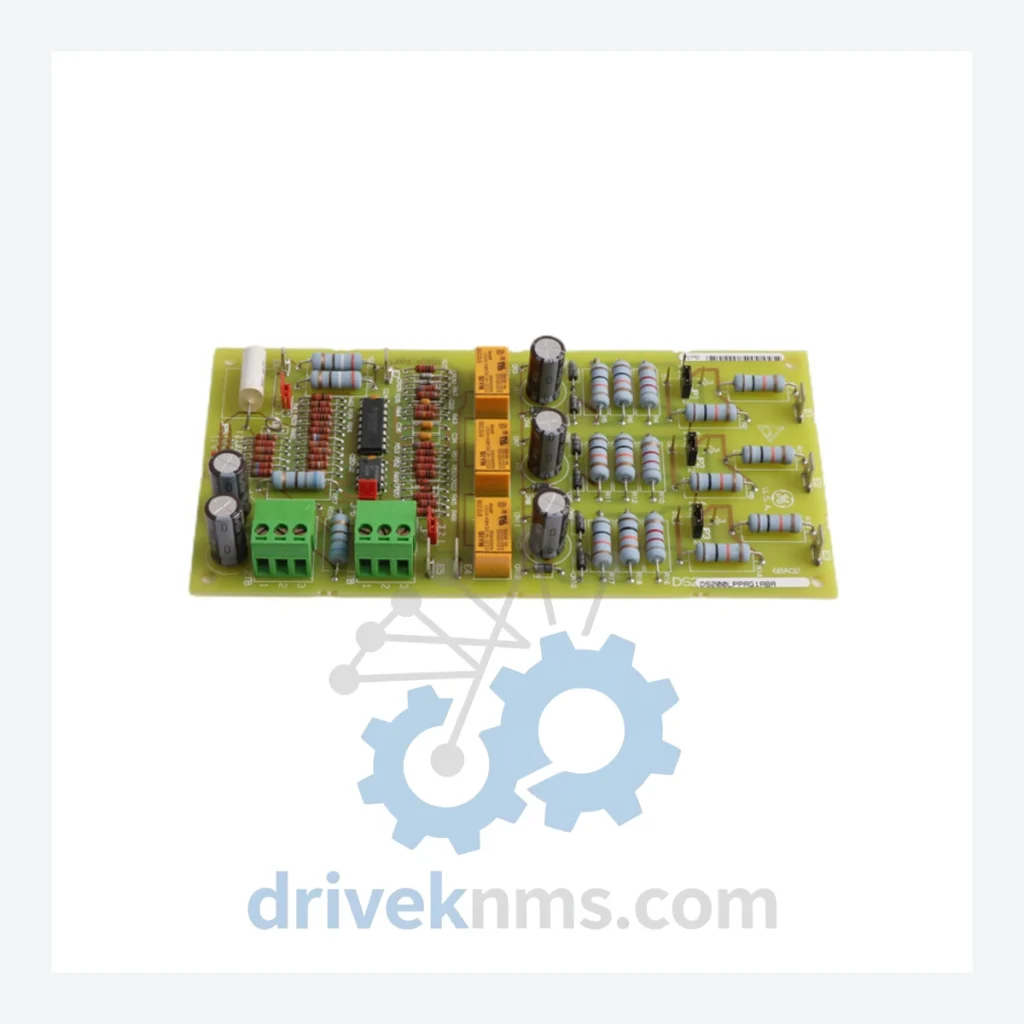
Model: DS200LPPAG1A
Product Overview
Commercial availability is handled through direct RFQ, model verification and export-oriented follow-up rather than public cart checkout.
Datasheet Preview
Use attached product manuals when available. If the manual is not public yet, request the full file directly through RFQ.
Commercial Path
Product pages on DRIVEKNMS are designed to verify model, brand and series first, then move the buyer into one clean quotation path.
Technical Dossier
A single failed DS200LPPAG1A can bring an entire gas or steam turbine unit offline. For plants still operating on GE Mark VI or Mark VIe turbine control platforms, the cost of an unplanned outage — or worse, a forced migration to a newer control architecture — runs into the millions. Engineering hours, re-commissioning, retraining, and production loss compound quickly. DriveKNMS holds RFQ-reviewed sourcing status of this discontinued board. This is not a catalog listing. This is a real unit, inspected and ready to ship.
RFQ support for obsolete parts: Send the model number, required quantity and destination so DriveKNMS can confirm sourcing options before quotation.
| Part Number | DS200LPPAG1A |
| Manufacturer | GE (General Electric) |
| Series | Mark VI / Mark VIe Turbine Control |
| Function | Line Protection Board |
| Country of Origin | United States |
| Product Status | Discontinued / Obsolete |
| Compatible Systems | GE Mark VI, Mark VIe turbine control platforms |
| Condition Available | New surplus / Professionally refurbished |
Note: Electrical parameters are not published here to prevent misapplication. Contact our technical team for verified specifications matching your exact system revision.
GE's Mark VI turbine control system has been the backbone of power generation facilities worldwide for decades. When GE transitioned its turbine control portfolio, the DS200LPPAG1A entered end-of-life status — meaning no new production runs, no OEM restocking, and no factory support for replacement procurement.
For plant managers and reliability engineers, this creates a concrete operational risk: the board cannot be substituted with a newer-generation component without triggering a full control system re-architecture. That process typically requires a licensed GE integrator, months of engineering work, and a planned outage window that most facilities cannot afford.
The alternative — maintaining a verified spare of the DS200LPPAG1A — costs a fraction of that exposure. Plants that have adopted a proactive obsolete-parts inventory strategy for their Mark VI systems report extended asset lifespans of 5 to 10 years beyond the OEM's intended retirement timeline. The logic is straightforward: if the control hardware remains functional and spare parts are available, there is no technical justification for a capital-intensive system upgrade.
DriveKNMS specializes in sourcing and verifying exactly these components. Our inventory is not sourced from unknown secondary markets. Each unit passes through a documented inspection process before it is offered for sale.
Obsolete boards carry age-related failure risks that standard functional testing does not catch. Our 5-step QA process is designed specifically for legacy industrial electronics:
How do I know the unit is genuine and not counterfeit?
All boards are sourced from documented industrial decommissions or verified surplus channels. Physical markings, board revisions, and component dates are cross-checked during intake inspection. We do not source from anonymous brokers.
Can you verify compatibility with my specific system revision?
Yes. Provide your Mark VI system revision and existing board part number suffix, and our technical team will confirm compatibility before you commit to purchase.
Continue The Model Path
Move from this exact model into the matching system hub, brand archive, model-family archive or lifecycle sourcing route before sending a final RFQ list.
Related Paths
GE Fanuc IS200TBCIS2CCD is listed for Mark VI RFQ review. Confirm quantity, condition and destination before quotation.
General Electric 531X191RTBAJG1 is listed for Mark VI RFQ review. Confirm quantity, condition and destination before quotation.
General Electric DS200SLCCG1AFG is listed for Mark VI RFQ review. Confirm quantity, condition and destination before quotation.