
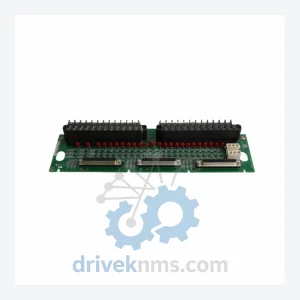
GE Fanuc IS200TBCIS2CCD I/O Terminal Board – Mark VI Redundant Control System
GE Fanuc IS200TBCIS2CCD is listed for Mark VI RFQ review. Confirm quantity, condition and destination before quotation.
RFQ-ready industrial model
Model: 531X306LCCBEG3
Product Overview
Commercial availability is handled through direct RFQ, model verification and export-oriented follow-up rather than public cart checkout.
Datasheet Preview
Use attached product manuals when available. If the manual is not public yet, request the full file directly through RFQ.
Commercial Path
Product pages on DRIVEKNMS are designed to verify model, brand and series first, then move the buyer into one clean quotation path.
Technical Dossier
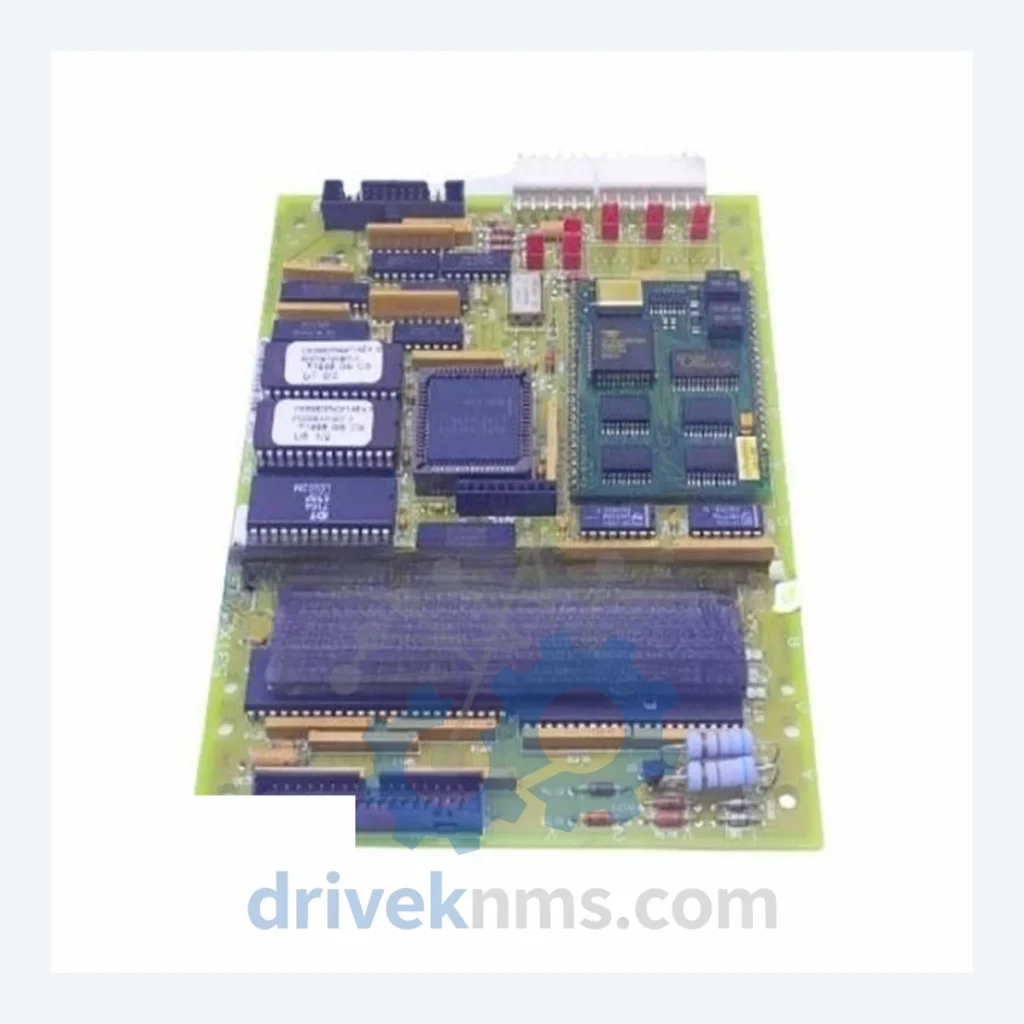
When the GE Mark VI Speedtronic turbine control system was engineered, the 531X306LCCBEG3 LAN Communications Card was a critical node in the network architecture — responsible for real-time data exchange between the controller core and field devices. GE discontinued this card along with the broader Mark VI platform. Replacement is no longer available through OEM channels.
For plant managers operating gas turbines, steam turbines, or combined-cycle units still governed by Mark VI controllers, the failure of a single 531X306LCCBEG3 card does not merely cause a maintenance event. It triggers a forced decision: source the part from the secondary market, or commit to a full control system migration. A Mark VI-to-Mark VIe or third-party DCS migration on a single turbine unit routinely costs USD 1.5 million to USD 4 million, excluding lost production during the transition window. Against that figure, a verified spare card represents a fraction of the cost — and buys years of continued operation without engineering disruption.
RFQ support for obsolete parts: Send the model number, required quantity and destination so DriveKNMS can confirm sourcing options before quotation.
| Parameter | Detail |
|---|---|
| Part Number | 531X306LCCBEG3 |
| Manufacturer | GE (General Electric) |
| Series / Platform | Mark VI Speedtronic Turbine Control System |
| Card Function | LAN Communications Card – network interface for Mark VI controller I/O and inter-module communication |
| Country of Origin | United States |
| OEM Status | Discontinued / Obsolete – no longer manufactured or supported by GE |
| Compatible Systems | GE Mark VI Speedtronic (gas turbine, steam turbine, combined-cycle applications) |
| Condition Available | New surplus / Tested refurbished (specified at time of order) |
The GE Mark VI Speedtronic platform entered service in the 1990s and remained in active deployment through the 2000s across power generation facilities worldwide. GE's transition to the Mark VIe architecture effectively ended hardware support for Mark VI components, including the 531X306LCCBEG3. Facilities that have not yet migrated — and many have not, due to capital constraints or operational continuity requirements — now face a shrinking pool of available spare parts.
The LAN Communications Card is not a peripheral component. It manages the communication backbone between the Mark VI's VCMI (VME Communications Module Interface) and the broader control network. A failed card results in loss of supervisory visibility, potential trip conditions, and in some configurations, inability to restart the unit safely. There is no software workaround. The physical card must be replaced with a compatible unit.
The secondary market for Mark VI components has tightened considerably since 2020. Units that were decommissioned and parted out in the early 2010s have largely been absorbed. Facilities that did not build inventory positions during that window are now competing for a diminishing supply. Procurement decisions that were once low-urgency have become time-sensitive.
DriveKNMS applies a five-step quality process to all obsolete and legacy control system components before dispatch review:
Each unit ships with a condition report. Customers are advised to retain this documentation for their maintenance records.
Q: How is condition confirmed before quotation?
A: Available condition, photos, test records and documentation are checked according to the requested model and sourcing channel before a formal RFQ response.
Can this card be used across different Mark VI configurations?
Compatibility depends on the specific Mark VI hardware revision and network topology in your installation. DriveKNMS recommends providing your existing card's full part number and revision marking before ordering to confirm compatibility. Our technical team can assist with cross-reference verification.
Q: How are RFQ terms confirmed?
A: Quantity, required condition, documentation needs, destination and sourcing route are confirmed during RFQ review before quotation.
Continue The Model Path
Move from this exact model into the matching system hub, brand archive, model-family archive or lifecycle sourcing route before sending a final RFQ list.
Related Paths
GE Fanuc IS200TBCIS2CCD is listed for Mark VI RFQ review. Confirm quantity, condition and destination before quotation.
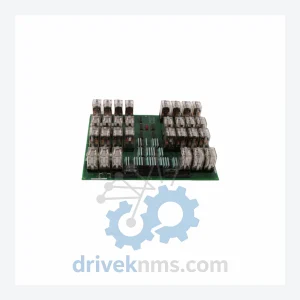
General Electric DS200TCRAG1ACC is listed for Mark VI RFQ review. Confirm quantity, condition and destination before quotation.
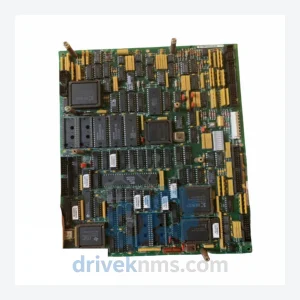
General Electric DS200SDCCG4RGD is listed for Mark VI RFQ review. Confirm quantity, condition and destination before quotation.