
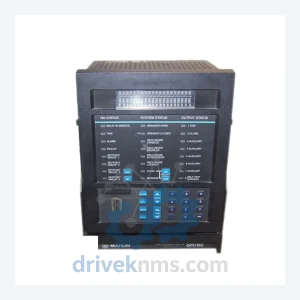
GE SR760 Feeder Management Relay 760-P1-G1-S1-HI-A20-R
GE Grid Solutions SR760 760-P1-G1-S1-HI-A20-R is listed for Protection Relays RFQ review. Confirm quantity, condition and destination before quotation.
RFQ-ready industrial model
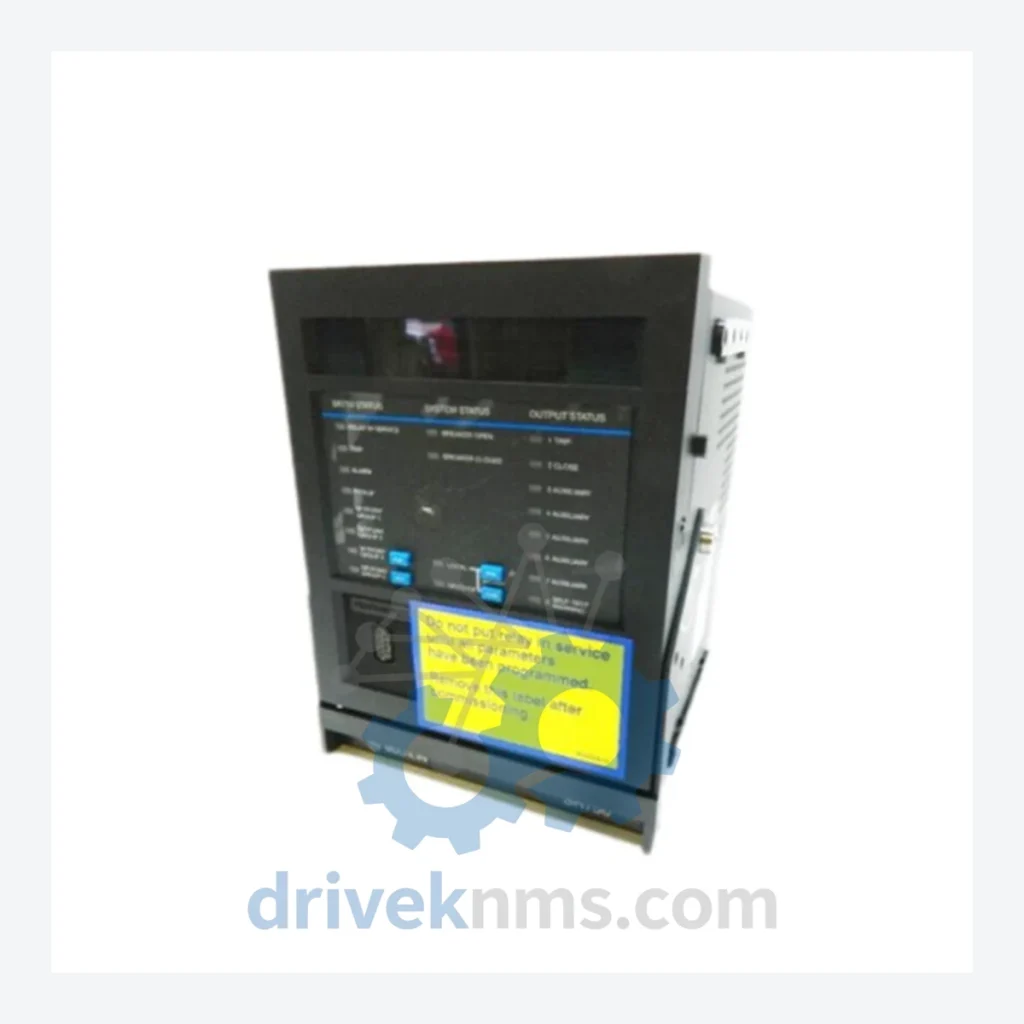
Model: 750-P5-G5-HI-A1-R-E
Product Overview
Commercial availability is handled through direct RFQ, model verification and export-oriented follow-up rather than public cart checkout.
Datasheet Preview
Use attached product manuals when available. If the manual is not public yet, request the full file directly through RFQ.
Commercial Path
Product pages on DRIVEKNMS are designed to verify model, brand and series first, then move the buyer into one clean quotation path.
Technical Dossier
RFQ support for obsolete parts: Send the model number, required quantity and destination so DriveKNMS can confirm sourcing options before quotation.
| Parameter | Detail |
|---|---|
| Manufacturer | GE Grid Solutions (formerly GE Multilin) |
| Model / Part Number | 750-P5-G5-HI-A1-R-E |
| Series | Multilin 750 Feeder Management Relay |
| Product Category | Feeder Protection & Control Relay |
| Discontinuation Status | Discontinued – No longer manufactured or supplied by OEM |
| Country of Origin | Canada |
| Compatible Systems | GE Multilin 750 Series feeder protection schemes; legacy distribution automation panels |
| Communication | RS-485 (Modbus RTU) per standard 750 platform configuration |
| Mounting | Standard 19-inch rack / panel flush mount per 750 series mechanical spec |
| Note on Parameters | Detailed electrical ratings (CT input range, VT input, power supply voltage) vary by order code suffix. Confirm against original relay nameplate before installation. |
The GE Multilin 750 platform was deployed extensively across utility distribution feeders, industrial plant MV switchgear, and mining electrical systems throughout the 1990s and 2000s. Its protection logic — overcurrent (50/51), ground fault (50N/51N), reclosing (79), and sync-check (25) — was engineered into site-specific protection coordination studies that took months to develop and validate. These studies are not transferable to a modern relay without a full protection review.
Facilities that have operated on the 750 platform for 15–25 years face a specific dilemma: the relay hardware ages, but the surrounding infrastructure — switchgear, CTs, VTs, SCADA wiring, and HMI logic — remains serviceable for another decade or more. Forcing a full relay replacement program to address a single failed unit is a disproportionate response. The correct engineering decision, where a verified spare exists, is to replace the failed unit in kind, restore protection, and defer the capital project to a planned outage window.
The 750-P5-G5-HI-A1-R-E is the specific hardware configuration required for that in-kind replacement. No firmware migration, no protection re-coordination, no SCADA re-mapping. The operational risk window — the period between relay failure and restored feeder protection — is reduced from months to days.
Discontinued relay hardware sourced outside OEM channels carries inherent risk if not properly evaluated. DriveKNMS applies a 5-step inspection protocol to every 750-series unit before dispatch review:
Step 1 – Electrolytic Capacitor Assessment: Capacitors in relay power supply boards are the primary age-related failure point. Each unit is inspected for capacitor bulging, electrolyte leakage, and ESR deviation. Units with degraded capacitors are reconditioned or rejected.
Step 2 – Firmware Version Verification: The installed firmware version is documented and cross-referenced against the customer's existing fleet where possible. Mismatched firmware versions between relays in a protection scheme can cause behavioral inconsistencies during fault events.
Step 3 – Terminal and Pin Corrosion Inspection: All rear terminal blocks, communication ports, and internal connector pins are inspected under magnification for oxidation, corrosion, and mechanical damage. Affected contacts are cleaned or the unit is rejected.
Step 4 – Functional Power-On Test: Each unit is powered and verified to complete its self-diagnostic sequence without fault codes. Display, LED indicators, and communication port response are confirmed.
Step 5 – Documentation Package: Each shipped unit is accompanied by a condition report, firmware version record, and inspection checklist. This documentation supports the customer's maintenance records and any future audit requirements.
The primary operational value of sourcing a 750-P5-G5-HI-A1-R-E spare is the elimination of engineering rework costs:
Drop-in Replacement: The 750 series uses a standardized hardware platform. A replacement unit of the same order code installs into the existing panel cutout and wiring without mechanical modification.
No Reprogramming Required: Protection settings stored in the failed relay can be retrieved from site records or backup files and uploaded directly to the replacement unit. There is no requirement to rebuild protection logic from scratch.
No Protection Re-Coordination: Because the relay model and firmware are matched, the existing protection coordination study remains valid. No relay engineer engagement is required for settings validation.
Long-Term Spare Strategy: For facilities operating multiple 750-series feeders, holding two to three spare units per protection scheme is standard practice in asset management programs. The cost of a spare relay is a fraction of one unplanned outage event.
How do I confirm the unit is genuine and not counterfeit?
All units sourced by DriveKNMS are inspected for OEM markings, serial number format, and hardware construction consistent with GE Multilin manufacturing standards. Counterfeit detection is part of the Step 3 and Step 4 inspection process. A condition report is provided with each unit.
Should I hold multiple spares?
For facilities with three or more 750-series feeders, holding a minimum of two spare units is recommended. The cost of a second spare is negligible relative to the cost of an unplanned outage on a production feeder. For critical feeders — hospital, data center, continuous process — a dedicated hot spare is standard practice.
Continue The Model Path
Move from this exact model into the matching system hub, brand archive, model-family archive or lifecycle sourcing route before sending a final RFQ list.
Related Paths
GE Grid Solutions SR760 760-P1-G1-S1-HI-A20-R is listed for Protection Relays RFQ review. Confirm quantity, condition and destination before quotation.
GE Grid Solutions 745-W2-P5-G5-HI-A-R-E is listed for T60 Series RFQ review. Confirm quantity, condition and destination before quotation.
GE Grid Solutions UR7IH is listed for UR Series RFQ review. Confirm quantity, condition and destination before quotation.