Products / General Electric / UR Series
General Electric UR Series

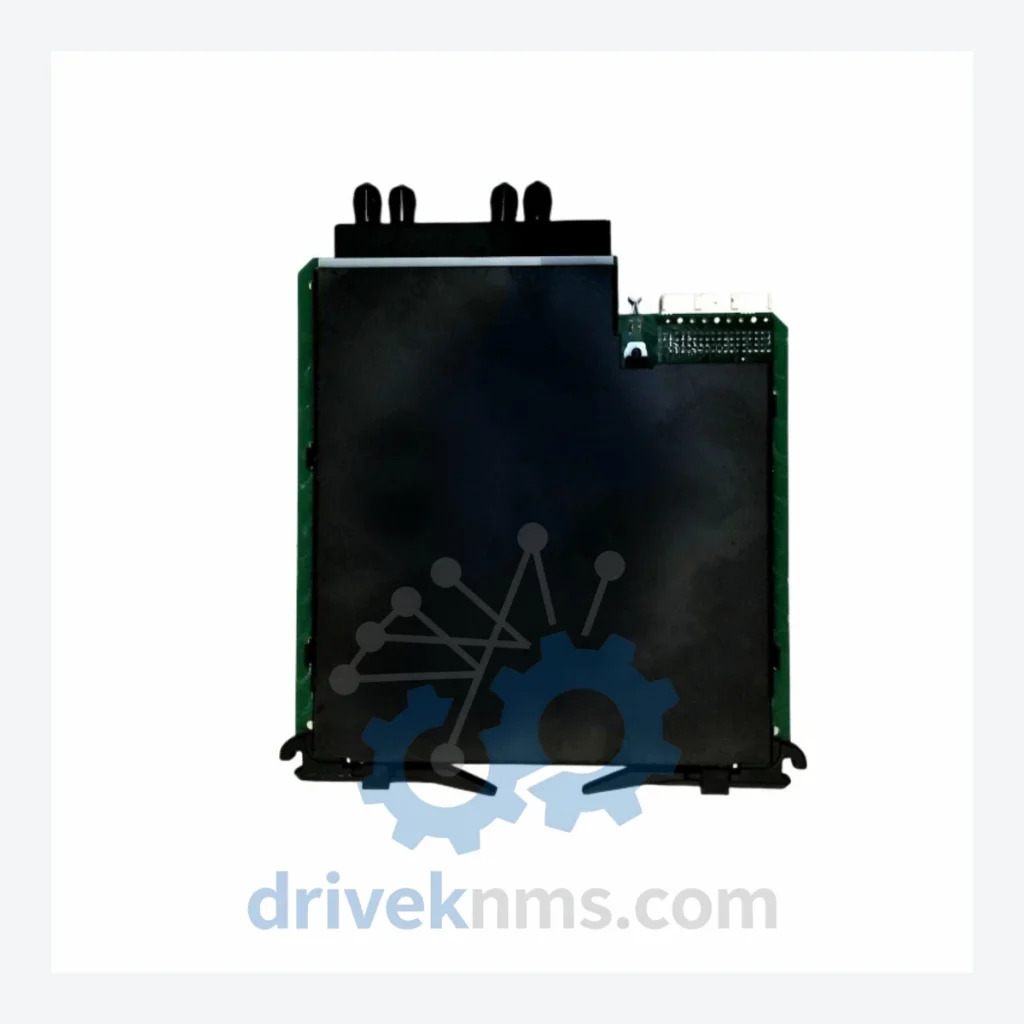
GE UR7IH Protection Relay – Obsolete UR Series Spare Part

Model: UR7IH

Brand General Electric
Series UR Series
Model UR7IH
RFQ-ready model route Obsolete and surplus sourcing Export follow-up by model list

Product Overview

Commercial availability is handled through direct RFQ, model verification and export-oriented follow-up rather than public cart checkout.

Datasheet Preview

Datasheet Preview

Use attached product manuals when available. If the manual is not public yet, request the full file directly through RFQ.

Request Full Manual

Commercial Path

Use This Page To Confirm The Model, Then Move To RFQ

Product pages on DRIVEKNMS are designed to verify model, brand and series first, then move the buyer into one clean quotation path.

Technical Dossier

Product Details And Specifications

GE UR7IH Protection Relay – Obsolete UR Series Spare Part

When a GE UR7IH relay fails inside an aging substation or industrial protection panel, the consequences extend far beyond a single module replacement. The UR Series platform — deployed across power utilities, oil & gas facilities, and heavy manufacturing sites throughout the 1990s and 2000s — was engineered as an integrated protection architecture. Replacing a discontinued UR7IH with a modern equivalent is not a swap; it is a system re-engineering project. Engineering assessments, new panel wiring, updated SCADA integration, and protection scheme re-commissioning routinely cost $500,000 to several million USD per installation. DriveKNMS maintains verified physical stock of the GE UR7IH, providing a direct path to restore protection functionality without triggering that capital expenditure.

Technical Specifications

Parameter Detail
Manufacturer GE Grid Solutions (formerly GE Multilin)
Part Number UR7IH
Series UR Series (Universal Relay)
Function Multi-Mode Protection Relay
Product Status Discontinued / Obsolete
Country of Origin United States
Typical Applications Feeder protection, transformer protection, motor protection in legacy power systems
Compatible Platforms GE UR Series chassis; commonly integrated with GE EnerVista configuration software
Legacy System Context Frequently deployed alongside GE D60, T60, F60 relay families and legacy DCS/SCADA architectures

Note: Electrical parameters such as rated voltage, current input range, and communication protocol variant are configuration-dependent on the UR7IH. Confirm your specific firmware version and order code before procurement. DriveKNMS does not publish unverified specifications.

Solving the Discontinued Hardware Crisis

The GE UR Series was a dominant protection platform for two decades. Utilities and industrial operators built entire protection philosophies around its modular architecture — standardizing on common firmware, shared configuration tools, and interchangeable hardware modules across sites. GE's discontinuation of the UR7IH and related modules created a structural problem: the installed base remains operational, but the supply chain for replacement hardware has collapsed.

For plant managers and protection engineers facing this reality, the options are stark. A full protection system upgrade — new IEDs, updated communication infrastructure, revised protection settings, and regulatory re-approval — is a multi-year capital project. It consumes engineering resources, introduces commissioning risk, and takes critical assets offline during transition. The alternative is a targeted spare parts strategy: source verified UR7IH units now, hold them as insurance against unplanned failure, and extend the operational life of the existing protection scheme by 5 to 10 years.

This is not a temporary workaround. It is a documented asset management practice used by transmission operators and large industrial facilities globally. The cost of a single verified spare relay is a fraction of one day of unplanned outage on a protected feeder or transformer. For facilities operating on 5-year capital planning cycles, a pre-positioned UR7IH spare eliminates the risk of an emergency upgrade forced by hardware failure at the worst possible time.

DriveKNMS specializes in sourcing discontinued GE protection hardware. The UR7IH units in our inventory are physically inspected before dispatch. We do not list stock we cannot confirm.

Extending Automation Asset Life by 5–10 Years: A Low-Cost Maintenance Strategy

Factory management teams facing system retirement pressure from OEM end-of-life notices often underestimate the true cost of early migration. A proactive spare parts program built around verified obsolete components — rather than a forced platform upgrade — is the most capital-efficient path available to facilities with functioning legacy protection infrastructure.

The core principle is straightforward: the GE UR Series relay platform does not degrade in function simply because GE has discontinued it. The hardware continues to perform its protection function as designed, provided the physical components remain intact. The risk is not obsolescence of function — it is obsolescence of supply. A single unplanned failure with no spare on hand converts a $3,000–$8,000 hardware problem into a $500,000+ engineering project.

The recommended strategy for facilities managing GE UR Series installations across a 5–10 year horizon involves three steps. First, conduct a site audit to identify all UR7IH and related UR Series modules in active service. Second, establish a minimum spare holding — typically one unit per site, or a shared pool for multi-site operators — sourced while secondary market availability still exists. Third, document firmware versions and configuration files for each installed unit so that a replacement can be commissioned without re-engineering the protection scheme. This three-step approach has been applied by transmission operators and large industrial facilities to defer platform migration by a decade or more, at a fraction of the cost of early system retirement.

Condition & Reliability Assurance

Obsolete protection relays present specific failure risks that differ from standard electronic components. Our 5-step QA process addresses the failure modes most common in aged UR Series hardware:

1. Electrolytic Capacitor Assessment: Capacitor degradation is the primary cause of latent failure in relays stored beyond their design service life. Each unit undergoes ESR measurement on critical power supply capacitors. Units showing elevated ESR or visible bulging are rejected.

2. Firmware Version Verification: The UR7IH firmware version determines available protection functions and communication compatibility. We document the firmware revision on each unit and provide this information prior to shipment so your protection engineer can confirm compatibility with your existing configuration files.

3. Terminal and Pin Corrosion Inspection: Input/output terminals, communication ports, and backplane connectors are inspected under magnification for oxidation, pitting, or contamination. Affected contact surfaces are treated or the unit is rejected.

4. Functional Power-On Test: Units are powered and checked for normal boot sequence and front panel display operation. This does not constitute a full protection function test but confirms basic hardware integrity.

5. Packaging for Long-Term Storage: Units intended for spare inventory are packaged in anti-static bags with desiccant and sealed against humidity. Storage condition documentation is provided on request.

Key Features for System Maintenance

The GE UR7IH is a direct hardware replacement within the UR Series chassis. It does not require panel rewiring, new terminal blocks, or changes to external wiring schemes. Your existing EnerVista configuration file can be loaded onto a replacement UR7IH unit, restoring protection settings without re-engineering the protection scheme from scratch.

This drop-in replacement capability is the core financial argument for sourcing original hardware rather than pursuing a cross-manufacturer substitution. A non-OEM replacement relay requires new configuration, updated protection coordination studies, and in many jurisdictions, formal re-commissioning sign-off by a licensed protection engineer. The labor and compliance cost of that process typically exceeds the cost of the original hardware by a factor of ten or more. The UR7IH spare eliminates that exposure entirely.

For facilities managing multiple UR Series installations, a centralized spare parts pool — one or two UR7IH units held at a maintenance depot — provides coverage across all sites. This is a standard practice in transmission asset management and represents the lowest-cost approach to protection system continuity for legacy GE UR installations.

FAQ

Q: What warranty applies to an obsolete UR7IH unit?
DriveKNMS provides a 90-day warranty covering hardware defects identified under normal operating conditions. Warranty terms are confirmed in writing prior to order. Extended warranty arrangements are available for volume procurement.

Q: How do I confirm the unit is genuine GE hardware and not a counterfeit?
All units are sourced through documented supply channels. GE part markings, serial number formats, and hardware construction are verified against known-good references. We provide photographic documentation of the specific unit prior to shipment on request. We do not sell units where provenance cannot be established.

Q: Should I buy more than one unit as a long-term spare?
For facilities with multiple UR Series installations, holding two units is a reasonable minimum. The UR7IH is no longer manufactured, and secondary market availability will continue to decline. Procurement cost today is substantially lower than emergency sourcing cost during an unplanned outage. We can discuss volume pricing for multi-unit orders.

Q: Can you source other GE UR Series modules?
Yes. DriveKNMS maintains inventory across the GE UR Series product family. Contact us with your specific part numbers for availability confirmation.

WhatsApp Prefilled Inquiry Email sale@driveknms.com Phone +86 18359293191 Top Back To Top