
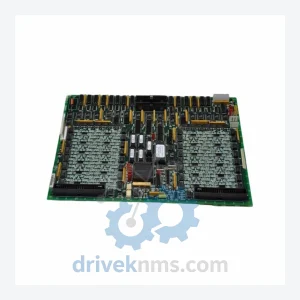
GE DS215TCDAG1 Circuit Board – Obsolete Mark V Spare Part
General Electric DS215TCDAG1 is listed for Mark V RFQ review. Confirm quantity, condition and destination before quotation.
RFQ-ready industrial model
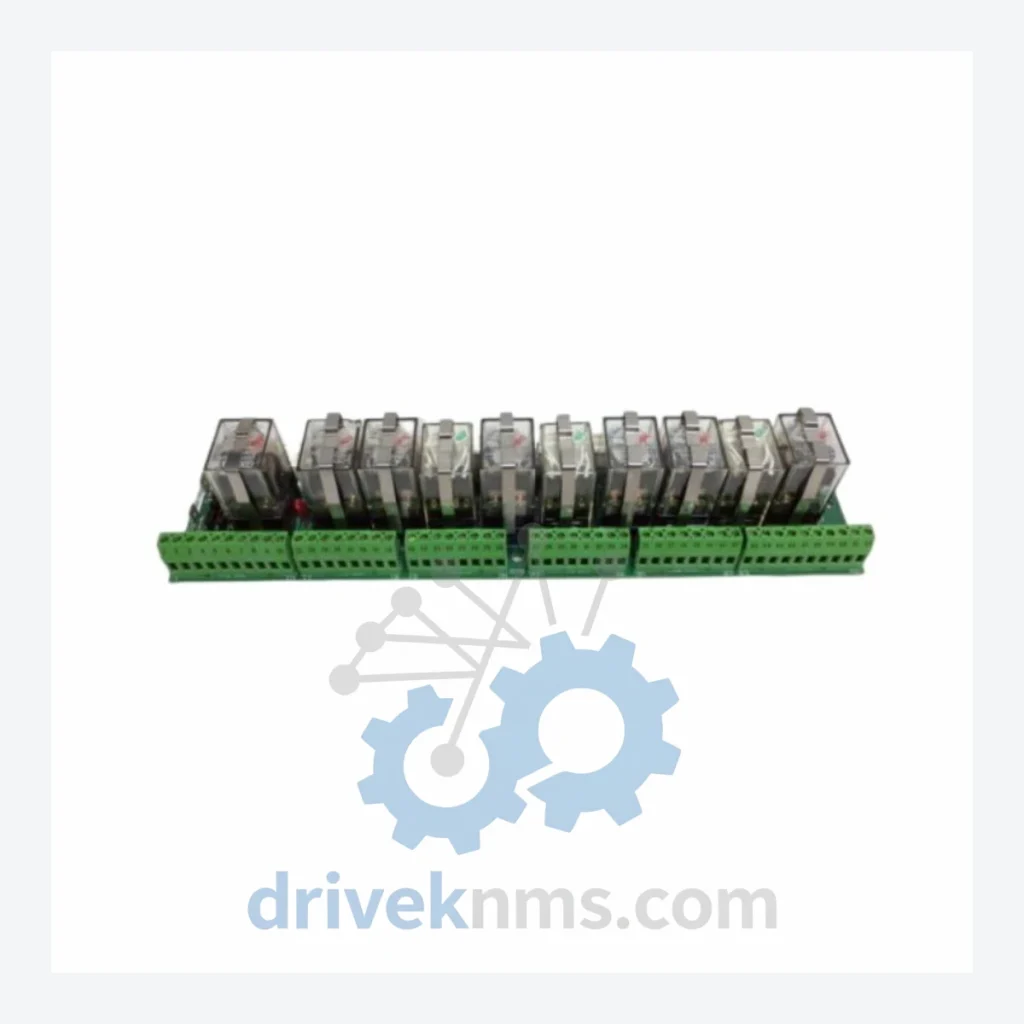
Model: DS200RTBAG2A
Product Overview
Commercial availability is handled through direct RFQ, model verification and export-oriented follow-up rather than public cart checkout.
Datasheet Preview
Use attached product manuals when available. If the manual is not public yet, request the full file directly through RFQ.
Commercial Path
Product pages on DRIVEKNMS are designed to verify model, brand and series first, then move the buyer into one clean quotation path.
Technical Dossier
RFQ support for obsolete parts: Send the model number, required quantity and destination so DriveKNMS can confirm sourcing options before quotation.
| Parameter | Detail |
|---|---|
| Part Number | DS200RTBAG2A |
| Manufacturer | GE (General Electric) |
| Series | Mark V Turbine Control System |
| Board Type | Relay Terminal Board |
| Country of Origin | United States |
| Discontinuation Status | Obsolete – No longer manufactured by GE. Replacement requires full system engineering review. |
| Compatible Systems | GE Mark V (TMR and Simplex configurations) |
| Typical Application | Relay output interfacing within turbine control panels; interfaces with TCQA, TCQC, and associated I/O boards |
Note: Electrical parameters such as relay contact ratings and I/O voltage specifications vary by revision. DriveKNMS will confirm exact revision details upon inquiry. No parameters are published here that cannot be verified against physical unit documentation.
The GE Mark V was introduced in the late 1980s and remained in active deployment through the 2000s. GE formally discontinued Mark V support, and the platform has been superseded by the Mark VIe. However, tens of thousands of Mark V systems remain operational globally — in gas turbines, steam turbines, and combined-cycle plants — because the cost and operational risk of migration outweigh the benefits for facilities with stable production requirements.
The DS200RTBAG2A sits at a critical junction in the Mark V I/O architecture. It serves as the relay output interface, translating digital control signals into physical relay switching actions for turbine protection and sequencing logic. There is no modern drop-in equivalent that does not require re-engineering the I/O mapping, modifying the application code, and re-validating the safety logic — a process that can take 6 to 18 months for a single unit.
For plant managers facing pressure to retire aging infrastructure, the calculus is straightforward: sourcing a verified DS200RTBAG2A at a fraction of the cost of a migration buys 5 to 10 additional years of productive asset life. That window allows facilities to plan migrations on their own schedule, during planned outages, rather than under emergency conditions driven by hardware failure.
Practical asset life extension strategy for Mark V operators:
Sourcing obsolete industrial control boards from the secondary market carries inherent risk. DriveKNMS applies a structured 5-step qualification process to every DS200RTBAG2A unit before it is offered for sale.
How do I know the unit is genuine and not counterfeit?
All DS200RTBAG2A units sourced by DriveKNMS are inspected against known-good reference units for board markings, component population, and PCB layer characteristics. Provenance documentation is provided where available. We do not source from unverified brokers.
Should I buy more than one unit?
For any facility operating more than one Mark V turbine train, holding a minimum of two DS200RTBAG2A spares is a defensible maintenance strategy. The secondary market supply of this board is finite and declining. Procurement cost today is substantially lower than emergency sourcing cost during an unplanned outage.
Can you source specific firmware revisions?
Revision availability depends on current inventory. Contact us with your required revision code and we will confirm availability before any commitment is made.
Continue The Model Path
Move from this exact model into the matching system hub, brand archive, model-family archive or lifecycle sourcing route before sending a final RFQ list.
Related Paths
General Electric DS215TCDAG1 is listed for Mark V RFQ review. Confirm quantity, condition and destination before quotation.
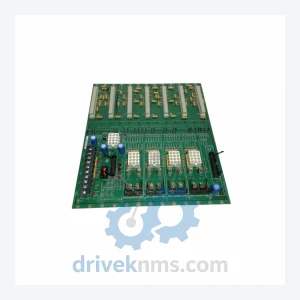
General Electric DS200VPBLG1ADD is listed for Mark V RFQ review. Confirm quantity, condition and destination before quotation.
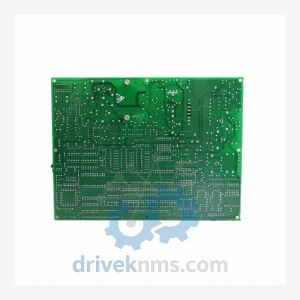
General Electric DS200TCQBG1AGB is listed for Mark V RFQ review. Confirm quantity, condition and destination before quotation.