
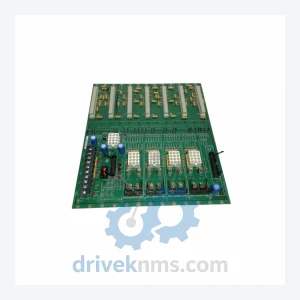
GE DS200VPBLG1ADD Voting Power Board – Obsolete Mark V Spare Part
General Electric DS200VPBLG1ADD is listed for Mark V RFQ review. Confirm quantity, condition and destination before quotation.
RFQ-ready industrial model
Model: DS215TCDAG1
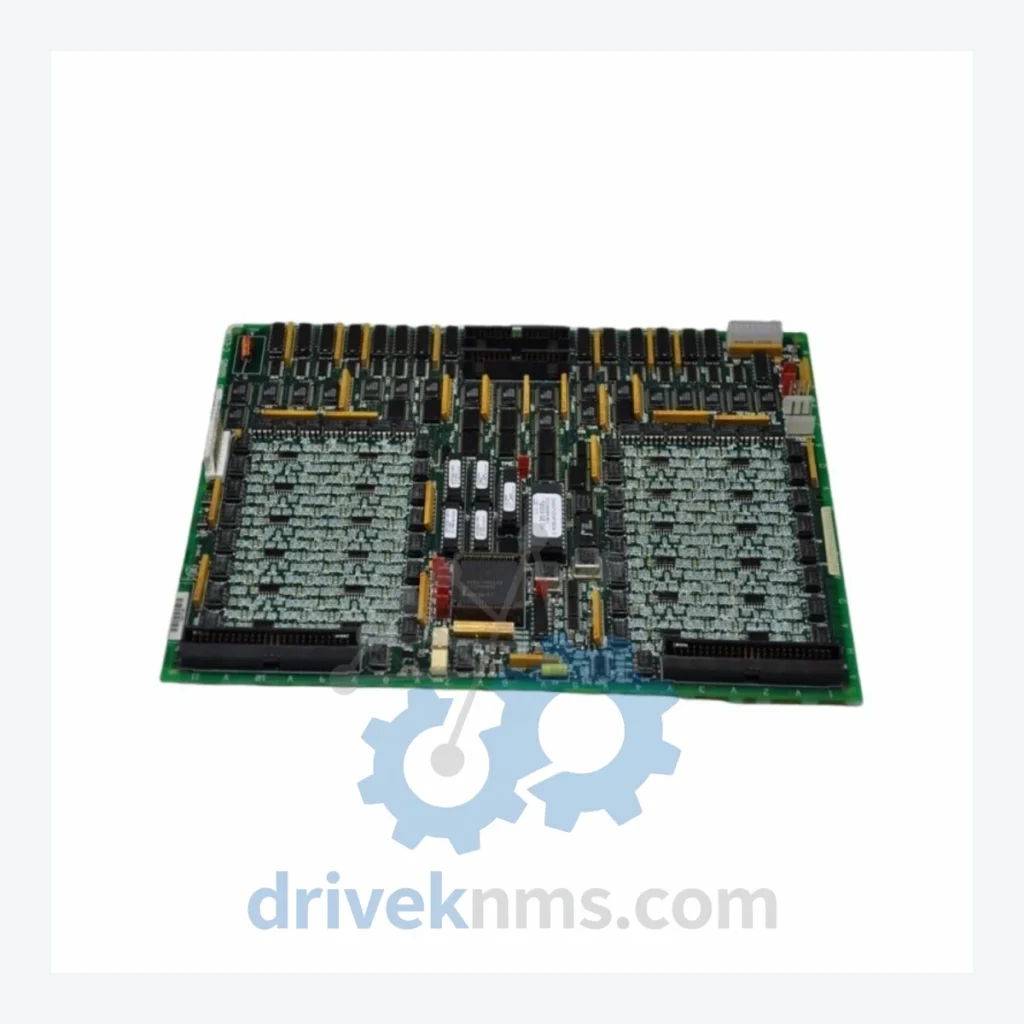
Product Overview
Commercial availability is handled through direct RFQ, model verification and export-oriented follow-up rather than public cart checkout.
Datasheet Preview
Use attached product manuals when available. If the manual is not public yet, request the full file directly through RFQ.
Commercial Path
Product pages on DRIVEKNMS are designed to verify model, brand and series first, then move the buyer into one clean quotation path.
Technical Dossier
DriveKNMS maintains a carefully managed inventory of hard-to-find GE Mark V components. Availability is not guaranteed. If this part is listed, it is physically on hand and ready for RFQ review where applicable.
RFQ support for obsolete parts: Send the model number, required quantity and destination so DriveKNMS can confirm sourcing options before quotation.
Note: Electrical parameters specific to this board variant are not published here to prevent misapplication. Contact our technical team for configuration verification before ordering.
GE introduced the Mark V control system in the late 1980s. Thousands of units remain in active service at power generation facilities, petrochemical plants, and industrial compressor stations across every major industrial region. GE formally discontinued Mark V support, and the OEM no longer supplies replacement boards.
The DS215TCDAG1 is a functional card within the Mark V architecture. Its failure does not produce a graceful degradation — it produces a trip. In a turbine control context, an unplanned trip means lost generation capacity, potential equipment stress from thermal cycling, and in some configurations, safety system activation. The operational cost of a single unplanned outage typically exceeds the cost of maintaining a multi-year spare parts inventory by a significant margin.
Facilities that have not yet established a Mark V spare parts buffer are operating on borrowed time. The secondary market for these components contracts every year as boards are consumed, damaged beyond repair, or lost to improper storage. The window to source DS215TCDAG1 boards at reasonable cost is narrowing.
For plant managers facing pressure to retire aging turbine control infrastructure, the following framework has been applied successfully at facilities that chose asset preservation over capital replacement:
1. Conduct a Mark V board-level audit. Identify every populated slot in your Mark V cabinets. Cross-reference each board part number against known failure-prone components. The DS215TCDAG1 and similar TCDA-series cards are among the higher-risk items due to age-related capacitor degradation.
2. Establish a minimum two-board buffer for critical cards. One board in service, one verified spare on the shelf. For a turbine running 8,000+ hours per year, this is not overcaution — it is standard asset protection practice.
3. Source now, not after failure. Post-failure sourcing of obsolete boards under operational pressure leads to poor purchasing decisions: unverified sellers, inflated prices, and counterfeit risk. Planned procurement from vetted suppliers eliminates all three.
4. Implement a board rotation and inspection schedule. Boards that have been in continuous service for 15+ years should be pulled, inspected, and tested during planned outage windows. Electrolytic capacitor condition, connector pin integrity, and conformal coating status are the primary inspection targets.
5. Document firmware and configuration baselines. Before any board is removed from service, capture the full configuration state. Mark V boards are not always interchangeable across firmware revisions. A documented baseline prevents configuration mismatch during emergency replacement.
This five-step approach has allowed facilities to defer multi-million dollar control system upgrades by a decade or more, while maintaining full operational reliability and regulatory compliance.
Every DS215TCDAG1 board supplied by DriveKNMS passes a structured five-stage inspection protocol before dispatch:
Stage 1 – Electrolytic Capacitor Assessment: Capacitor aging is the primary failure mode in boards of this vintage. Each board is inspected for bulging, leakage, and ESR deviation. Boards with compromised capacitors are either reconditioned by qualified technicians or removed from saleable inventory.
Stage 2 – Firmware Version Verification: The firmware revision is identified and documented. Customers are informed of the exact revision prior to shipment to confirm compatibility with their installed Mark V configuration.
Stage 3 – Connector Pin and Edge Connector Inspection: All connector pins are examined under magnification for corrosion, bending, and contact surface degradation. Edge connectors are cleaned and inspected for delamination.
Stage 4 – Conformal Coating and PCB Integrity Check: The board surface is inspected for coating cracks, moisture ingress evidence, and trace damage. Boards showing signs of prior arc damage or thermal stress are rejected.
Stage 5 – Functional Bench Test (where applicable): Where test fixtures are available, boards undergo powered functional verification prior to packaging.
Boards are packaged in anti-static bags with foam cushioning and shipped in double-walled cartons. Each shipment includes a condition report.
Drop-in replacement: The DS215TCDAG1 is a direct form-fit-function replacement for the original board position in the Mark V cabinet. No hardware modification to the backplane or adjacent cards is required.
No reprogramming required: Mark V boards of this type carry their configuration in the system's core memory, not on the individual card. Swapping the board does not require re-engineering the control logic or reconfiguring the turbine parameters.
Avoids engineering reconstruction costs: A control system migration from Mark V to a current-generation platform involves P&ID reviews, new I/O mapping, FAT/SAT testing, and extended commissioning. Sourcing a replacement DS215TCDAG1 board eliminates this cost entirely for the duration of the asset's remaining operational life.
Q: Should I buy more than one board?
A: For any facility running Mark V turbines as primary generation or process control assets, holding a minimum of two DS215TCDAG1 boards is a defensible maintenance strategy. The secondary market supply of this part is finite and declining. Procurement cost today is substantially lower than procurement cost under emergency conditions.
Q: Can you supply other Mark V boards?
A: Yes. DriveKNMS maintains inventory across the DS200, DS215, and IS200 series Mark V component families. Contact us with your full bill of materials for a consolidated quote.
Continue The Model Path
Move from this exact model into the matching system hub, brand archive, model-family archive or lifecycle sourcing route before sending a final RFQ list.
Related Paths
General Electric DS200VPBLG1ADD is listed for Mark V RFQ review. Confirm quantity, condition and destination before quotation.
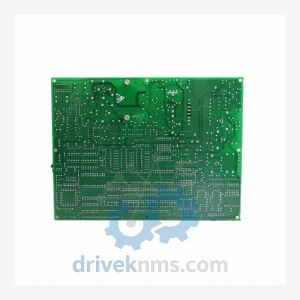
General Electric DS200TCQBG1AGB is listed for Mark V RFQ review. Confirm quantity, condition and destination before quotation.
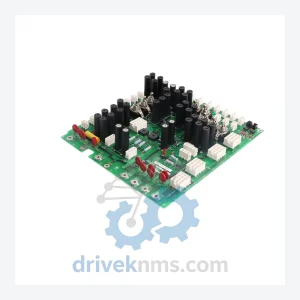
General Electric DS200TCTGG1AFF is listed for Mark V RFQ review. Confirm quantity, condition and destination before quotation.