
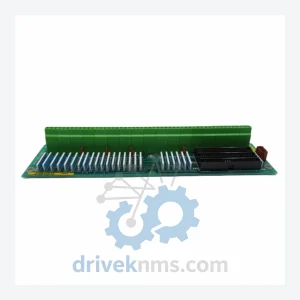
GE DS200DTBBG1AAA Relay Board: DS200 Series
General Electric DS200DTBBG1AAA is listed for DS200 Series RFQ review. Confirm quantity, condition and destination before quotation.
RFQ-ready industrial model
Model: DS200SDCCG1AGD DS215SDCCG1AZZ01B
Product Overview
Commercial availability is handled through direct RFQ, model verification and export-oriented follow-up rather than public cart checkout.
Datasheet Preview
Use attached product manuals when available. If the manual is not public yet, request the full file directly through RFQ.
Commercial Path
Product pages on DRIVEKNMS are designed to verify model, brand and series first, then move the buyer into one clean quotation path.
Technical Dossier
Q: How are RFQ terms confirmed?
A: Quantity, required condition, documentation needs, destination and sourcing route are confirmed during RFQ review before quotation.
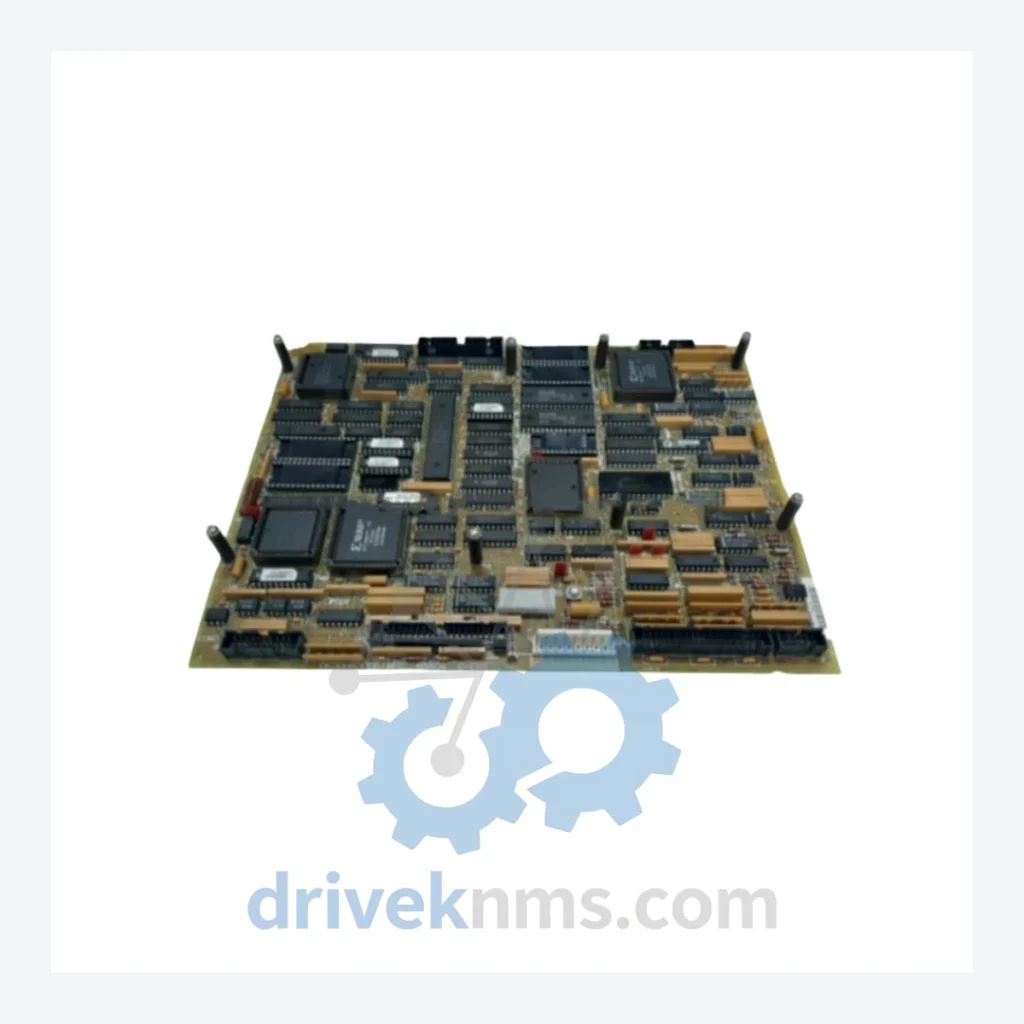
The DS200SDCCG1AGD is a Speed and Synchronization Control Card used in Mark VI simplex and TMR (Triple Modular Redundant) configurations. The DS215SDCCG1AZZ01B is the DS215-generation equivalent, sharing functional architecture but updated for revised backplane pinout and firmware compatibility within later Mark VI revisions. Both boards handle turbine speed sensing, zero-crossing detection, and synchronization signal processing — functions that are safety-critical and cannot be substituted with non-OEM equivalents without full system re-validation.
GE's turbine control board architecture evolved through three distinct generations, each tied to a major control system platform revision:
Mark V Era (1991–2000): The predecessor DS3800 and DS3820 board families operated on a proprietary serial backplane. These boards used EPROM-based firmware and were not field-upgradeable. Compatibility was strictly tied to the Mark V rack assembly (TCCA, TCCB, TCCC cores). DS3800 boards are now fully obsolete with no OEM support.
Mark VI Era (2000–2012): The DS200 series was introduced as the primary I/O and control board family for the Mark VI system. The architecture shifted to a VME-compatible backplane with IONET and ARCNET communication buses. DS200 boards introduced modular redundancy — individual boards could be replaced in TMR configurations without full system shutdown. Firmware was stored on onboard flash and upgradeable via the Mark VI Toolbox software. This generation includes the DS200SDCCG1AGD and DS215SDCCG1AZZ01B covered on this page.
Speed & Synchronization Control
Analog I/O Modules
Digital I/O Modules
Communication & Network Adapters
Power Supply & Backplane
DS200 and DS215 boards undergo a structured test protocol prior to dispatch, designed around the specific failure modes common to Mark VI turbine control hardware:
Backplane Interface Verification: Each board is seated in a Mark VI-compatible test rack and powered through the standard 28 VDC supply rail. Backplane connector pins are inspected under 10x magnification for fretting corrosion — a common failure mode in boards removed from high-vibration turbine enclosures.
ARCNET Bus Communication Test: For communication boards (TCQAG1B, TCQCG1B), ARCNET node addressing and packet transmission are verified using a dedicated bus analyzer. Error rates must be below 0.01% over a 30-minute continuous test cycle.
Analog Channel Calibration: All analog I/O boards are tested across the full 4–20 mA and 0–10 V input/output range. Linearity error must be within ±0.1% of full scale. Thermocouple input boards are tested against NIST-traceable reference sources.
Speed Signal Simulation (SDCC boards): DS200SDCCG1AGD and DS215SDCCG1AZZ01B boards are tested using a turbine speed signal simulator generating 0–3600 RPM equivalent pulse trains. Zero-crossing detection accuracy and synchronization output timing are verified against OEM specification tolerances.
Continue The Model Path
Move from this exact model into the matching system hub, brand archive, model-family archive or lifecycle sourcing route before sending a final RFQ list.
Related Paths
General Electric DS200DTBBG1AAA is listed for DS200 Series RFQ review. Confirm quantity, condition and destination before quotation.
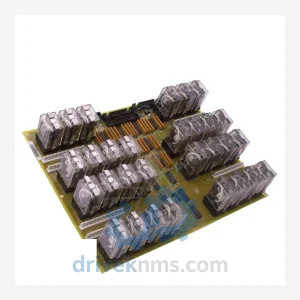
General Electric DS200TCQFG1ACC is listed for DS200 Series RFQ review. Confirm quantity, condition and destination before quotation.
General Electric 20X4584-10A is listed for DS200 Series RFQ review. Confirm quantity, condition and destination before quotation.