
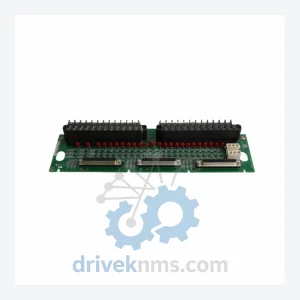
GE Fanuc IS200TBCIS2CCD I/O Terminal Board – Mark VI Redundant Control System
GE Fanuc IS200TBCIS2CCD is listed for Mark VI RFQ review. Confirm quantity, condition and destination before quotation.
RFQ-ready industrial model
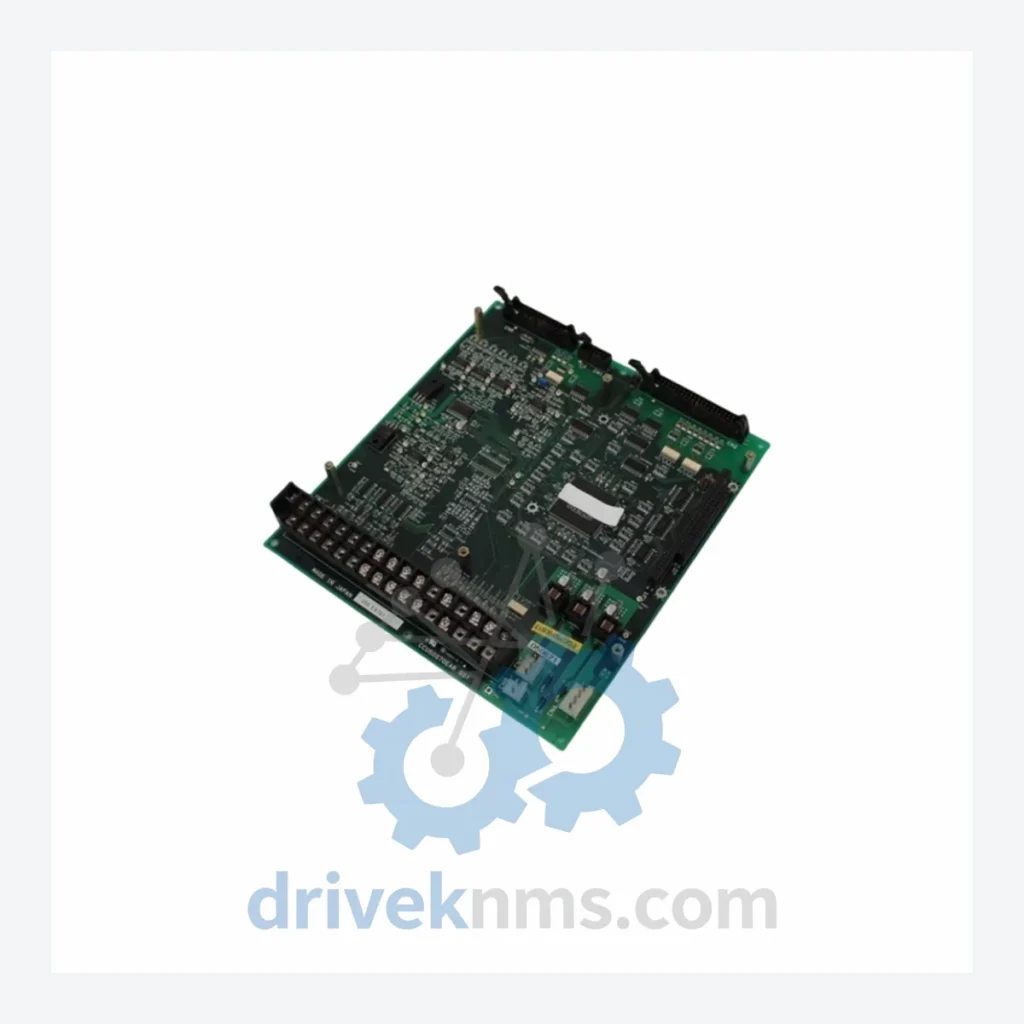
Model: DS200UCVAH1ABC IS215UCVDH7AM
Product Overview
Commercial availability is handled through direct RFQ, model verification and export-oriented follow-up rather than public cart checkout.
Datasheet Preview
Use attached product manuals when available. If the manual is not public yet, request the full file directly through RFQ.
Commercial Path
Product pages on DRIVEKNMS are designed to verify model, brand and series first, then move the buyer into one clean quotation path.
Technical Dossier
The GE DS200UCVAH1ABC (paired board IS215UCVDH7AM) is a core control module within GE's Mark VI Turbine Control System — a platform widely deployed in gas turbine, steam turbine, and combined-cycle power generation facilities worldwide. As OEM production of legacy Mark VI components has progressively wound down, procurement teams face a narrowing window for sourcing authentic, tested units at defensible prices.
DriveKNMS reviews sourcing options for this model through RFQ handling before quotation.
Q: How are RFQ terms confirmed?
A: Quantity, required condition, documentation needs, destination and sourcing route are confirmed during RFQ review before quotation.
Part Number Verification: Misidentification of GE Mark VI board revisions is a common and costly procurement error. Our technical team cross-references part numbers against GE's Mark VI hardware compatibility matrices to confirm fit before dispatch review — reducing the risk of receiving a board that is electrically incompatible with your specific rack configuration.
Q: How are commercial terms confirmed?
A: Commercial terms are confirmed during RFQ review based on model, quantity, destination, documentation and sourcing route.
Q: Can you support multi-unit or repeat RFQ requests?
A: Yes. Send the model list, target quantity and destination so DRIVEKNMS can review sourcing options and quote the requirement as a project RFQ.
Continue The Model Path
Move from this exact model into the matching system hub, brand archive, model-family archive or lifecycle sourcing route before sending a final RFQ list.
Related Paths
GE Fanuc IS200TBCIS2CCD is listed for Mark VI RFQ review. Confirm quantity, condition and destination before quotation.
General Electric DS200TBQDG1AFF is listed for Mark VI RFQ review. Confirm quantity, condition and destination before quotation.
General Electric DS200DTBDG1ABB is listed for Mark VI RFQ review. Confirm quantity, condition and destination before quotation.