
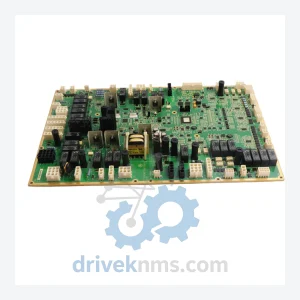
GE IS200WETBH1BAA Elevator Control Board – Obsolete Speedtronic Spare Part
General Electric IS200WETBH1BAA is listed for Speedtronic RFQ review. Confirm quantity, condition and destination before quotation.
RFQ-ready industrial model
Model: DS3800HMPK1F1B
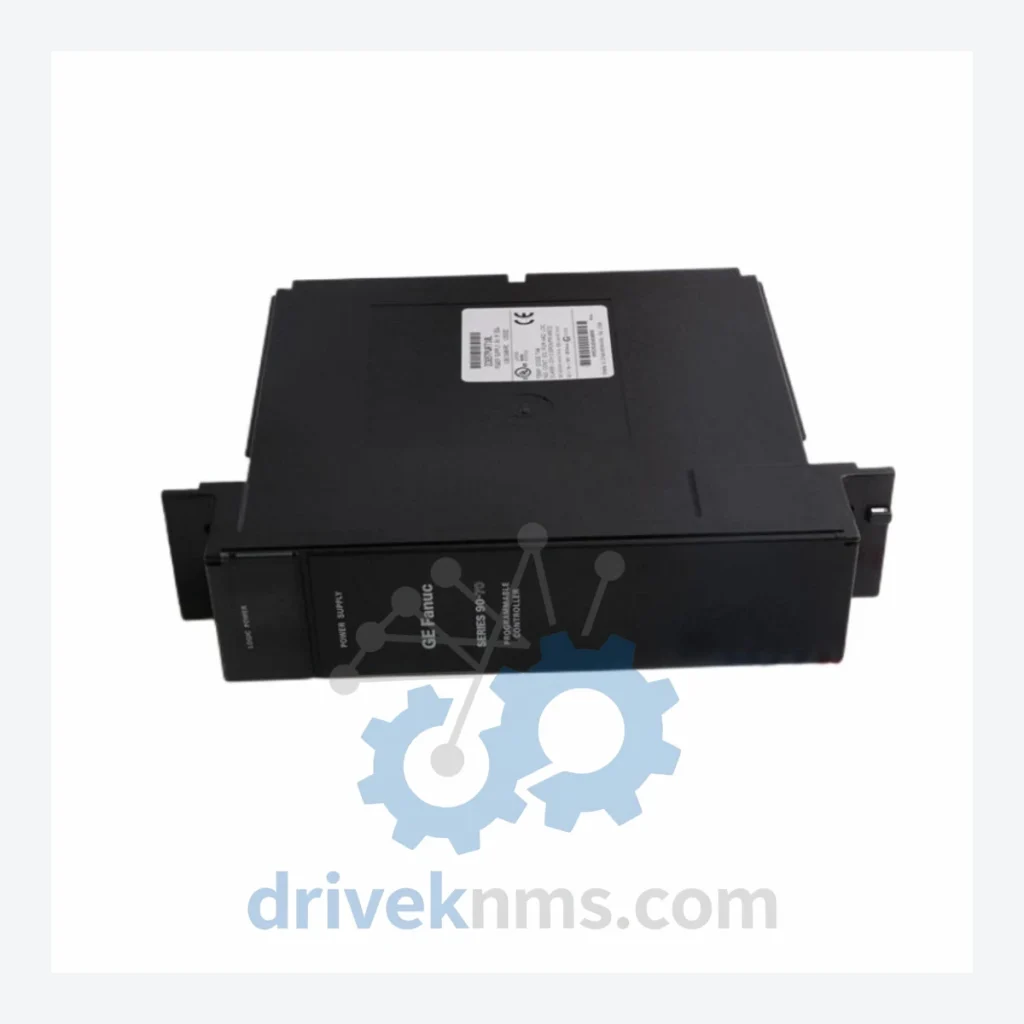
Product Overview
Commercial availability is handled through direct RFQ, model verification and export-oriented follow-up rather than public cart checkout.
Datasheet Preview
Use attached product manuals when available. If the manual is not public yet, request the full file directly through RFQ.
Commercial Path
Product pages on DRIVEKNMS are designed to verify model, brand and series first, then move the buyer into one clean quotation path.
Technical Dossier
The GE DS3800 series constitutes the core hardware platform of the Mark IV Speedtronic turbine control system, developed by General Electric for gas turbine, steam turbine, and combined-cycle power generation applications. Deployed across chemical processing plants, nuclear power stations, offshore platforms, and petroleum refineries worldwide, the DS3800 backplane architecture has accumulated decades of field service in environments where continuous uptime is a contractual and safety-critical requirement. The series covers processor boards, analog and digital I/O modules, power supply assemblies, and communication interface cards — all designed to operate within the Mark IV rack enclosure using a proprietary high-speed backplane bus. Installed base estimates place DS3800-equipped turbine control panels in service at thousands of generation and industrial sites across North America, Europe, the Middle East, and Asia-Pacific.
The DS3800 series was introduced as part of GE's Mark IV Speedtronic control platform in the early 1980s, succeeding the Mark I through Mark III relay-based and early solid-state systems. Mark IV represented GE's transition to fully digital, microprocessor-based turbine control, with the DS3800 board family providing the modular hardware substrate for that architecture.
Key architectural milestones include the introduction of the HMPK processor board as the primary control CPU, the DEPB and DMPK series for distributed I/O expansion, and the HCIB and HVIA boards for analog signal conditioning. Throughout the 1990s, GE issued multiple board revisions (suffix codes such as 1F1B, 1G1A, 1B1A) to address field reliability issues, improve EMI tolerance, and extend operating temperature ranges for tropical and desert installations.
By the mid-2000s, GE began transitioning new turbine installations to the Mark V and subsequently Mark VI and Mark VIe platforms. The DS3800 series entered its maintenance and end-of-life phase, with GE discontinuing active production of most board variants. This transition created a sustained global demand for surplus, refurbished, and tested DS3800 modules to support the large installed base that remains in service under long-term power purchase agreements and plant life-extension programs. Compatibility between board revisions requires careful suffix-code matching; substituting an incompatible revision can cause backplane communication faults or incorrect I/O mapping.
CPU / Processor Boards
Analog I/O Modules
Digital I/O Modules
Communication & Interface Boards
Power Supply Assemblies
With GE having ceased production of DS3800 series boards, procurement is exclusively dependent on the secondary market: surplus inventory from decommissioned plants, refurbished units from specialist repair facilities, and tested pull-outs from retired panels. DriveKNMS maintains a dedicated inventory of DS3800 modules sourced from verified industrial surplus channels. Each unit is catalogued by full part number including revision suffix, which is critical for Mark IV compatibility verification.
DS3800 boards present specific test challenges due to their proprietary backplane bus protocol and the age-related failure modes common to boards manufactured in the 1980s and 1990s. DriveKNMS applies a structured test protocol to all DS3800 units prior to dispatch:
Continue The Model Path
Move from this exact model into the matching system hub, brand archive, model-family archive or lifecycle sourcing route before sending a final RFQ list.
Related Paths
General Electric IS200WETBH1BAA is listed for Speedtronic RFQ review. Confirm quantity, condition and destination before quotation.
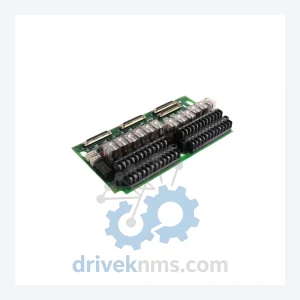
General Electric IS200TRLYH1BED IS200TRLYH1B is listed for Controller Cards RFQ review. Confirm quantity, condition and destination before quotation.
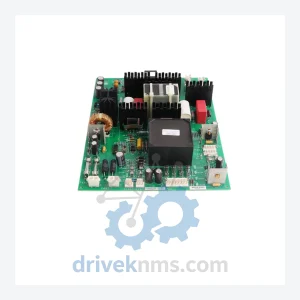
General Electric IS210AEPSG1AFC IS210AEPSG1 is listed for IS210 Series RFQ review. Confirm quantity, condition and destination before quotation.