
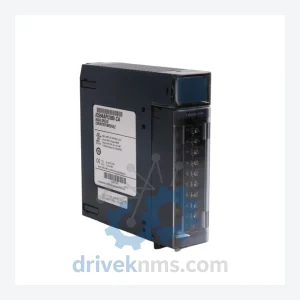
GE Series 90-30 IC694 Modules IC694APU300 High Speed Counter Module
GE Automation & Controls IC694APU300 is listed for Series 90-30 RFQ review. Confirm quantity, condition and destination before quotation.
RFQ-ready industrial model
Model: EPSCPE100-ABAA
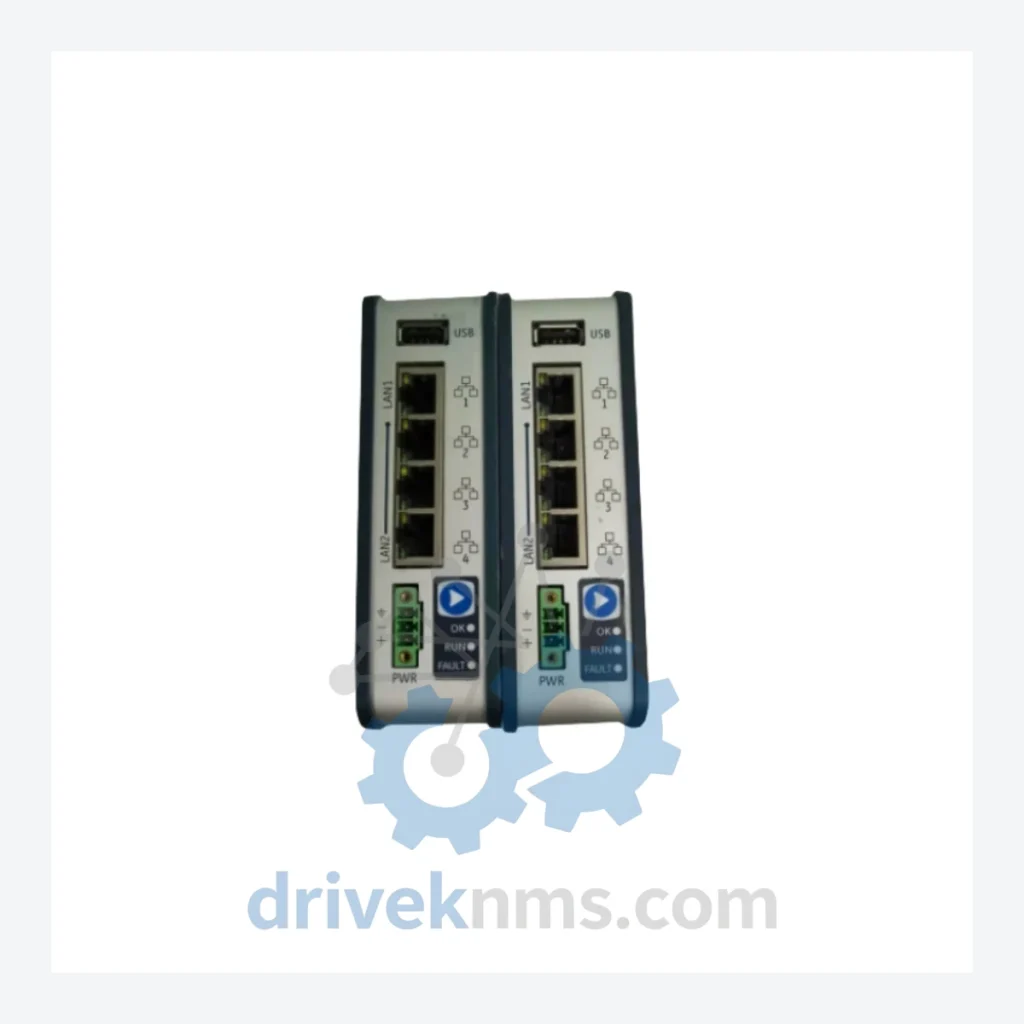
Product Overview
Commercial availability is handled through direct RFQ, model verification and export-oriented follow-up rather than public cart checkout.
Datasheet Preview
Use attached product manuals when available. If the manual is not public yet, request the full file directly through RFQ.
Commercial Path
Product pages on DRIVEKNMS are designed to verify model, brand and series first, then move the buyer into one clean quotation path.
Technical Dossier
The GE EPS CPE100 series is a central processing and I/O expansion platform developed under GE Automation & Controls (formerly GE Fanuc Automation), designed for deployment in high-availability industrial environments including petrochemical refineries, nuclear power generation facilities, offshore platforms, and large-scale chemical processing plants. The CPE100 architecture operates within GE's broader EPS (Enhanced Performance Series) control ecosystem, providing deterministic scan-cycle execution, redundant backplane communication, and compatibility with legacy Series 90-70 I/O racks. Installed base penetration across global heavy industry remains significant, making long-term spare parts availability a critical operational requirement for plant maintenance teams.
The CPE100 platform emerged as GE's response to the demand for higher-throughput CPU modules within the Series 90-70 rack infrastructure. Early revisions (Rev A, Rev B) established the baseline 32-bit processing architecture with VME-compatible backplane signaling. Subsequent hardware revisions introduced expanded onboard memory, enhanced Ethernet port integration, and improved coprocessor support for floating-point operations. The EPSCPE100-ABAA specifically represents a factory-configured DEMO variant, used for system validation, FAT (Factory Acceptance Testing), and integration lab environments rather than live process control. As GE's automation portfolio transitioned through the Emerson acquisition and subsequent rebranding cycles, the CPE100 series entered a mature/end-of-active-production phase. Replacement migration paths include the PACSystems RX7i CPE310 and CPE330 platforms, which offer backward-compatible I/O rack mounting but require updated programming via Proficy Machine Edition. For plants committed to the existing CPE100 infrastructure, lifecycle extension through certified refurbished spares remains the most cost-effective continuity strategy.
The following SKUs represent verified, commonly stocked models within the GE EPS CPE100 series. Each entry reflects a distinct hardware configuration or firmware revision level.
CPU / Controller Modules
Analog Input (AI) Modules
Analog Output (AO) Modules
Digital Input (DI) Modules
Digital Output (DO) Modules
Communication / Network Adapters
Power Supply Modules
CPE100 modules present specific test challenges due to their VME backplane architecture and multi-layer firmware dependency. DriveKNMS applies a structured test protocol for each unit: (1) Visual inspection for capacitor degradation, PCB trace corrosion, and connector pin integrity; (2) Backplane communication verification using a Series 90-70 test rack with known-good I/O population; (3) CPU scan-cycle benchmark against OEM specification sheets to confirm deterministic execution timing; (4) Memory retention test for battery-backed SRAM, including a 72-hour discharge/recharge cycle; (5) Ethernet port functional test using SRTP and Modbus TCP loopback; (6) Final burn-in at rated operating temperature for a minimum of 8 hours. Units that do not pass all six stages are quarantined and not offered for sale.
Continue The Model Path
Move from this exact model into the matching system hub, brand archive, model-family archive or lifecycle sourcing route before sending a final RFQ list.
Related Paths
GE Automation & Controls IC694APU300 is listed for Series 90-30 RFQ review. Confirm quantity, condition and destination before quotation.
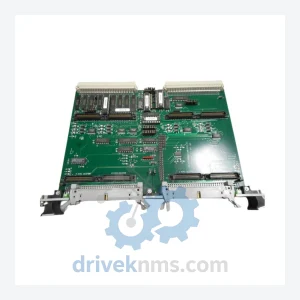
GE Automation & Controls IC698CPE020 is listed for IC698 Series RFQ review. Confirm quantity, condition and destination before quotation.
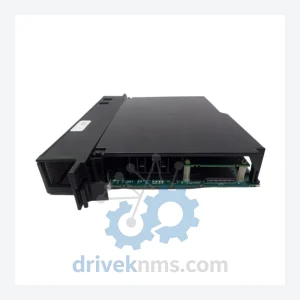
GE Automation & Controls IC697CPM915 is listed for Series 90-70 RFQ review. Confirm quantity, condition and destination before quotation.