
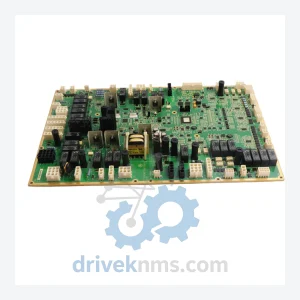
GE IS200WETBH1BAA Elevator Control Board – Obsolete Speedtronic Spare Part
General Electric IS200WETBH1BAA is listed for Controller Cards RFQ review. Confirm quantity, condition and destination before quotation.
RFQ-ready industrial model
Model: IC3600VANB1D
Product Overview
Commercial availability is handled through direct RFQ, model verification and export-oriented follow-up rather than public cart checkout.
Datasheet Preview
Use attached product manuals when available. If the manual is not public yet, request the full file directly through RFQ.
Commercial Path
Product pages on DRIVEKNMS are designed to verify model, brand and series first, then move the buyer into one clean quotation path.
Technical Dossier
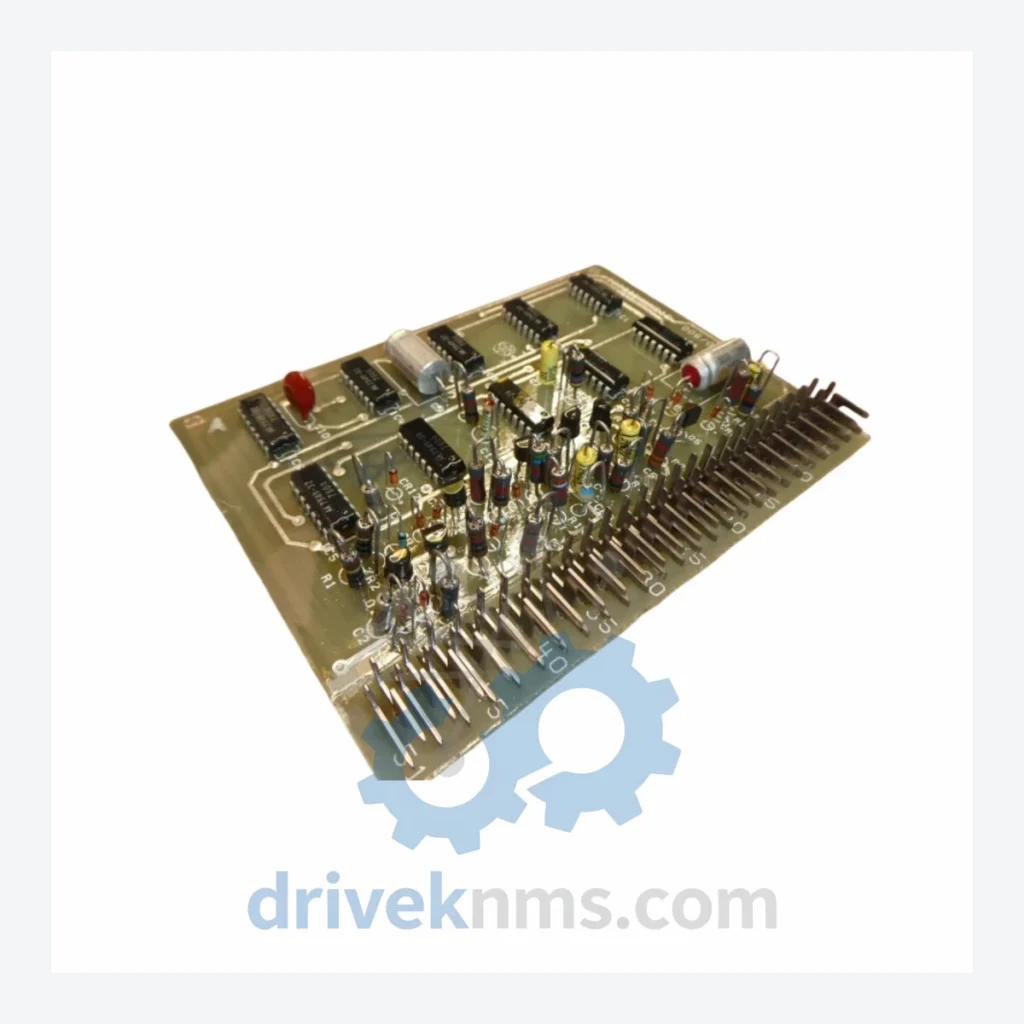
The IC3600 platform was introduced in the early 1970s as GE's first fully solid-state turbine control system, replacing relay-logic panels on Frame 3 through Frame 7 gas turbines. The original Mark I architecture used discrete analog and digital logic cards operating on a passive backplane with no serial communication bus — each card performed a dedicated function (sequencing, protection, temperature control, or annunciation) and interfaced directly with field wiring via terminal boards.
The Mark II revision introduced improved card-edge connectors, revised power supply regulation, and expanded I/O density. Mark IV, the final major iteration of the IC3600 physical form factor, added limited programmability and improved diagnostics while retaining backward mechanical compatibility with Mark I and Mark II card slots in most chassis configurations. This cross-generation compatibility is a critical factor for maintenance engineers: a Mark II chassis can often accept Mark IV replacement cards, but signal conditioning and jumper configuration must be verified against the original panel drawing set.
GE formally transitioned customers toward the Mark V (IC3600-series successor, introduced ~1991) and subsequently the Mark VI and Mark VIe platforms. However, the capital cost of full turbine control system replacement — typically USD 500,000 to USD 2,000,000 per unit including engineering and commissioning — means that a substantial portion of the global IC3600 installed base remains in service under extended lifecycle support arrangements. Cards in this series are no longer manufactured by GE; all procurement is through the secondary market, authorized repair facilities, or specialist distributors.
The following SKUs represent verified, commonly sourced modules within the GE IC3600 Speedtronic series. Each entry reflects a distinct functional role within the turbine control panel architecture.
Annunciator & Display Modules
Analog Input / Signal Conditioning Modules
Digital Input / Output Modules
Power Supply Modules
CPU / Sequencing / Logic Modules
The IC3600 series reached end-of-manufacture status with GE in the mid-1990s. As of 2026, no new production of IC3600 cards exists from the original equipment manufacturer. Procurement of these modules is exclusively through the secondary market, and supply quality varies significantly between sources.
IC3600 modules present specific test challenges due to their passive backplane architecture and the absence of onboard self-diagnostics. DriveKNMS applies a structured verification protocol to all IC3600 cards prior to shipment. Each card undergoes visual inspection for capacitor ESR degradation, solder joint fatigue, and connector pin corrosion — failure modes characteristic of boards with 20–40 years of field service. Functional testing is performed using a dedicated IC3600 backplane test fixture that replicates the original panel power rail voltages (+5 VDC, ±15 VDC, +24 VDC) and exercises all active signal paths. Annunciator cards such as the IC3600VANB1D are tested against a simulated alarm matrix to verify all output driver channels. Analog cards are calibrated against NIST-traceable references. Digital I/O cards are cycled through full contact closure sequences. All tested units are issued a DriveKNMS inspection record documenting test date, technician ID, and pass/fail criteria for each functional parameter.
Continue The Model Path
Move from this exact model into the matching system hub, brand archive, model-family archive or lifecycle sourcing route before sending a final RFQ list.
Related Paths
General Electric IS200WETBH1BAA is listed for Controller Cards RFQ review. Confirm quantity, condition and destination before quotation.
General Electric IS200TRLYH1BED IS200TRLYH1B is listed for Controller Cards RFQ review. Confirm quantity, condition and destination before quotation.
General Electric IS230SNRLH2A IS200SRLYH2AAA is listed for Controller Cards RFQ review. Confirm quantity, condition and destination before quotation.